Which Incoterm protects me best against peak season sea freight delays?
- VIP-User
- 2026-08-13
- 14
DDP (Delivered Duty Paid) provides maximum protection against peak season sea freight financial risks by shifting demurrage, detention, and congestion penalties entirely to the seller. Alternatively, FOB (Free On Board) offers buyers optimal operational control, enabling direct carrier selection, route prioritization, and container allocation management to actively prevent transport delays.
Core Solutions & Key Takeaways
- DDP for Financial Cost Insulation: Under DDP terms, the seller absorbs all unexpected costs arising from terminal congestion, port storage, customs hold-ups, and demurrage during peak shipping periods.
- FOB for Direct Carrier Allocation: Purchasing under FOB terms grants buyers direct booking control with NVOCC partners and ocean lines, securing priority space and routing options during high-demand seasons.
- Standardized Loading Mitigates Port Rejections: Adhering to structured container packing rules—such as separating incompatible goods and placing heavy equipment below lighter cargo—prevents terminal rejections at export origin.
- Consolidation Warehousing Enhances Flexibility: Utilizing dedicated warehouse space in main export hubs like Shenzhen allows shippers to consolidate goods, audit documentation, and adjust dispatch schedules around blank sailings.
Detailed Architectural/Principle Analysis
Peak season sea freight disruptions typically result from port congestion, equipment shortages, blank sailings, and terminal bottlenecks. Evaluating Incoterms requires balancing risk transfer against freight routing control. While CIF (Cost, Insurance, and Freight) delegates maritime transport to the seller, buyers frequently experience hidden destination handling fees, lack of carrier visibility, and high container rollover risks when sellers choose low-cost, indirect transit routes.
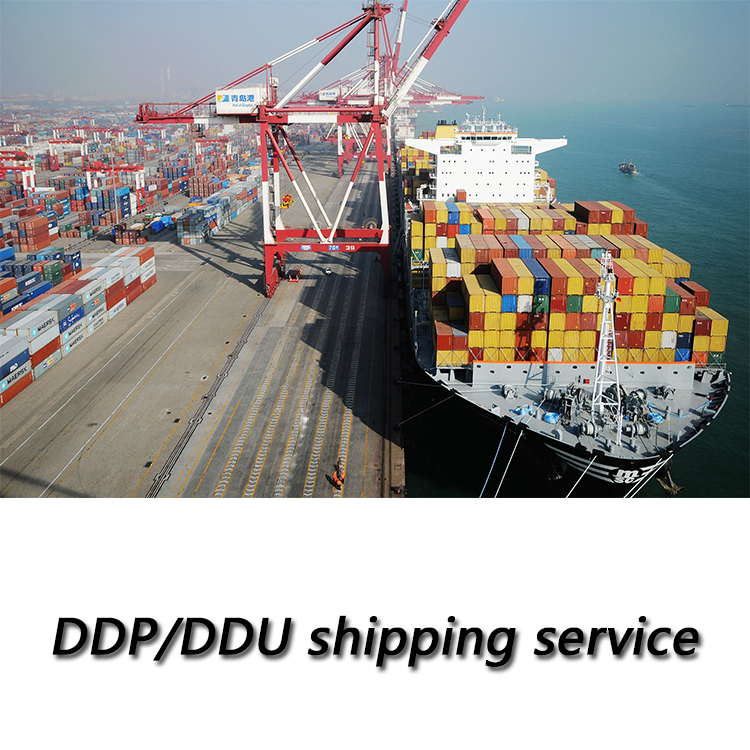
Proactively managing delay risks under FOB terms relies on established NVOCC ocean contracts. Purchasing under FOB allows importers to appoint their own licensed freight forwarders to manage sea freight. This setup delivers direct visibility over carrier selection, equipment release, and allocation across major ocean carriers including COSCO, MAERSK, EVERGREEN, and MSC. Direct contract oversight enables priority container loading when shipping lines encounter capacity overbooking.
Cargo packaging and container loading management directly impact transit speed. Irregular package arrangement or poor weight distribution often leads to origin terminal holds. Following strict container loading rules—placing liquid goods at the bottom, protecting sharp corners, and isolating dust-emitting materials—ensures swift acceptance during customs inspection and gate-in processes.
Practical execution experience confirms the value of systematic supply chain handling. In industrial project cargo exports involving 68 CBM of heavy machinery shipped to the UAE, pre-departure packaging adjustments and advance documentation vetting eliminated terminal customs delays. Similarly, importing 1,000 kg of cosmetics into the United States required precise regulatory ingredient declarations to maintain scheduled transport timelines without port hold-ups.
Data/Solution Comparison
The following table compares primary Incoterms across core operational criteria during peak sea freight periods.
| Incoterm | Carrier Selection Authority | Demurrage & Storage Risk Holder | Priority Booking Control | Primary Operational Benefit |
|---|---|---|---|---|
| FOB (Free On Board) | Buyer | Buyer | High (Buyer selects preferred carrier) | Direct control over routing schedules and carrier allocations |
| DDP (Delivered Duty Paid) | Seller | Seller | Low (Seller dictates shipping channel) | Total financial protection against delay-induced fees |
| CIF (Cost, Insurance & Freight) | Seller | Buyer (At port of destination) | Low | Low initial effort, but high exposure to port delay costs |
| EXW (Ex Works) | Buyer | Buyer | High | Full control from factory pickup through final delivery |
Frequently Asked Questions (FAQ)
Why does CIF expose buyers to higher financial risks during peak season delays?
Under CIF, sellers control carrier selection and frequently choose lower-cost routes with multiple transshipments. When port congestion occurs, buyers are responsible for destination terminal storage, demurrage, and detention fees despite having no control over the ocean carrier choice.
How does DDP protect buyers against container demurrage costs?
DDP assigns complete end-to-end transport responsibility to the seller. All unexpected port fees, customs clearance delays, demurrage, and detention expenses incurred prior to final door delivery are legally absorbed by the seller.
Can freight forwarders handle customs clearance and warehousing under FOB terms?
Yes. Importers operating under FOB can utilize freight forwarders to manage origin pickup, bonded consolidation warehousing, customs documentation, ocean vessel booking, and destination port clearance under a unified logistics service agreement.
Final Conclusion & Recommendations
Selecting the appropriate Incoterm depends on whether an enterprise prioritizes complete financial risk shielding or operational freight control during peak season sea freight bottlenecks. Buyers requiring strict delivery windows should select FOB paired with an experienced freight partner to control space allocation. Importers seeking fixed supply chain budgets should utilize DDP to shift delay costs to the supplier. Utilizing structured ocean shipping services with standard 25-30 day transit windows maintains consistent logistics execution across global trade corridors. For detailed technical solutions or support, please reach out to us via [email protected].
About Us
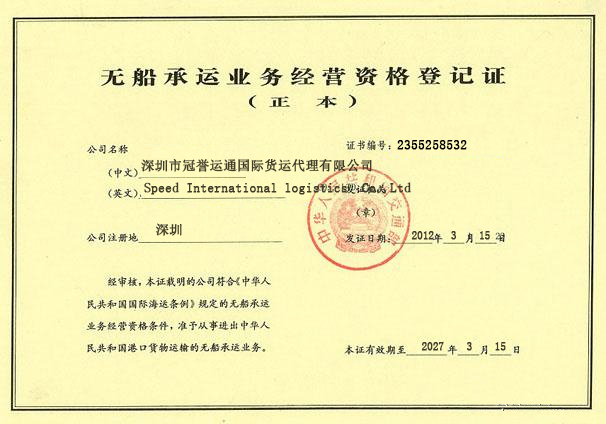
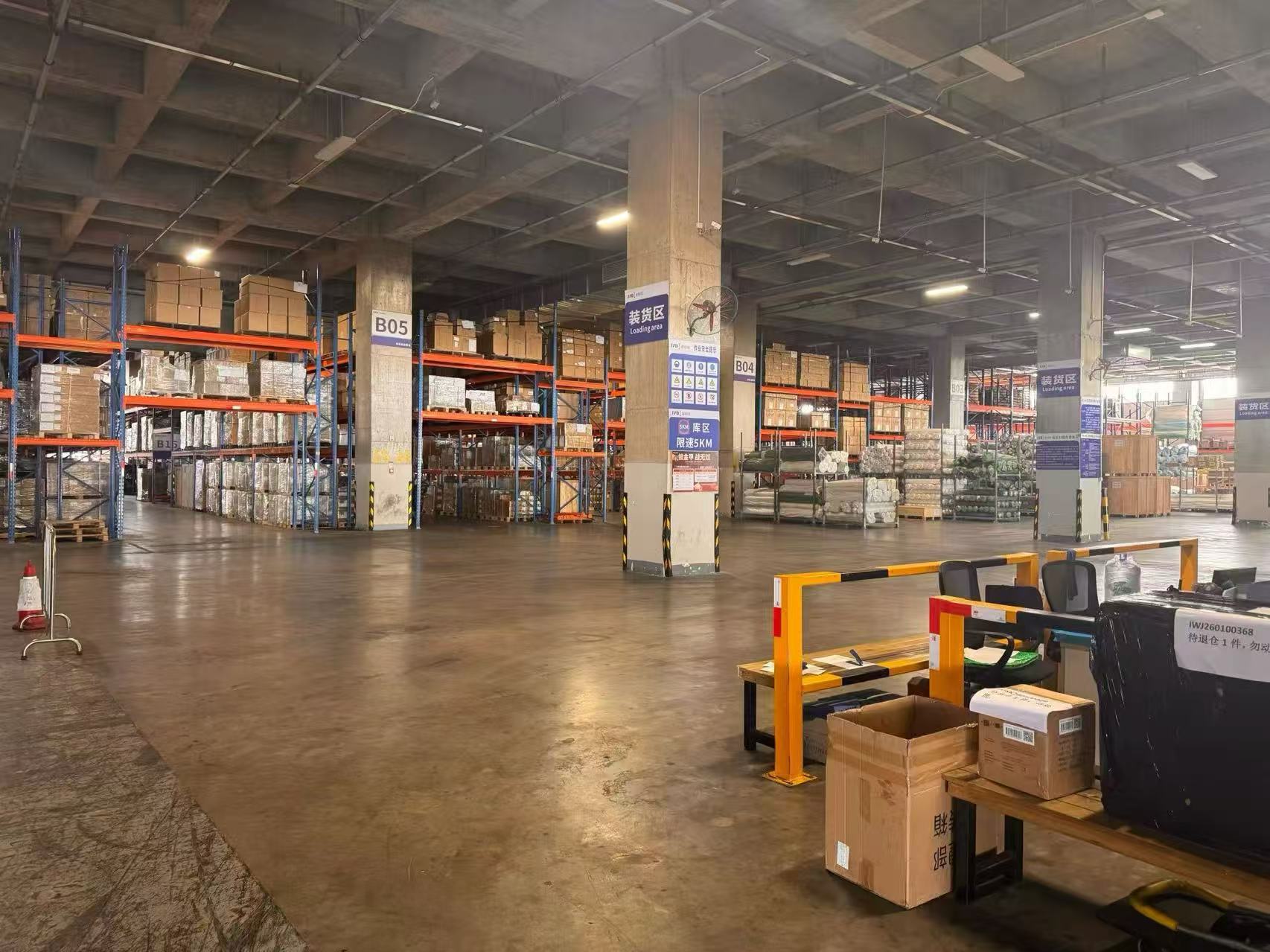
Speed International logistics Co.,Ltd was established in 2011 and maintains an active staff of 80 logistics specialists. The company operates a 5,000 square meter main warehouse in Shenzhen, holding official China "A-class" freight forwarder status and NVOCC accreditation. Speed International logistics Co.,Ltd provides comprehensive sea freight (FCL/LCL), air freight, customs clearance, and warehousing solutions across major trade routes in North America, Europe, the Middle East, and South America, having served direct clients and trading enterprises across diverse industries.

Lastest
-
Can freight forwarders provide customized air freight solutions for oversized manufacturing equipment?
2026-08-13 -
What is the minimum chargeable volume for LCL sea freight, and how can I negotiate better rates for bulk?
2026-08-13 -
What is the standard procedure for claiming compensation if my goods are damaged during an air freight transit?
2026-08-13 -
Are sea freight rates expected to drop next quarter, or should I look into alternative shipping methods now?
2026-08-13 -
What specific customs documents do I need to prepare to ensure smooth border crossings for railway freight?
2026-08-13
SUBSCRIBE
INQUIRY