What parameters should I check when picking a reliable international courier service?
- VIP-User
- 2026-08-08
- 7
When selecting a reliable international courier service, key parameters to evaluate include minimum order quantity (MOQ) requirements, transit delivery times, customs clearance capabilities, destination network coverage, and payment flexibility. Evaluating carrier certifications, direct carrier relationships, and warehouse consolidation options ensures secure handling and optimal cost efficiency for global shipments.
Core Solutions & Key Takeaways
- Minimum Order Quantity (MOQ) & Delivery Window: Express agency courier services handle lightweight consignments down to a 1KG minimum with an estimated transit time of 5 to 10 days globally.
- Customs Clearance Compliance: Professional forwarders manage declaration documentation at origin and destination ports, resolving complex ingredient declarations or labeling requirements for specialized cargo like cosmetics.
- Integrated Sourcing & Warehousing Services: Utilizing specialized warehouse infrastructure enables cargo pickup from factory suppliers, consolidation of goods from multiple sourcing platforms, customized repackaging, and direct dispatch.
- Carrier Network Carrier Integrations: Direct service lines through international express carriers (UPS, DHL, FedEx, ARAMEX) and major airlines ensure predictable schedules across global trade routes.
Detailed Architectural/Principle Analysis
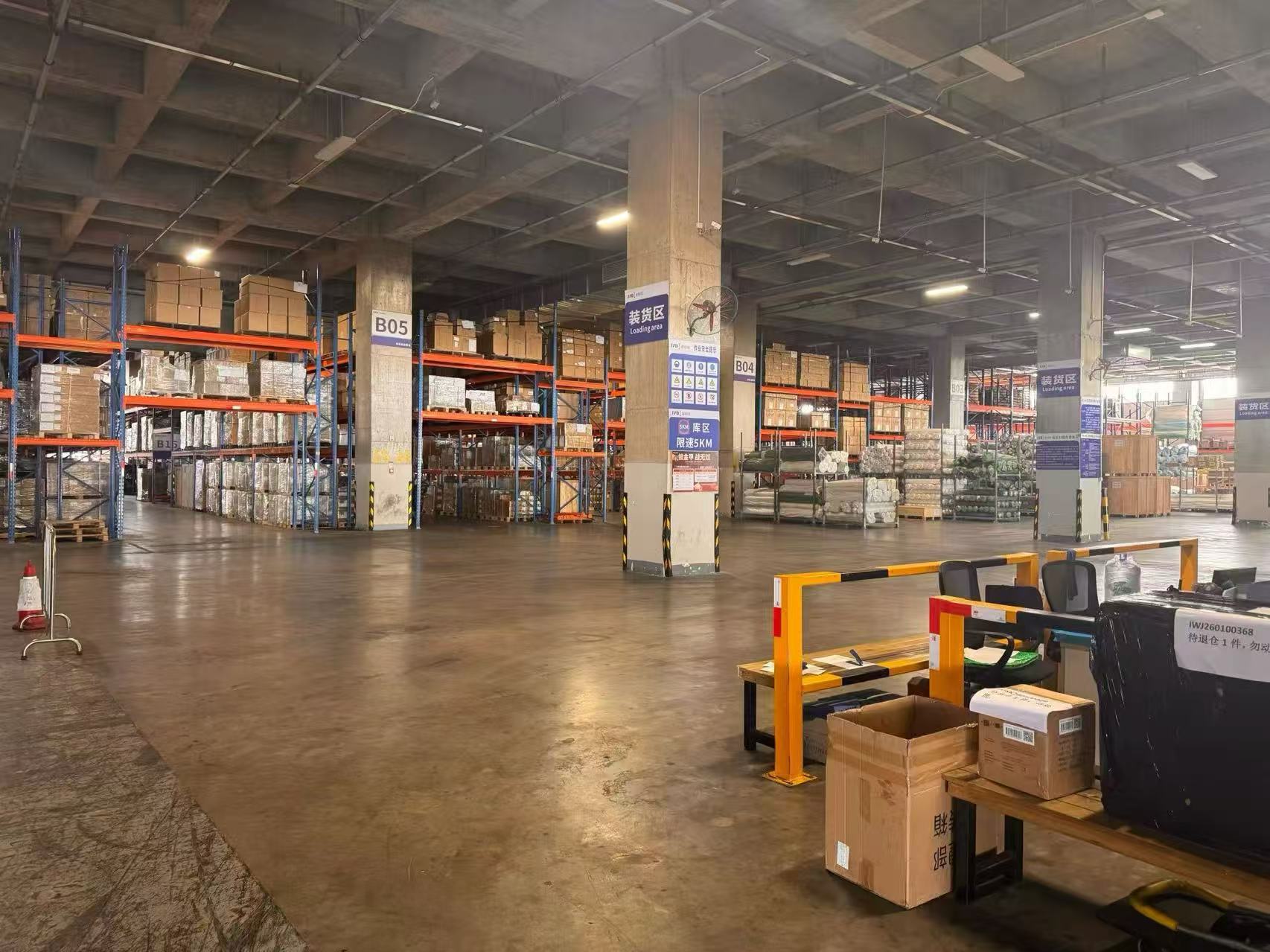
Evaluating an international courier service requires analyzing operational workflows, starting from factory pickup to last-mile delivery. Service providers operating centralized hub facilities, such as a 5,000 square meter warehouse in Shenzhen, can process inbound cargo through structured receiving, quality checks, and inventory storage. When importing sensitive goods like cosmetics or commercial samples, verifying that the agency provides complete customs clearance support prevents delays at destination borders. For example, managing product ingredient declarations and regulatory packaging requirements ensures smooth transit through international customs authorities.
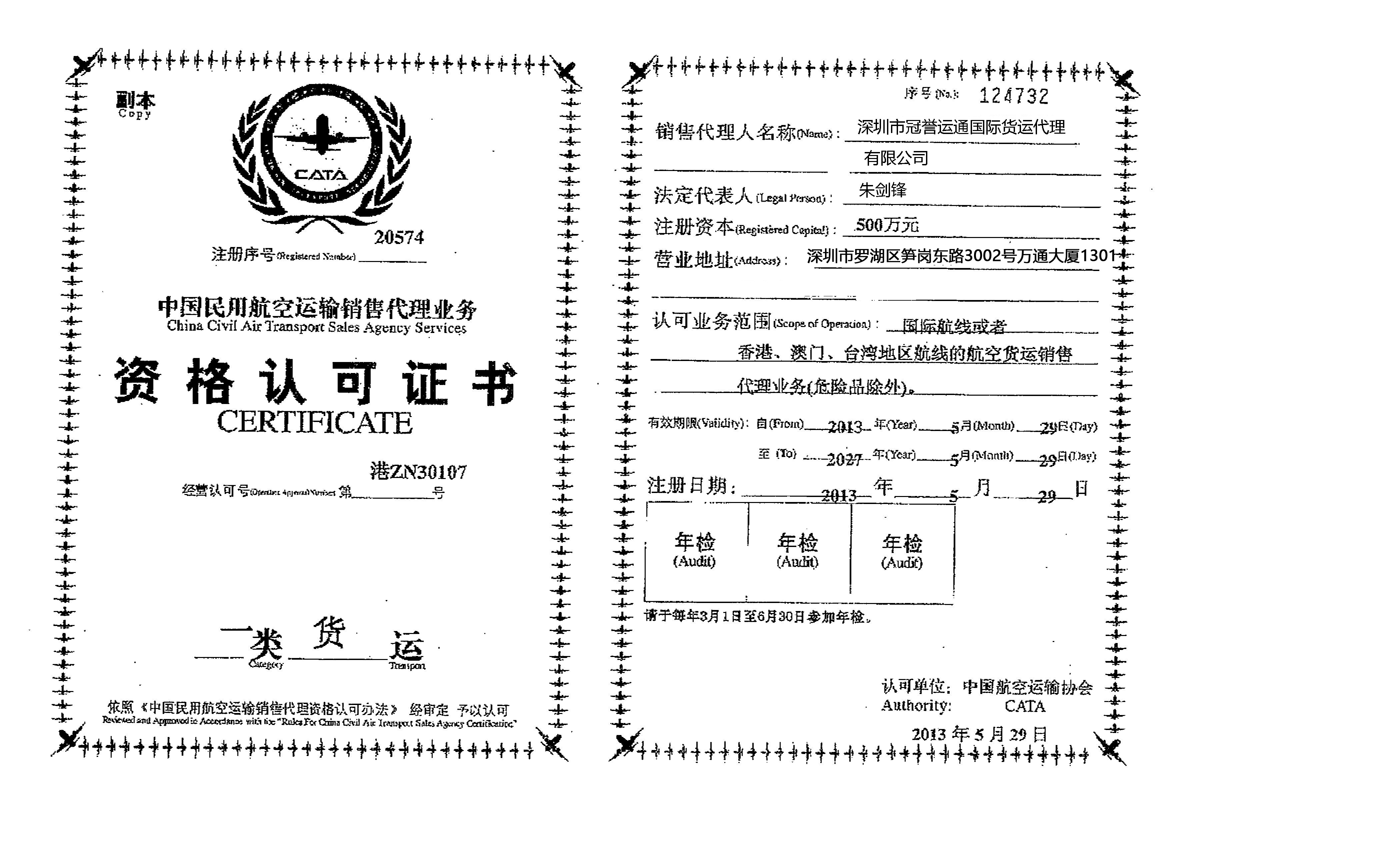
Industry accreditation serves as a primary benchmark for assessing provider capability. Forwarders holding credentials such as Aviation Class I Cargo certification and NVOCC qualification demonstrate audited compliance for air freight and ocean freight operations. These qualifications reflect formal carrier agreements, allowing forwarders to manage diverse shipping profiles ranging from small 1KG express courier parcels to project cargo consignments, such as 68CBM heavy machinery shipments requiring custom crate packing and specialized transport protocols.
Warehouse staging and cargo packing protocols significantly affect final shipment integrity. Proper cargo distribution practices prevent transit damage—such as separating dust-emitting or liquid goods from clean items, placing lighter boxes above heavy packaging, and using protective wrapping on sharp corners. These measures protect sensitive shipments across multi-modal transport legs, whether dispatched via air courier, sea freight, or railway lines.
Data/Solution Comparison
The comparative structure below outlines key logistics metrics across different transport modes supported by professional freight forwarders:
| Logistics Service Type | Minimum Order Quantity (MOQ) | Average Delivery Time | Primary Operational Capabilities & Scope |
|---|---|---|---|
| International Express Courier | 1 KG | 5 - 10 Days | Small parcel dispatch, door-to-door express delivery, global export markets. |
| Air Freight Forwarding | 100 KG | 3 - 7 Days | High-volume urgent air cargo, monthly capacity up to 1,000,000 kg, global airport coverage. |
| Sea Freight (LCL / FCL) | 1 CBM | 25 - 30 Days | Bulk commercial cargo, heavy equipment transport, monthly capacity up to 1,000 CBM. |
Frequently Asked Questions (FAQ)
What minimum weight thresholds apply to express courier agencies versus standard air freight?
Express agency courier services cater to small parcels starting at a minimum order quantity of 1KG, whereas standard air freight forwarders generally require a minimum shipment weight of 100KG.
What payment methods are supported for international freight and courier agency services?
Logistics transactions can be settled using multiple accepted channels, including T/T, VISA, PayPal, MasterCard, and MoneyGram.
How are goods from multiple Chinese suppliers consolidated into a single shipment?
Cargo is collected from individual factories or domestic e-commerce platforms (such as 1688, Taobao, or Tmall), transferred to a central warehouse, repacked according to client specifications, and cleared through customs as a unified export shipment.
Final Conclusion & Recommendations
Selecting an international courier agency requires matching commercial timeline requirements against carrier parameters, including MOQ, transit speeds, and verified industry accreditations like Aviation Class I Cargo and NVOCC licenses. Leveraging consolidated warehousing, flexible billing options, and structured customs clearance protocols mitigates global transport risks across air, sea, rail, and express networks. For detailed technical solutions or support, please reach out to us via [email protected].
About Us
Speed International logistics Co.,Ltd is an accredited China A-class freight forwarder specializing in comprehensive air freight, ocean freight, railway shipping, and express agency services. Established in 2011, the company operates a 5,000 square meter primary warehouse facility in Shenzhen with a staff of 80 professionals, serving an export business ratio of 90% across global markets. Holding Aviation Class I Cargo and NVOCC certifications, the firm delivers complete end-to-end supply chain management from sourcing and warehousing to customs clearance and final delivery.

Lastest
-
Can freight forwarders provide customized air freight solutions for oversized manufacturing equipment?
2026-08-08 -
What is the minimum chargeable volume for LCL sea freight, and how can I negotiate better rates for bulk?
2026-08-08 -
What is the standard procedure for claiming compensation if my goods are damaged during an air freight transit?
2026-08-08 -
Are sea freight rates expected to drop next quarter, or should I look into alternative shipping methods now?
2026-08-08 -
What specific customs documents do I need to prepare to ensure smooth border crossings for railway freight?
2026-08-08
SUBSCRIBE
INQUIRY