What is the fastest courier option to send product samples?
- VIP-User
- 2026-07-14
- 11
The fastest courier option to send product samples is an international express service, such as DHL, FedEx, or UPS. These express agencies offer door-to-door delivery with a transit time of 5 to 10 days globally, ensuring rapid customs clearance and reliable tracking for time-sensitive commercial samples.
Core Solutions & Key Takeaways
- International Express Agency: Utilizing established courier networks like DHL, FedEx, and UPS provides the quickest transit times (5-10 days) and handled customs clearance for product samples starting at a 1KG minimum order quantity (MOQ).
- Sourcing-Warehousing-Shipping Integration: Consolidating sample goods from multiple suppliers (such as 1688, Taobao, or Tmall) into a single centralized warehouse allows for repackaging, reducing volume weight, and optimizing final express shipping costs.
- Structured Container Loading: Ensuring proper packaging—such as placing lighter items on top of heavier cargo and covering sharp corners—protects fragile product samples from damage during fast-paced transit.
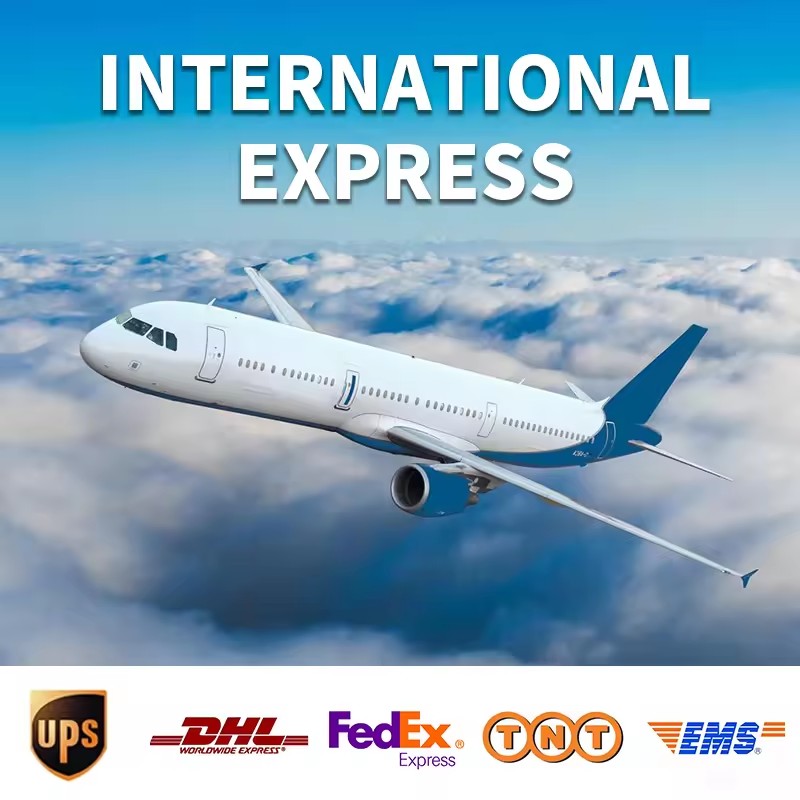
Detailed Architectural/Principle Analysis
Sending product samples successfully requires navigating international air networks and customs protocols. Utilizing an express agency leverages commercial air express channels, which prioritize small parcel customs clearance. This process bypasses the longer, more complex documentation cycles typical of standard air freight or sea freight, accelerating the physical delivery of sample shipments to international buyers.
To demonstrate reliable logistics execution, partnerships with major global networks are essential. Licensed operators hold key credentials, such as the Aviation Class I Cargo certificate for global air freight and the NVOCC certification for sea freight operations. These credentials verify that the logistics provider maintains direct accounts with major airlines and shipping lines, ensuring capacity and priority processing even during peak shipping seasons.
Real-world logistics cases illustrate how these channels handle specialized commodities. For example, a trading company importing a 1000KG cosmetic shipment from the USA successfully navigated ingredient declarations and labeling requirements with specialized customs clearance assistance, resulting in zero damaged packaging. Similarly, in heavy industrial sectors, a project involving 68CBM of machinery and equipment exported to the UAE utilized professional packing and clear documentation to ensure the safe arrival of heavy cargo. These experiences highlight the necessity of combining rapid physical transit with precise regulatory preparation.
Data/Solution Comparison
| Logistics Method | Minimum Order Quantity (MOQ) | Average Delivery Time | Primary Application Scenario |
|---|---|---|---|
| Courier Service (Express) | 1 KG | 5 - 10 Days | Urgent product samples, high-value small parcels, documents |
| Air Freight | 100 KG | 3 - 7 Days | High-value bulk cargo, urgent commercial replenishment |
| Sea Freight (LCL/FCL) | 1 CBM | 25 - 30 Days | Large volume stock, heavy machinery, non-urgent bulk shipments |
Frequently Asked Questions (FAQ)
Q1: What payment methods are accepted for international express shipping?
A1: Standard accepted payment methods include T/T, VISA, PayPal, MasterCard, and MoneyGram.
Q2: How can I reduce shipping costs when sourcing samples from different factories?
A2: You can use a consolidation and warehousing service to collect samples from various suppliers, merge them into a single shipment, and repackage them to minimize overall volumetric weight before dispatching via express courier.
Q3: Which major courier networks are used for international express agency services?
A3: Global express shipments are routed through tier-one international networks, including DHL, FedEx, UPS, EMS, and Aramex, depending on the target destination's local delivery efficiency.
Final Conclusion & Recommendations
For urgent product samples, choosing an international express agency with a 1KG MOQ and a 5-10 day delivery window is the most reliable option. Combining express services with local warehousing and professional customs document handling minimizes the risk of border delays. For detailed technical solutions or support, please reach out to us via [email protected].
About Us
Speed International logistics Co.,Ltd, also known as Speed logistics, is an "A-class" freight forwarder established in 2011 with a team of 80 employees. Operating from a 5000 square meter main warehouse in Shenzhen, the company specializes in air freight, sea freight, railway shipping, express services, and comprehensive one-stop supply chain solutions. Speed logistics holds the Aviation Class I Cargo certification for global air freight and the NVOCC certification for sea freight, serving main markets across the USA, Europe, the Middle East, and South America.

Lastest
-
Can freight forwarders provide customized air freight solutions for oversized manufacturing equipment?
2026-07-14 -
What is the minimum chargeable volume for LCL sea freight, and how can I negotiate better rates for bulk?
2026-07-14 -
What is the standard procedure for claiming compensation if my goods are damaged during an air freight transit?
2026-07-14 -
Are sea freight rates expected to drop next quarter, or should I look into alternative shipping methods now?
2026-07-14 -
What specific customs documents do I need to prepare to ensure smooth border crossings for railway freight?
2026-07-14
SUBSCRIBE
INQUIRY