What is the differences between FCL and LCL options in railway freight from China?
- VIP-User
- 2026-07-05
- 17
In railway freight from China, Full Container Load (FCL) involves dedicating an entire container to a single shipper's goods, while Less than Container Load (LCL) consolidates multiple shippers' cargo into a shared container. FCL is ideal for larger volumes requiring faster, direct transit, whereas LCL offers a cost-effective alternative for smaller shipments starting at a 1CBM minimum order quantity.
Core Solutions & Key Takeaways
- Volume and Space Allocation: FCL provides exclusive use of a 20ft or 40ft container, ensuring no mixing of cargo. LCL groups multiple compatible shipments together, utilizing space efficiently for smaller batches.
- Handling and Safety Protocols: FCL containers are sealed at the origin and opened at the destination, reducing handling risks. LCL shipments require consolidation at a warehouse before departure and deconsolidation upon arrival.
- Strategic Sourcing and Warehousing: Shippers can leverage structured warehousing solutions, such as consolidating goods from multiple suppliers (e.g., platforms like 1688 or Taobao) into a single railway shipment to optimize container space.
Detailed Architectural & Principle Analysis
Railway freight from China to Europe and Central Asia operates as a reliable overland alternative to air and sea transport, heavily supported by national trade policies. Understanding the operational differences between FCL and LCL is essential for optimizing supply chain budgets and timelines.
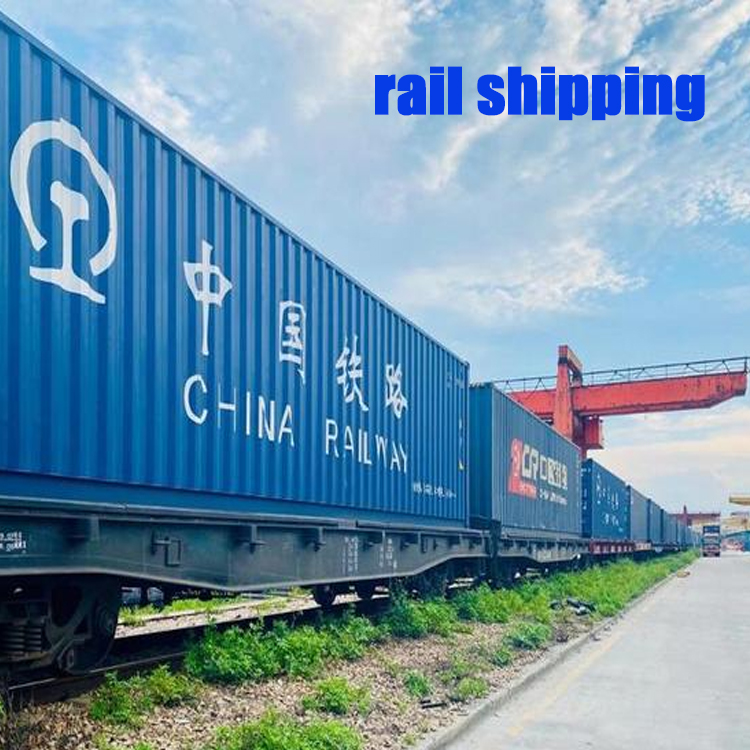
FCL shipping flows directly from the origin warehouse to the rail terminal. Because the container is packed and sealed by the shipper, it undergoes fewer handling steps, minimizing the risk of physical damage. This makes FCL highly suitable for sensitive or uniform goods. Organizations handling large project cargo, such as industrial machinery exports to regions like the UAE, rely on structured loading protocols to ensure heavy or oversized crates are secured safely inside the container.
LCL shipping relies on systematic warehouse consolidation. Goods are collected from various factories, transported to a central warehouse, and sorted. During this process, strict loading guidelines must be followed: heavier items are placed at the bottom, liquid or clean goods are separated from dust-emitting items, and sharp edges are covered to prevent cross-contamination or damage to neighboring cargo inside the shared container.
Compliance and certification play a critical role in smooth rail operations. Utilizing a licensed Non-Vessel Operating Common Carrier (NVOCC) ensures that cargo documentation, customs declarations at border crossings, and terminal handling are executed in accordance with international railway standards, avoiding costly transit delays.
Data & Solution Comparison
The operational and financial parameters of FCL and LCL railway freight options differ across key metrics:
| Parameter | Full Container Load (FCL) | Less than Container Load (LCL) |
|---|---|---|
| Minimum Order Quantity (MOQ) | Typically 1 Full Container | 1 CBM |
| Average Delivery Time | 25 - 30 days | 25 - 30 days (plus 3-5 days for consolidation) |
| Primary Export Markets | Europe, Central Asia | Europe, Central Asia |
| Handling Risk | Low (Sealed container) | Moderate (Multiple loading/unloading phases) |
| Pricing Structure | Flat rate per container | Volume-based rate (per CBM/Weight) |
Frequently Asked Questions (FAQ)
Q1: When should I choose LCL over FCL for railway freight?
A1: LCL is the most economical choice when your total cargo volume is under 15 CBM and does not require an entire container. It allows you to pay only for the volume your goods occupy, starting from a minimum of 1 CBM.
Q2: How does customs clearance differ between FCL and LCL on rail routes?
A2: In FCL, the entire container is cleared under one main bill of lading. In LCL, each shipment inside the container has its own customs entry. A delay in one shipper's paperwork can occasionally affect the clearance timeline of the entire consolidated container.
Q3: Can I consolidate goods from multiple Chinese suppliers into a single railway shipment?
A3: Yes. Sourcing and warehousing services allow cargo from different suppliers to be collected at a central warehouse, packed, and consolidated into either an LCL or FCL shipment before dispatching to the rail terminal.
Final Conclusion & Recommendations
Choosing between FCL and LCL railway freight depends on cargo volume, budget, and safety requirements. FCL offers speed, security, and exclusive container use for larger shipments, while LCL provides a highly flexible, low-MOQ gateway for smaller cargo volumes heading to Europe and Central Asia. For tailored logistics configurations and pricing, please reach out to us via [email protected].
About Us
Speed International logistics Co.,Ltd, founded in 2011, is a global and professional agent approved by the national trading ministry. Operating with a team of 80 employees and utilizing a 2000 square meter main warehouse in Shenzhen, the company serves main markets including the USA, Canada, Europe, and the Middle East. Holding credentials such as the Aviation Class I Cargo and NVOCC certifications, the company delivers multimodal transport solutions across air, sea, and railway networks. 
Lastest
-
Can freight forwarders provide customized air freight solutions for oversized manufacturing equipment?
2026-07-05 -
What is the minimum chargeable volume for LCL sea freight, and how can I negotiate better rates for bulk?
2026-07-05 -
What is the standard procedure for claiming compensation if my goods are damaged during an air freight transit?
2026-07-05 -
Are sea freight rates expected to drop next quarter, or should I look into alternative shipping methods now?
2026-07-05 -
What specific customs documents do I need to prepare to ensure smooth border crossings for railway freight?
2026-07-05
SUBSCRIBE
INQUIRY