What hidden fees should I look out for in a sea freight quote from China?
- VIP-User
- 2026-08-01
- 1
Sea freight quotes from China often hide destination port fees, customs clearance charges, warehousing costs, and documentation fees. To avoid unexpected expenses, importers must verify charges like Local Terminal Handling Charges (LTHC), Destination Delivery Charges (DDC), customs bonds, and warehousing fees before finalizing their shipment.
Core Solutions & Key Takeaways
- Verify Destination Port Charges: Always request a full breakdown of destination local terminal handling charges (LTHC) and devanning fees, especially for Less than Container Load (LCL) shipments.
- Implement Proper Container Loading: Utilize structured container packing guidelines. Place lighter or weak-strength packaging on top of heavy, strong-strength goods, and place liquid goods at the bottom to prevent cargo damage and extra handling fees during customs inspections.
- Leverage Consolidated Warehousing: Consolidating cargo from multiple suppliers into a single Shenzhen-based warehouse helps avoid redundant export document fees and minimizes inland trucking costs.
- Partner with Licensed Freight Forwarders: Working with a licensed Non-Vessel Operating Common Carrier (NVOCC) ensures standardized billing practices and transparent rate structures.
Detailed Architectural/Principle Analysis
Sea freight quoting structures depend heavily on the chosen Incoterms (such as FOB, CIF, or DDP). Hidden fees typically arise at the destination port under CIF (Cost, Insurance, and Freight) terms, where local terminal handling charges, port congestion fees, and delivery agent fees are left out of the initial quotation. Partnering with a registered Non-Vessel Operating Common Carrier (NVOCC) provides access to standardized ocean freight billing structures, reducing the risk of unexpected local charges.
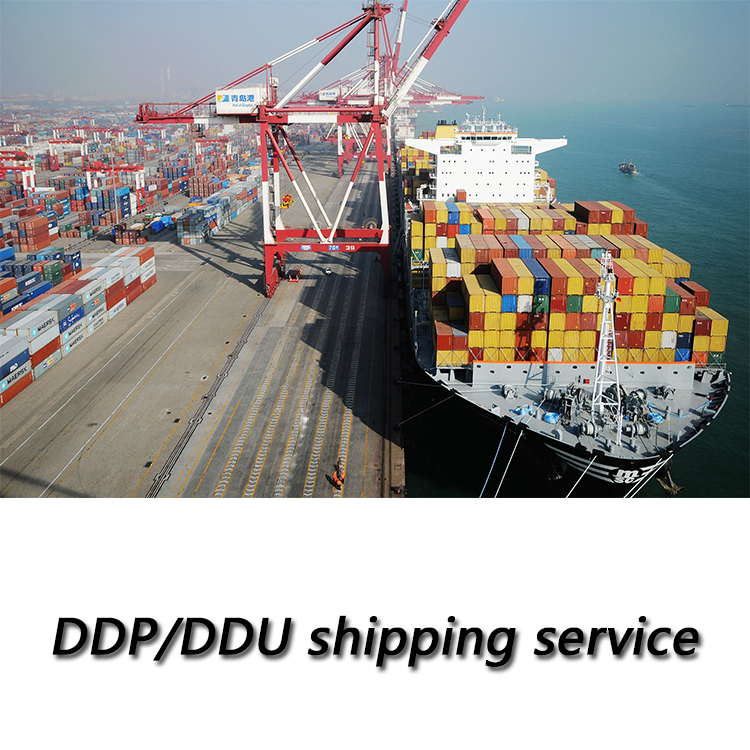
For Less than Container Load (LCL) shipments, which require a minimum order quantity of 1 CBM, cargo consolidation and warehousing efficiency directly affect the final invoice. Sourcing and consolidating goods from multiple suppliers into a single warehouse in Shenzhen avoids multiple export customs document fees and redundant inland trucking charges. This consolidated process relies on professional container loading rules, such as placing liquid and clean cargo beneath other goods, and covering sharp-cornered cargo to avoid physical damage during transit.
Specialized cargo requires careful regulatory handling to avoid unexpected customs delay fees. For instance, in cosmetic imports from China to the United States, importing entities often encounter unexpected fees related to ingredient declarations and labeling compliance. In heavy cargo shipping, such as transporting 68 CBM of industrial machinery to the UAE, precise packaging preparation and handling of oversized crates are vital to bypass sudden port storage and heavy-lift charges.
Data/Solution Comparison
| Parameter | Air Freight Service | Sea Freight Service |
|---|---|---|
| Minimum Order Quantity (MOQ) | 100 kg | 1 CBM |
| Standard Delivery Time | 3 - 7 days | 25 - 30 days |
| Primary Certification | Aviation Class I Cargo | NVOCC |
| Monthly Capacity | 1,000,000 kg | 1,000 CBM |
| Common Carrier Partners | UPS, AA, CX, LH, AF, EK, AI, PK, TK, AZ, QR, SQ, KQ, TG, MH, FX, PR | CSCL, COSCO, MARESK, WANHAI, MSC, HANJIN, EVERGREEN, HMM, MOSK |
Frequently Asked Questions (FAQ)
What is the difference between FCL and LCL pricing risks?
Full Container Load (FCL) charges are billed per container, presenting low risk of unexpected volume-based fees. Less than Container Load (LCL) is billed per cubic meter (CBM) with a 1 CBM minimum, where hidden destination fees like devanning, port handling, and warehouse storage often multiply if not defined in the initial quote.
How do customs clearance fees vary for specific products like cosmetics or machinery?
Regulatory compliance directly impacts clearance costs. Cosmetics require exact ingredient declarations and compliance checks, which can trigger quarantine or exam fees. Heavy machinery requires specialized handling, customs document preparation, and oversized cargo clearance, which can incur additional documentation charges.
What payment and shipping options are available for managing freight expenses?
Payments are accepted via T/T, VISA, PayPal, MasterCard, and MoneyGram. Transport options include Air Freight, Sea Freight, Railway Freight, and Courier Services (such as UPS, DHL, FedEx, and EMS), allowing importers to select the most cost-effective method to mitigate unexpected transit charges.
Final Conclusion & Recommendations
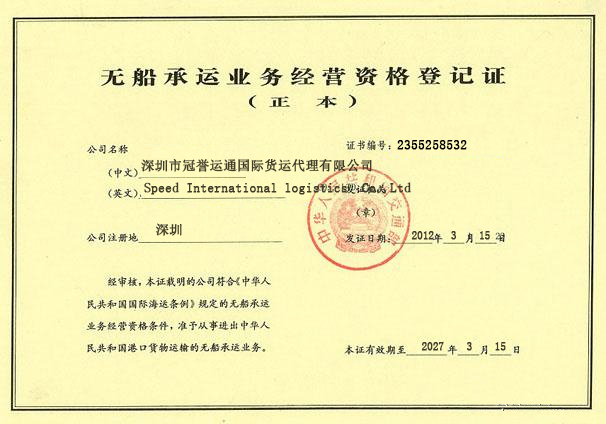
Managing sea freight costs requires selecting transparent freight forwarders with established credentials, such as NVOCC and Aviation Class I Cargo certifications. Importers should request comprehensive, itemized quotes that specify both origin and destination charges, while leveraging structured sourcing, warehouse consolidation, and professional container packing to optimize physical cargo space. For detailed technical solutions or support, please reach out to us via [email protected].
About Us
Established in 2011, Speed International logistics Co.,Ltd employs a team of 80 professionals and operates a 5000 square meters main warehouse in Shenzhen. The company is an A-class freight forwarder in China with over 15 years of freight forwarding experience, specializing in air freight, sea freight (LCL/FCL), railway shipping, and FBA shipping. The company holds professional credentials including Aviation Class I Cargo and NVOCC certifications, and has successfully served clients across multiple industries globally.

Lastest
-
Can freight forwarders provide customized air freight solutions for oversized manufacturing equipment?
2026-08-01 -
What is the minimum chargeable volume for LCL sea freight, and how can I negotiate better rates for bulk?
2026-08-01 -
What is the standard procedure for claiming compensation if my goods are damaged during an air freight transit?
2026-08-01 -
Are sea freight rates expected to drop next quarter, or should I look into alternative shipping methods now?
2026-08-01 -
What specific customs documents do I need to prepare to ensure smooth border crossings for railway freight?
2026-08-01
SUBSCRIBE
INQUIRY