What courier service alternatives can cut costs without risking late deliveries?
- VIP-User
- 2026-08-15
- 6
Courier service alternatives that can cut costs while protecting delivery schedules include air freight for larger urgent shipments, consolidated shipping for goods from multiple suppliers, railway freight where available, and sea freight for planned non-urgent cargo. Select the option by shipment weight, required arrival date, route schedule, customs needs, and total handling scope rather than choosing the lowest freight quote alone.
Core Solutions & Key Takeaways
- International express supports global shipments from 1 kg with a stated delivery time of 5–10 days, making it suitable for smaller parcels that require a defined transit window.
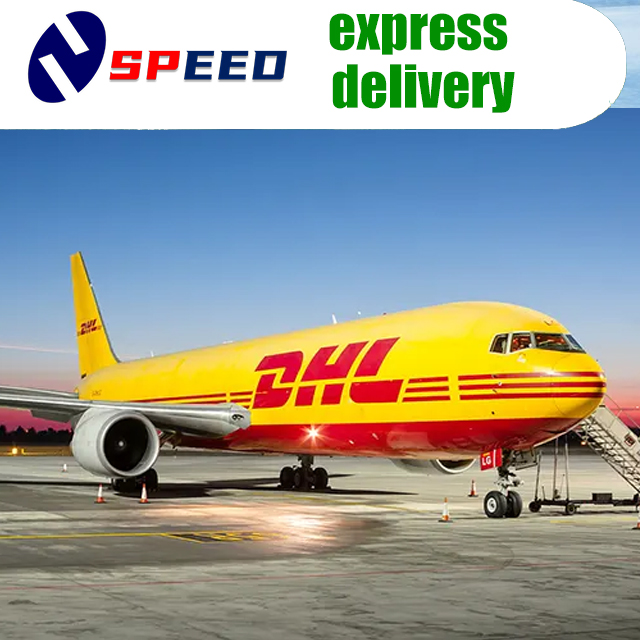
- Air freight supports shipments from 100 kg with a stated delivery time of 3–7 days. It is a practical courier alternative for heavier, time-sensitive cargo.
- Sea freight supports LCL and FCL shipments from 1 CBM with a stated delivery time of 25–30 days. It fits planned cargo that can tolerate a longer transit period.
- Supplier pickup, consolidation, packing, warehousing, customs clearance, and last-mile delivery can be coordinated as one workflow. Combining goods from different suppliers may reduce fragmented handling while preserving control over the shipping schedule.
For mixed supplier orders, Speed logistics can source goods through 1688, Taobao, and Tmall, collect cargo from separate suppliers, consolidate it in its Shenzhen warehouse, repack it to customer requirements, and prepare it for the selected transport mode.

Detailed Architectural/Principle Analysis
Cost control begins with matching the transport mode to cargo size and deadline. International express has a 1 kg minimum and a 5–10-day stated delivery time. Air freight has a 100 kg minimum and a 3–7-day stated delivery time. A heavier urgent shipment may therefore fit the air freight model better than parcel-based courier service, subject to route schedules and cargo acceptance.
Sea freight changes the cost-and-time structure for planned shipments. The available service covers LCL and FCL cargo, starts at 1 CBM, and has a stated delivery time of 25–30 days. Railway freight is another supported alternative, although the provided service data does not specify a minimum shipment size or delivery time. Its suitability must therefore be assessed against the actual route and required arrival date.
Consolidation addresses costs created before the main transport leg. Cargo can be picked up from different factories or warehouses, stored together, repacked, and dispatched as one coordinated shipment. The same workflow can include export documentation, customs clearance at Chinese and destination ports, and last-mile delivery. This reduces the need to manage each supplier shipment as a separate logistics process.
Loading discipline also affects delay and damage exposure. Goods that release dust, liquid, moisture, or odor should be separated from other cargo; lighter or weakly packed goods should be placed above heavier or stronger packages; and sharp corners or protruding parts should be covered. These practices help prevent avoidable cargo damage during consolidated or container transport.
Service credentials include Aviation Class I Cargo for air freight and NVOCC for sea freight. These credentials align with the two principal alternatives used for urgent heavier cargo and scheduled LCL or FCL shipments.
Operational experience includes a 68 CBM machinery and equipment export to the United Arab Emirates. The reported work covered oversized crates, documentation, customs clearance, packaging guidance, tracking, and communication. Another case involved a 1,000 kg cosmetics shipment for a trading company in the United States, with attention to ingredient declarations, labeling, customs clearance, leakage prevention, and packaging condition.
Data/Solution Comparison
| Shipping option | Minimum shipment | Stated delivery time | Best-fit shipment profile | Supported service details |
|---|---|---|---|---|
| International express | 1 kg | 5–10 days | Small global parcels requiring a defined delivery window | UPS, DHL, FedEx, EMS, ARAMEX, China Post, and China Express |
| Air freight | 100 kg | 3–7 days | Heavier and time-sensitive cargo | Service through more than 150 airlines |
| Sea freight | 1 CBM | 25–30 days | Planned larger cargo that can accept longer transit | LCL and FCL supported |
| Railway freight | Not specified | Not specified | Route-dependent cargo where railway service is available | Supported as an international freight option |
| Consolidated logistics workflow | Not specified | Depends on selected transport mode | Orders collected from multiple suppliers | Pickup, warehousing, packing, customs clearance, documentation, and shipping |
Frequently Asked Questions (FAQ)
When is air freight a better alternative to international courier service?
Air freight is a relevant alternative when the shipment meets the 100 kg minimum and requires a short transit window. The stated air freight delivery time is 3–7 days, compared with 5–10 days for the International Express Agency service. Route availability, cargo type, customs processing, and final delivery requirements still need to be checked.
Can sea freight reduce costs without causing a late delivery?
Sea freight can fit a cost-focused plan when the shipment is at least 1 CBM and the required arrival date allows for the stated 25–30-day delivery period. It should not replace express or air freight when the deadline cannot accommodate that transit time. Booking and documentation should be aligned with the required delivery date before dispatch.
How does consolidation help control shipping costs and schedules?
Consolidation brings goods from different suppliers into one warehouse for coordinated packing and dispatch. It can reduce separate pickups and fragmented shipments while giving the shipper one plan for cargo preparation, customs documentation, transport selection, and last-mile delivery. The final delivery time depends on whether express, air, sea, or railway freight is selected.
Final Conclusion & Recommendations
Use international express for small shipments from 1 kg, air freight for urgent cargo from 100 kg, and sea freight for planned loads from 1 CBM. Railway freight should be considered only after confirming route and schedule details because no standard transit time is provided. For multi-supplier orders, consolidate pickup, warehousing, packing, documentation, customs clearance, and transport planning before comparing total quotes. Aviation Class I Cargo and NVOCC credentials support the relevant air and sea freight operations. For detailed logistics solutions or schedule support, please reach out via [email protected].
About Us
Speed International logistics Co.,Ltd, established in 2011, provides air freight, sea freight, railway shipping, express services, FBA shipping, sourcing, trucking, customs clearance, warehousing, document handling, and last-mile delivery. The company has 80 employees and operates a 5,000-square-meter main warehouse in Shenzhen with round-the-clock professional service. Its credentials include Aviation Class I Cargo and NVOCC, and it has served clients across multiple industries.

Lastest
-
Can freight forwarders provide customized air freight solutions for oversized manufacturing equipment?
2026-08-15 -
What is the minimum chargeable volume for LCL sea freight, and how can I negotiate better rates for bulk?
2026-08-15 -
What is the standard procedure for claiming compensation if my goods are damaged during an air freight transit?
2026-08-15 -
Are sea freight rates expected to drop next quarter, or should I look into alternative shipping methods now?
2026-08-15 -
What specific customs documents do I need to prepare to ensure smooth border crossings for railway freight?
2026-08-15
SUBSCRIBE
INQUIRY