What container specifications should I check for railway freight?
- VIP-User
- 2026-08-12
- 10
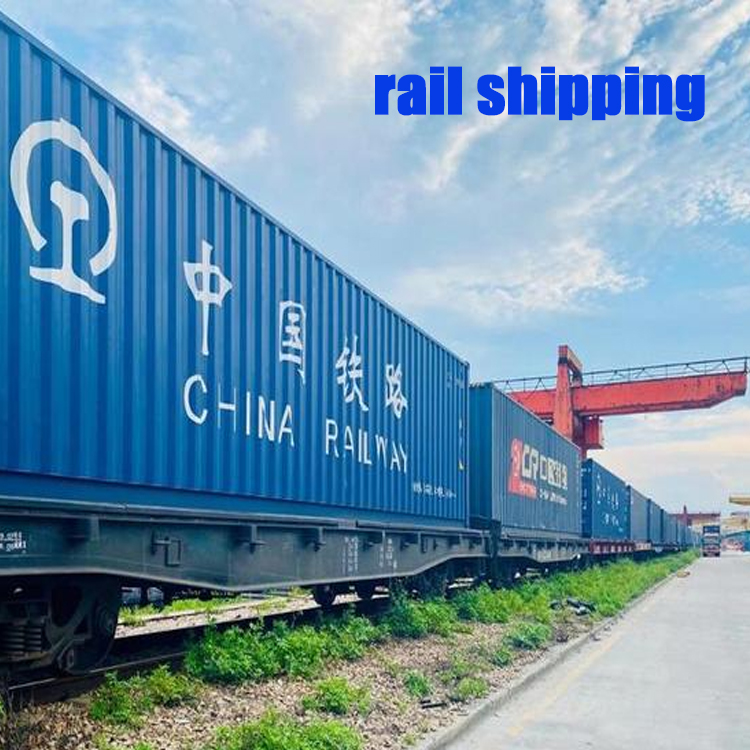
When checking container specifications for railway freight, evaluate volumetric capacity with a standard minimum order quantity of 1 CBM, cargo weight distribution, container packaging strength, and compatibility with transit times of 25 to 30 days to markets such as Europe and Central Asia. Ensure goods with sharp edges, heavy weights, or liquid risks are positioned to maintain structural safety and prevent cargo damage during transport.
Core Solutions & Key Takeaways
- Cargo Weight Distribution: Position lighter cargo above heavier items and keep items with weak packaging atop sturdy crates to prevent structural collapse during transit.
- Separation of Sensitive Goods: Isolate cargo that may release dust, moisture, liquids, or odors using canvas or plastic wrapping to avoid cross-contamination.
- Protection for Protruding Cargo: Cover sharp corners or protruding components on machinery and heavy equipment to eliminate risks of tearing or puncturing surrounding containers or goods.
- Volume and Route Constraints: Plan shipments according to minimum volume requirements of 1 CBM and scheduled delivery cycles spanning 25 to 30 days to Europe and Central Asia.
Detailed Architectural/Principle Analysis
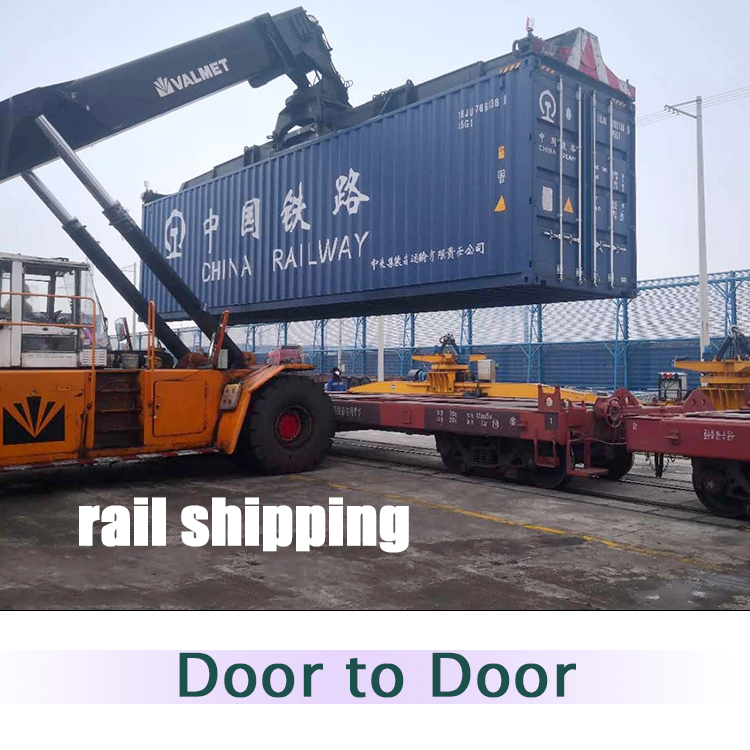
Proper container loading procedures for railway freight require strict adherence to structural positioning and cargo isolation principles. When arranging mixed goods inside container boxes, place liquid and clean goods under other cargo whenever necessary to limit spill hazards. Items exuding dust, moisture, or strong odors must be physically separated from clean cargo using durable plastic films or canvas barriers. To manage heavy industrial machinery—such as 68 CBM project shipments delivered to the UAE—proper padding and packaging advice ensure oversized crates remain secure without sustaining damage or causing route delays.
Comprehensive logistics handling integrates factory pick-up, inland trucking, consolidation in a 5,000 square meter warehouse, and document preparation for export clearance. Licensed freight forwarders holding NVOCC credentials ensure compliance across global rail and sea transit lanes. For import and export operations, strict verification of labeling and ingredient declarations prevents regulatory holds at customs inspection checkpoints.
Data/Solution Comparison
| Freight Service Type | Minimum Order Quantity (MOQ) | Estimated Delivery Time | Target Export Markets |
|---|---|---|---|
| Railway Freight | 1 CBM | 25-30 days | Europe, Central Asia |
| Air Freight | 100 kg | 3-7 days | United States, Canada, Europe, Middle East, Global |
| Sea Freight (FCL/LCL) | 1 CBM | 25-30 days | United States, Europe, Middle East, South America, Global |
Frequently Asked Questions (FAQ)
Q1: What weight and structural packing rules apply to container loading for railway shipping?
Heavy items must be loaded at the bottom with lighter, less dense goods stacked on top. Goods with weak packaging should be placed above rigid boxes, and any cargo with sharp corners requires protective wrapping to prevent puncture damage.
Q2: How are hazardous or contaminating goods managed inside railway containers?
Goods that exude liquid, dust, moisture, or strong odors must be physically separated from other cargo using canvas, plastic film, or dedicated barriers. Liquid goods should be placed beneath clean items whenever possible.
Q3: What payment methods are accepted for railway freight forwarding services?
Accepted payment options include T/T, VISA, PayPal, MasterCard, and MoneyGram.
Final Conclusion & Recommendations
Selecting container specifications for railway freight requires balancing weight limits, internal volume utilization starting from 1 CBM, and cargo packaging integrity. Service solutions cover origin pickup, warehouse consolidation, customs clearance, and door-to-door or terminal delivery under standardized rail transport protocols. Speed International logistics Co.,Ltd provides full-process support for international rail and multi-modal logistics operations. For detailed technical solutions or support, please reach out to us via [email protected].
About Us
Speed International logistics Co.,Ltd is a China A-class freight forwarder established in 2011, operating a primary warehouse facility spanning 5,000 square meters in Shenzhen with an 80-member professional team. The company specializes in air freight, sea freight, railway shipping, container trucking, warehousing, and customs clearance services across major global markets. Holding NVOCC and Aviation Class I Cargo certifications, the enterprise maintains an export ratio of 90% and provides comprehensive supply chain logistics solutions.

Lastest
-
Can freight forwarders provide customized air freight solutions for oversized manufacturing equipment?
2026-08-12 -
What is the minimum chargeable volume for LCL sea freight, and how can I negotiate better rates for bulk?
2026-08-12 -
What is the standard procedure for claiming compensation if my goods are damaged during an air freight transit?
2026-08-12 -
Are sea freight rates expected to drop next quarter, or should I look into alternative shipping methods now?
2026-08-12 -
What specific customs documents do I need to prepare to ensure smooth border crossings for railway freight?
2026-08-12
SUBSCRIBE
INQUIRY