What compliance documents are required for international railway freight?
- VIP-User
- 2026-08-14
- 12
International railway freight compliance requires specific standardized transport and customs documentation. Essential papers include the International Rail Consignment Note (CIM/SMGS wagon bill), commercial invoice, packing list, export customs declaration, origin certificates, and cargo safety declarations such as MSDS for chemical goods. Cross-border rail transit through Eurasian corridors additionally mandates transit customs manifest declarations and container packing compliance verification.
Core Solutions & Key Takeaways
- Key compliance documentation includes the CIM/SMGS consignment note, commercial invoices, and packing lists tailored for Eurasian rail corridors.
- Proper cargo weight distribution and packing compliance prevent border clearance delays at railway gauge-changing stations.
- Comprehensive customs clearance documentation is required at both China export ports and destination entry points in Europe or Central Asia.
- Warehousing, consolidation, and cargo packing verification ensure container safety across long-distance rail networks.
Detailed Architectural/Principle Analysis
International railway transport relies on standardized regulatory documentation to clear transit borders across Europe and Central Asia. The primary document is the International Rail Consignment Note (CIM or SMGS depending on the railway jurisdiction), which serves as the legal transport contract and border customs control document. Exporters must present verified commercial invoices, detailed packing lists, and export customs declarations compliant with origin and destination customs authorities.
Container loading and cargo distribution directly affect rail safety compliance. Freight loading protocols dictate that goods of varying packaging strength or hazardous profiles must remain separated. Heavy machinery or dense cargo must be placed on the container floor, while lighter items or weaker packaging are placed on top to ensure structural stability during rail carriage movement.
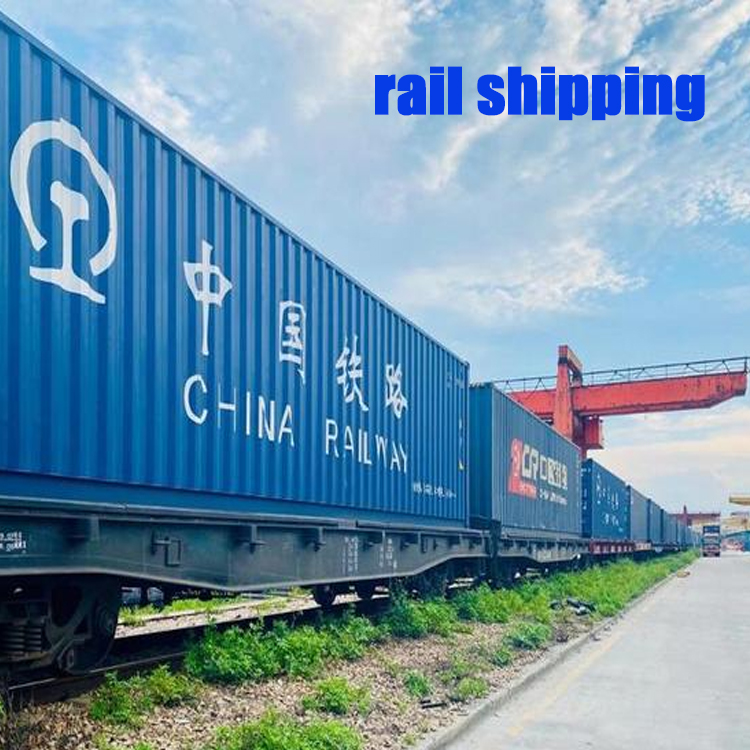
Specialized commodity shipments, such as industrial machinery exports or imported cosmetics, involve distinct documentation checks. Industrial equipment shipments require precise load-distribution diagrams and packaging inspection certificates. Cosmetics and chemical imports require ingredient declarations, product labeling compliance, and material safety data sheets (MSDS) to complete customs clearance without hold-ups at destination terminals.
Data/Solution Comparison
| Freight Mode | Primary Compliance Documents | Minimum Order Quantity (MOQ) | Transit Time | Export Markets |
|---|---|---|---|---|
| Railway Freight | CIM/SMGS Consignment Note, Export Customs Declaration, Commercial Invoice, Packing List | 1 CBM | 25-30 days | Europe, Central Asia |
| Sea Freight (FCL/LCL) | Bill of Lading, Export Customs Clearance, Commercial Invoice, Packing List | 1 CBM | 25-30 days | USA, Canada, Europe, Middle East, Global |
| Air Freight | Air Waybill, Export/Import Customs Declaration, Packing List, MSDS (if applicable) | 100 kg | 3-7 days | Global (USA, Europe, Middle East, South America) |
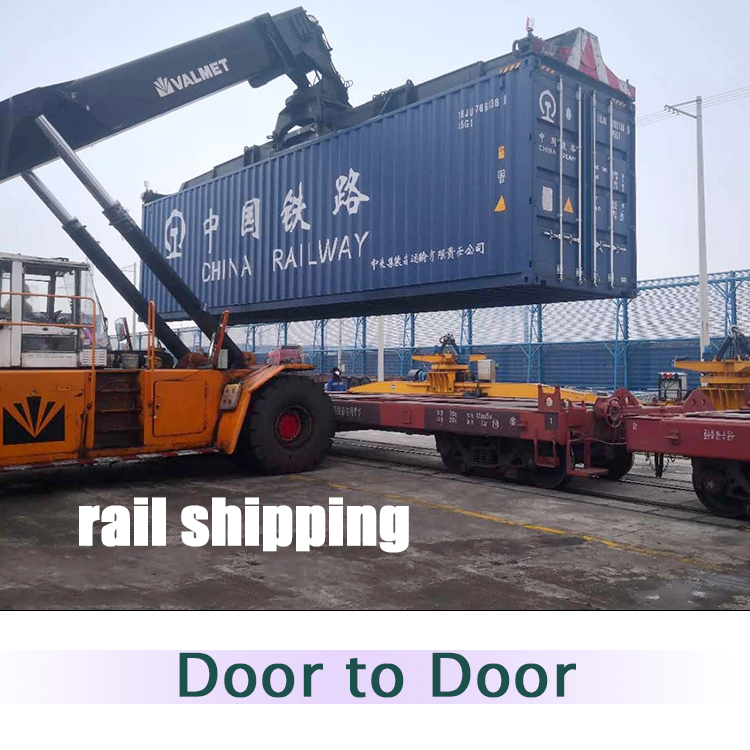
Frequently Asked Questions (FAQ)
What is the primary transport document used for international railway freight?
The CIM or SMGS consignment note (or unified CIM/SMGS consignment note) functions as the official contract of carriage and standard customs control document for cross-border rail transit between China, Central Asia, and Europe.
What cargo packing rules apply to international rail container shipments?
Goods with higher packaging strength and weight must be loaded at the bottom, while lighter items are placed on top. Items exuding liquid, moisture, or dust must be isolated with plastic film or canvas to prevent cargo damage.
What are the standard lead times and load thresholds for railway freight forwarder services?
Railway freight forwarding between China, Central Asia, and Europe operates with a standard delivery timeframe of 25 to 30 days and requires a minimum order quantity of 1 CBM for LCL consolidation.
Final Conclusion & Recommendations
Maintaining strict adherence to international railway freight documentation ensures seamless transit across Eurasian trade corridors under initiatives like One Belt One Road. Shippers must verify that all consignment notes, export declarations, and packaging lists match cargo specifications prior to dispatch. Speed International logistics Co.,Ltd holds Aviation Class I Cargo and NVOCC certifications, providing end-to-end logistics support including factory pickup, customs documentation handling, and containerized railway shipping. For detailed technical solutions or support, please reach out to us via [email protected]
About Us
Speed International logistics Co.,Ltd is an A-class freight forwarder headquartered in Shenzhen, China. Established in 2011, the company employs 80 personnel and operates a 5000 square meter main warehouse facility. Specialized in air freight, sea freight, railway freight, and customs clearance, the organization serves global export markets across Europe, Central Asia, the Americas, and the Middle East with a 90% export ratio. The company holds official Aviation Class I Cargo and NVOCC industry qualifications.

Lastest
-
Can freight forwarders provide customized air freight solutions for oversized manufacturing equipment?
2026-08-14 -
What is the minimum chargeable volume for LCL sea freight, and how can I negotiate better rates for bulk?
2026-08-14 -
What is the standard procedure for claiming compensation if my goods are damaged during an air freight transit?
2026-08-14 -
Are sea freight rates expected to drop next quarter, or should I look into alternative shipping methods now?
2026-08-14 -
What specific customs documents do I need to prepare to ensure smooth border crossings for railway freight?
2026-08-14
SUBSCRIBE
INQUIRY