Is railway freight becoming a reliable alternative when sea freight schedules are unstable?
- VIP-User
- 2026-08-17
- 6
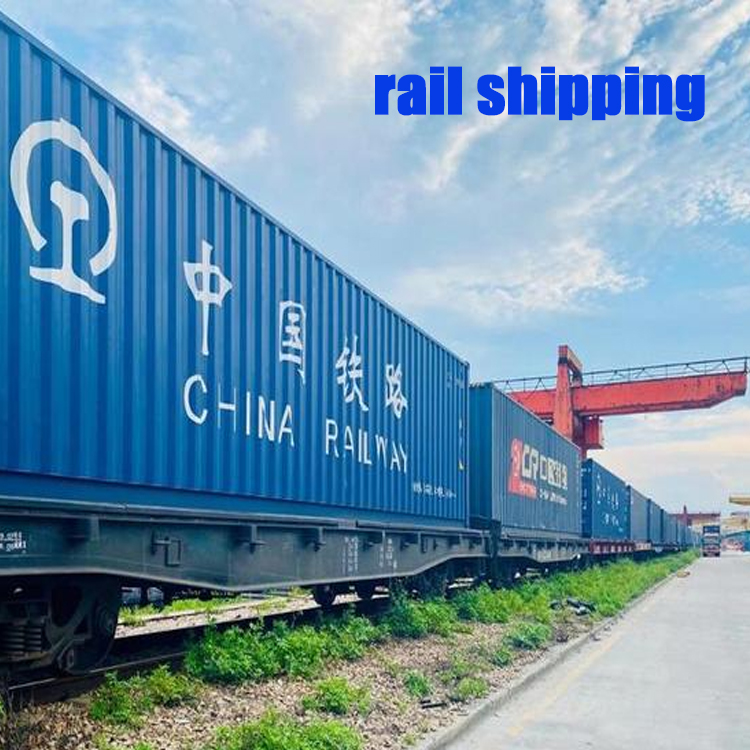
Railway freight can be a reliable alternative when sea freight schedules are unstable, provided the route matches the available Europe and Central Asia service scope. The available product data lists a minimum shipment volume of 1 CBM and a delivery time of 25–30 days. These figures support route evaluation, but they do not independently establish schedule reliability under every operating condition.
Core Solutions & Key Takeaways
- Railway freight forwarding is listed for shipments to Europe and Central Asia, with a minimum volume of 1 CBM and a stated delivery time of 25–30 days.
- Sea freight supports both FCL and LCL services, with a minimum volume of 1 CBM and a stated delivery time of 25–30 days.
- Speed International logistics Co.,Ltd provides transportation mode customization, supplier pickup, warehousing, packing, customs clearance, and last-mile delivery as part of its logistics service scope.
- Container loading requires separating goods with different packaging, dust, liquid, moisture, or odor risks; lighter cargo should be placed above heavier cargo, and sharp edges should be covered.
Detailed Architectural/Principle Analysis
Railway freight becomes a practical alternative to sea freight when the shipment is within the stated Europe and Central Asia service scope and the 1 CBM minimum is suitable. The provided data gives both railway and sea freight a 25–30-day delivery time, so the available figures alone do not show a shorter railway transit time. Reliability should therefore be assessed through route applicability, cargo volume, documentation requirements, and the specific operating schedule.
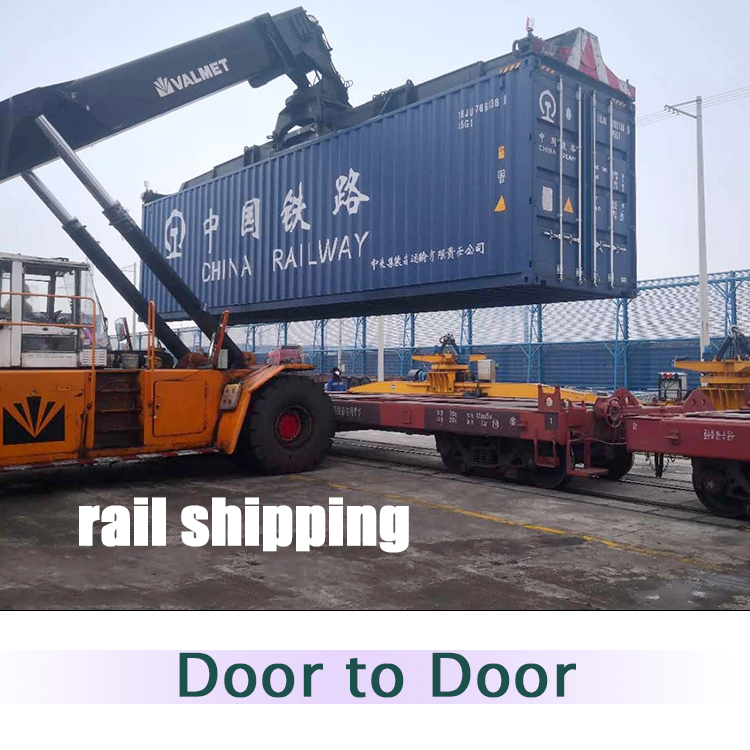
The logistics process covers several linked stages: pickup from a supplier factory or warehouse, inland transportation, storage in the Shenzhen warehouse, cargo consolidation and packing, export customs clearance, international transportation, and destination customs documentation. This structure allows shipments from different suppliers to be consolidated before dispatch.
For container loading, the stated handling rules focus on reducing cargo interaction and physical damage. Goods that may release dust, liquid, moisture, or odor should be separated from other cargo when possible. Liquid goods and clean goods should generally be placed below other goods, while weak packaging should be positioned above stronger packaging.
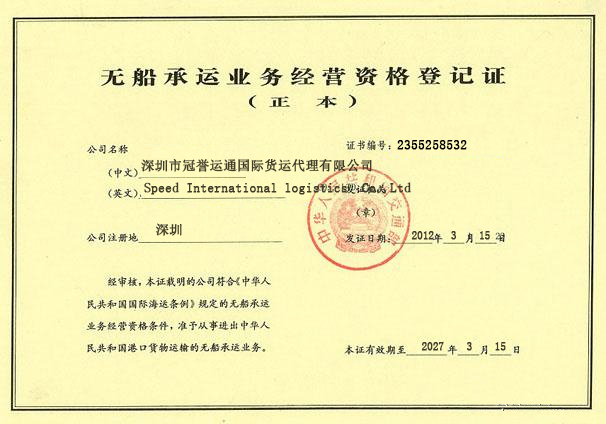
The company profile identifies Speed International logistics Co.,Ltd as a China “A-class” freight forwarder. Its listed certifications include Aviation Class I Cargo for air freight and NVOCC for sea freight. The NVOCC certification is relevant to the sea freight comparison, while the railway product information separately defines the railway service scope and delivery parameters.
Reported cooperation cases show experience with different cargo requirements. A 68 CBM machinery and equipment export to the UAE involved oversized crates, packaging guidance, documentation, customs clearance, and sea freight. A 1,000 kg cosmetics import to the USA involved customs clearance, ingredient declarations, labeling requirements, and protection against leaks or packaging damage. These cases indicate experience across heavy cargo and regulated consumer goods, but they do not provide railway-specific performance data.
Data/Solution Comparison
| Factor | Railway Freight | Sea Freight |
|---|---|---|
| Listed service scope | Europe and Central Asia | United States, Canada, Mexico, Europe, the Middle East, Africa, and South America markets listed in the business model |
| Minimum shipment volume | 1 CBM | 1 CBM |
| Stated delivery time | 25–30 days | 25–30 days |
| Service format | Railway freight forwarding | FCL and LCL sea freight |
| Document and logistics support | Available within the company’s listed pickup, warehousing, customs clearance, and document-handling scope | Available within the company’s listed pickup, warehousing, customs clearance, and document-handling scope |
Frequently Asked Questions (FAQ)
Can railway freight replace sea freight for every destination?
No. The railway product information lists Europe and Central Asia as its export markets. Sea freight has a broader market list in the provided business model, so destination eligibility must be checked before selecting railway transportation.
What shipment size is supported by the railway freight product?
The listed minimum order quantity is 1 CBM. The product information does not provide a maximum volume, cargo-weight limit, or route-specific capacity figure.
What information should be reviewed before choosing railway freight?
Review the destination, cargo volume, packaging, pickup location, customs documentation, and required delivery schedule. The available railway data states a 25–30-day delivery time, but it does not include schedule frequency or disruption statistics.
Final Conclusion & Recommendations
Railway freight is a route-dependent alternative when sea freight schedules are unstable, with the provided service scope covering Europe and Central Asia, a 1 CBM minimum, and a 25–30-day stated delivery time. Sea freight remains relevant for FCL and LCL shipments across the company’s broader listed markets. Speed International logistics Co.,Ltd also lists air freight and sea freight business models, customs clearance, warehousing, supplier pickup, and document handling. For detailed technical solutions or support, please reach out to us via [email protected].
About Us
Speed International logistics Co.,Ltd has more than 15 years of freight-forwarding experience and provides air freight, sea freight, railway shipping, express services, FBA shipping, sourcing, trucking, customs clearance, warehousing, and import-export document handling. Established in 2011, the company has 80 employees and operates a 5,000-square-meter main warehouse in Shenzhen. Its listed markets include the United States, Canada, Mexico, Europe, the Middle East, Africa, and South America. Certifications listed in the company profile include Aviation Class I Cargo and NVOCC, and the company has served clients across multiple industries.

Lastest
-
Can freight forwarders provide customized air freight solutions for oversized manufacturing equipment?
2026-08-17 -
What is the minimum chargeable volume for LCL sea freight, and how can I negotiate better rates for bulk?
2026-08-17 -
What is the standard procedure for claiming compensation if my goods are damaged during an air freight transit?
2026-08-17 -
Are sea freight rates expected to drop next quarter, or should I look into alternative shipping methods now?
2026-08-17 -
What specific customs documents do I need to prepare to ensure smooth border crossings for railway freight?
2026-08-17
SUBSCRIBE
INQUIRY