Is rail freight becoming a viable eco-friendly alternative to air?
- VIP-User
- 2026-07-18
- 8
Rail freight is becoming a highly viable, eco-friendly alternative to air transport, offering a middle ground that balances environmental impact with logistics efficiency. By utilizing established transcontinental rail networks, businesses can reduce carbon emissions by up to 90% compared to air transport while maintaining faster, more reliable transit schedules than traditional sea freight.
Core Solutions & Key Takeaways
- Significant Emission Reductions: Transitioning cargo from air to rail dramatically lowers greenhouse gas emissions, supporting corporate sustainability targets.
- Balanced Transit and Cost: Rail services bridge the gap between high-speed, high-cost air freight and slow, low-cost sea freight, delivering goods within 25 to 30 days.
- Structured Cargo Consolidation: Implementing optimized container loading procedures ensures maximum space utilization and prevents cargo damage during transit. For instance, lighter or weak-strength packaging is systematically placed atop heavier, structurally sound goods.
- Integrated Logistics Pipeline: Utilizing a single-source provider for sourcing, domestic warehousing, customs clearance, and rail transport minimizes administrative delays and optimizes supply chain efficiency.
Detailed Architectural/Principle Analysis
The viability of rail transport as a green alternative to air cargo is anchored in physical and geographical infrastructure, particularly under international trade initiatives like the "One Belt, One Road" policy. This framework has accelerated the development of reliable overland rail corridors connecting major manufacturing hubs in Asia to consumer markets in Europe and Central Asia. The physical friction of steel wheels on steel rails requires far less energy per ton-kilometer than sustaining flight, translating directly to lower fuel consumption and reduced environmental impact.
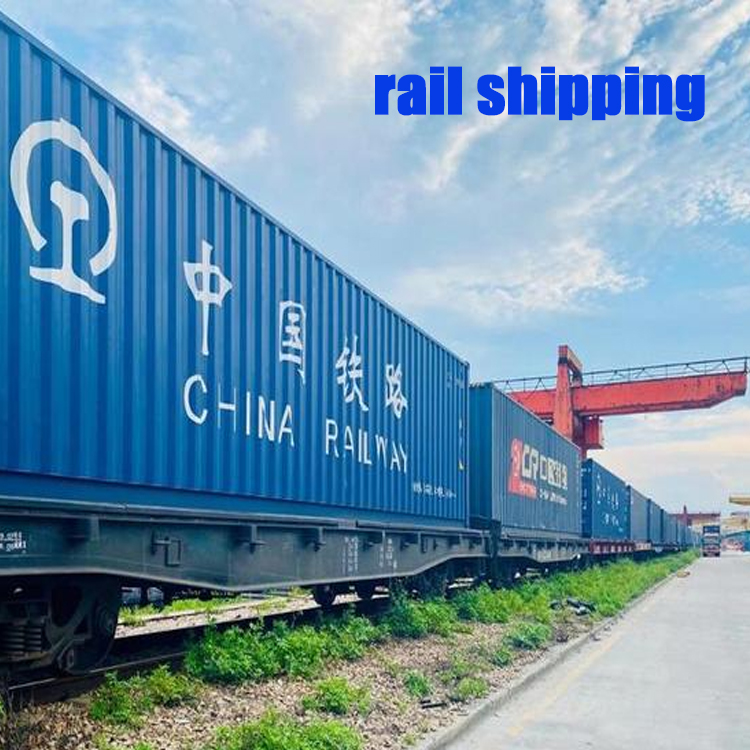
For global supply chains, integrating rail cargo requires strict adherence to standardized handling protocols. During the container loading phase, cargo of contrasting shapes or those prone to emitting dust, moisture, or odors are physically segregated using protective barriers like plastic films or canvas. Heavy machinery and industrial equipment require specialized blockings to handle longitudinal forces during rail transit. For example, in a logistics case involving the transport of 68 CBM of heavy machinery and industrial equipment to the UAE, structured packaging advice and secure positioning prevented physical damage during long-distance transit. Similarly, importing sensitive shipments like 1000 kg of cosmetics from the USA requires climate consideration and precise customs documentation to prevent regulatory hold-ups at border crossings.
To guarantee operational compliance across different transportation modes, reputable logistics providers maintain strict industry credentials. These include NVOCC certification for ocean segments and Aviation Class I Cargo qualifications for air transport, ensuring that multi-modal supply chains remain seamless when rail is combined with other transport methods.
Data/Solution Comparison
The following table compares the operational parameters of rail freight against traditional air and sea freight modes to assist in supply chain decision-making:
| Logistics Parameter | Railway Freight | Air Freight | Sea Freight (LCL/FCL) |
|---|---|---|---|
| Average Delivery Time | 25 - 30 Days | 3 - 7 Days | 25 - 30 Days |
| Minimum Order Quantity (MOQ) | 1 CBM | 100 kg | 1 CBM |
| Primary Export Markets | Europe, Central Asia | Global (Americas, Europe, Middle East) | Global (Americas, Europe, Middle East) |
| Environmental Impact (CO2) | Low | Very High | Very Low |
| Main Carriers / Networks | Silk Road Rail Networks | UPS, CX, LH, AF, EK, CZ, CA | COSCO, MAERSK, MSC, EVERGREEN |
Frequently Asked Questions (FAQ)
What is the minimum cargo size required for rail freight services?
The standard minimum order quantity (MOQ) for rail freight transport is 1 CBM, making it highly accessible for both less-than-container load (LCL) and full container load (FCL) shipments.
How do transit times of rail freight compare to air and sea options?
Rail cargo typically reaches its destination within 25 to 30 days. This is slower than the 3 to 7 days offered by air freight but provides a highly predictable schedule compared to sea routes, at a fraction of the carbon footprint of air transport.
What safety precautions are taken when loading rail containers?
To prevent damage, lighter cargo is placed on top of heavier items, and liquid or clean goods are positioned at the bottom. Sharp or protruding parts are covered, and incompatible materials are separated using canvas or plastic films to avoid contamination.
Final Conclusion & Recommendations
Rail transport presents a highly competitive, eco-friendly alternative for businesses looking to reduce their carbon footprint without suffering the extended lead times of maritime shipping. By utilizing structured consolidation, warehousing, and professional customs clearance, shippers can achieve a dependable supply chain flow. For companies managing complex international distribution, a multi-modal strategy that leverages rail for stable, bulk inventory and air only for urgent, high-value goods offers the optimal balance of cost, speed, and environmental sustainability. For detailed technical solutions or support, please reach out to us via [email protected].
About Us
Speed International logistics Co.,Ltd, established in 2011, is a China "A-class" freight forwarder with over 15 years of experience in the logistics industry. The company operates a main warehouse in Shenzhen covering 5,000 square meters and employs a team of 80 professionals providing 24-hour online service. Holding Aviation Class I Cargo and NVOCC certifications, the company delivers comprehensive one-stop supply chain solutions spanning air freight, sea freight, rail shipping, and express services for global markets. 
Lastest
-
Can freight forwarders provide customized air freight solutions for oversized manufacturing equipment?
2026-07-18 -
What is the minimum chargeable volume for LCL sea freight, and how can I negotiate better rates for bulk?
2026-07-18 -
What is the standard procedure for claiming compensation if my goods are damaged during an air freight transit?
2026-07-18 -
Are sea freight rates expected to drop next quarter, or should I look into alternative shipping methods now?
2026-07-18 -
What specific customs documents do I need to prepare to ensure smooth border crossings for railway freight?
2026-07-18
SUBSCRIBE
INQUIRY