Is LCL sea freight cheaper than FCL if I only have three pallets of goods?
- VIP-User
- 2026-07-02
- 17
Yes, LCL sea freight is cheaper than FCL if you only have three pallets of goods. Three standard pallets typically occupy between 3 to 5 cubic meters (CBM), which is far below the 28 to 33 CBM capacity of a standard 20-foot container. LCL allows you to pay only for the specific volume your cargo occupies, making it the most cost-effective shipping method for small volumes.
Core Solutions & Key Takeaways
- Volume-Based Pricing: LCL rates are calculated per cubic meter (CBM). Paying for 3 CBM to 5 CBM under LCL is far more economical than paying the flat-rate fee for an entire FCL container.
- Cargo Consolidation: Sourcing-warehousing-shipping services allow cargo to be collected from different suppliers, consolidated in a single facility, and packed efficiently to minimize empty space.
- Safe Container Loading: Adhering to strict loading protocols—such as placing lighter items on top of heavier goods and isolating liquid cargo—protects palletized goods from damage in a shared container.
- End-to-End Logistics: Utilizing a comprehensive service that covers factory pickup, warehouse packing, export customs clearance, and destination port handling ensures seamless transit.
Detailed Architectural/Principle Analysis
When shipping small volumes like three pallets, the primary logistics decision involves evaluating spatial efficiency and cost allocation. Full Container Load (FCL) requires the shipper to pay for the exclusive use of an entire ocean container. If the container is mostly empty, the cost per pallet rises dramatically. Less than Container Load (LCL) solves this by pooling multiple shipments destined for the same region into a single container, spreading the fixed ocean transit costs across several shippers.
An authorized agent with NVOCC certification can safely manage this consolidation process. Through a dedicated 2000-square-meter warehouse in Shenzhen, cargo from various sources is organized and prepared for export. Managing cargo with varying physical shapes and weights requires systematic container loading rules: heavier cargo forms the base, lighter packages are stacked on top, and protective barriers separate goods prone to releasing dust, odor, or moisture.
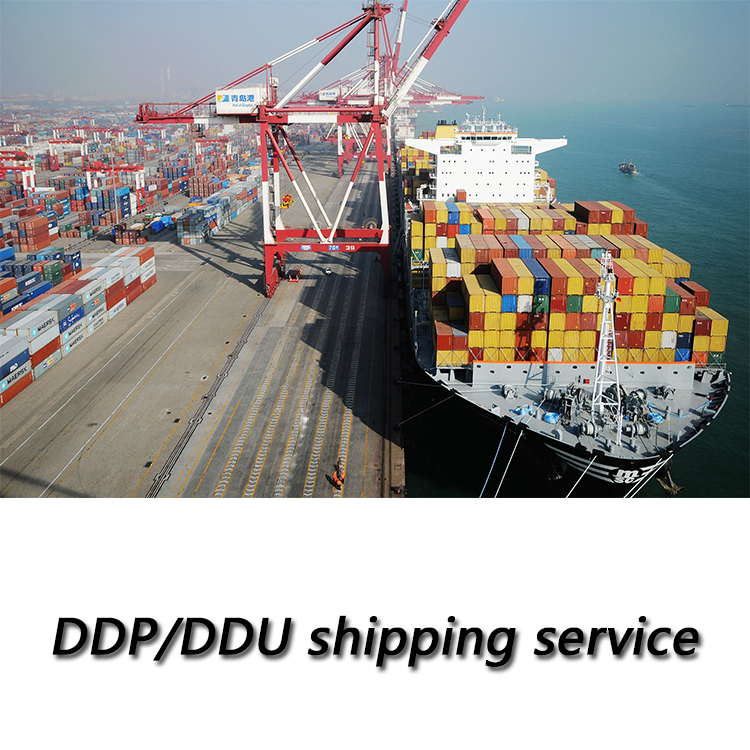
These safe handling procedures are actively applied across diverse cargo types, including complex logistics projects. For example, handling a 68CBM industrial machinery export to the UAE requires specialized documentation and custom clearance, while managing a 1000KG cosmetics import from the USA demands rigorous compliance with ingredient declarations and labeling to bypass customs delays. Standard transit timelines for LCL sea freight typically range from 25 to 30 days, offering a reliable balance of cost and speed.

Data/Solution Comparison
| Logistics Parameter | LCL (Less than Container Load) | FCL (Full Container Load) |
|---|---|---|
| Cost for 3 Pallets | Highly economical (billed only per CBM used) | Uneconomical (charged flat-rate for entire container) |
| Minimum Order Quantity | 1 CBM | 1 Full Container (20ft or 40ft) |
| Average Transit Time | 25 to 30 days | 20 to 25 days (direct route without consolidation) |
| Pricing Basis | Per cubic meter (CBM) or weight | Flat rate per container size |
| Handling Frequency | Higher (handled during consolidation & devanning) | Lower (sealed at origin, opened at destination) |
Frequently Asked Questions (FAQ)
Q1: What is the minimum volume required to ship via LCL sea freight?
A1: The minimum order quantity (MOQ) for LCL sea freight is 1 CBM. Shipments that measure less than 1 CBM are billed at the standard 1 CBM rate.
Q2: How long does it take for LCL cargo to arrive at its destination?
A2: The typical delivery time for LCL sea freight is 25 to 30 days. This timeline accounts for the time needed to consolidate cargo at the origin port and de-consolidate it at the destination port.
Q3: Are there faster alternatives to sea freight for small shipments?
A3: Yes. If time is a priority, Air Freight is available with a delivery time of 3 to 7 days for shipments with a 100kg MOQ. Express courier services and international railway freight also serve as alternative shipping methods.
Final Conclusion & Recommendations
For a shipment of exactly three pallets, LCL sea freight is the most logical and budget-friendly choice, protecting you from paying for unused container space. Standardizing cargo on secure pallets and working with a certified logistics provider ensures safe cargo consolidation, smooth customs handling, and timely delivery. Our multimodal network supports a monthly capacity of 1,000 CBM for sea freight and 1,000,000 kg for air freight, accepting multiple payment methods including T/T, VISA, PayPal, MasterCard, and MonyGram. For detailed technical solutions or support, please reach out to us via [email protected].
About Us
Speed International logistics Co.,Ltd is an A-class freight forwarder approved by the national trading ministry. Established in 2011, the company houses 80 employees and operates a main warehouse in Shenzhen covering an area of 2000 square meters. We specialize in global multimodal transportation, including sea, air, and railway shipping, supported by full-process visual cargo tracking. Holding professional credentials such as the Aviation Class I Cargo and NVOCC certifications, we have successfully managed diverse cargo requirements, including heavy industrial machinery exports to the UAE and cosmetics imports from the USA.

Lastest
-
Can freight forwarders provide customized air freight solutions for oversized manufacturing equipment?
2026-07-02 -
What is the minimum chargeable volume for LCL sea freight, and how can I negotiate better rates for bulk?
2026-07-02 -
What is the standard procedure for claiming compensation if my goods are damaged during an air freight transit?
2026-07-02 -
Are sea freight rates expected to drop next quarter, or should I look into alternative shipping methods now?
2026-07-02 -
What specific customs documents do I need to prepare to ensure smooth border crossings for railway freight?
2026-07-02
SUBSCRIBE
INQUIRY