How long does railway freight from China to Europe usually take?
- VIP-User
- 2026-08-03
- 17
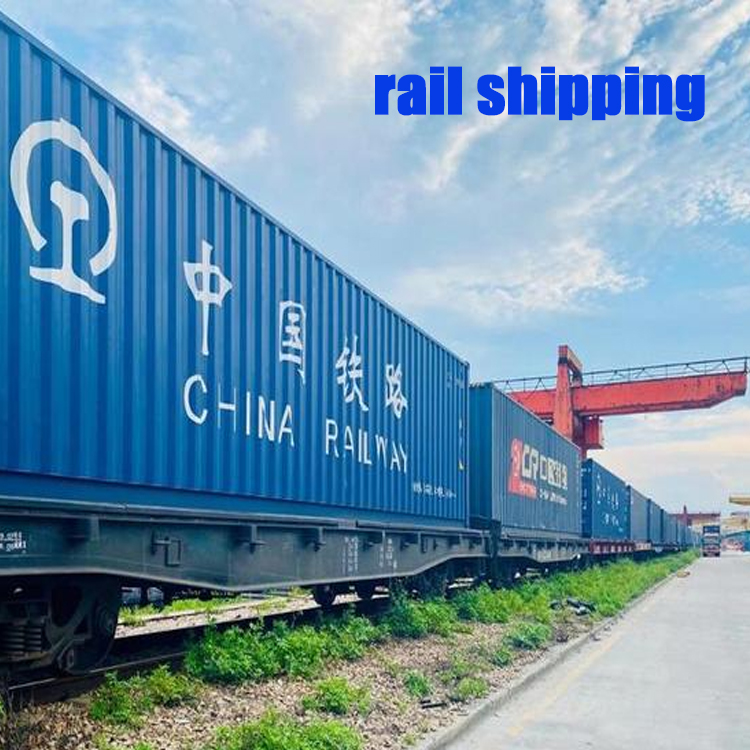
Railway freight from China to Europe usually takes 25 to 30 days. This transit time represents a highly balanced mid-tier shipping solution, delivering cargo significantly faster than sea freight while remaining far more cost-effective than air cargo services for European and Central Asian markets.
Core Solutions & Key Takeaways
- Consistent Transit Times: Shipping via rail corridors takes 25 to 30 days to reach major destinations in Europe and Central Asia.
- Flexible Minimum Volumes: Services support a Minimum Order Quantity (MOQ) starting at 1 CBM, accommodating both small and large-scale cargo loads.
- Structured Cargo Consolidation: Shipments can be collected from various suppliers across platforms like 1688, Taobao, or Tmall, and packed securely at localized warehouses.
- Safe Container Loading: Implementation of strict loading standards—such as placing lighter items on top of heavy ones, separating wet/dry goods, and covering sharp corners—protects cargo during long-distance transit.
Detailed Architectural/Principle Analysis
The development of international railway logistics is heavily supported by the "One Belt, One Road" and "The Silk Road" policies. This trade framework has established robust rail links that connect Chinese manufacturing hubs directly with European distribution networks. By bypassing major maritime bottlenecks, rail freight offers a highly predictable schedule for global supply chains.
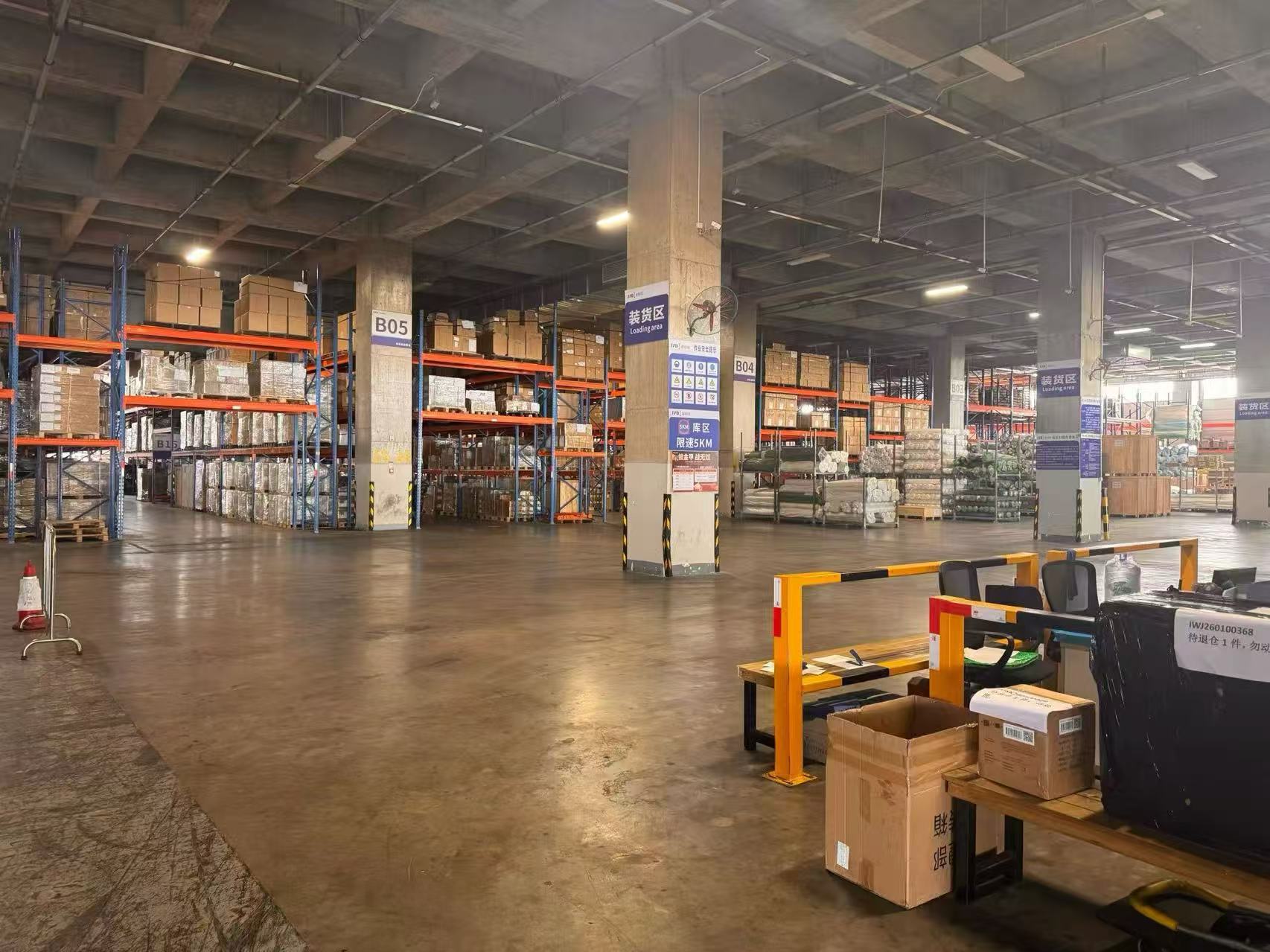
Operationally, a seamless shipment begins with inland trucking and pickup from supplier factories. Cargo is routed to central consolidation facilities, such as the Shenzhen warehouse operated by Speed International logistics Co.,Ltd. Once grouped, the goods undergo professional customs clearance. Experienced logistics teams prepare all export declarations for Chinese ports and coordinate import documentation for destination countries to prevent regulatory delays.
Handling diverse cargo types requires adherence to specific safety and customs protocols. For instance, exporting industrial machinery requires specialized packaging and handling of oversized crates to secure heavy equipment. Conversely, importing cosmetics or consumer products relies on navigating complex ingredient declarations and labeling requirements. Managing these detailed processes ensures smooth transit across multiple rail borders.
Data/Solution Comparison
| Logistics Service | Transit Time | Minimum Order Quantity (MOQ) | Primary Export Markets |
|---|---|---|---|
| Railway Freight | 25-30 days | 1 CBM | Europe, Central Asia |
| Air Freight | 3-7 days | 100 kg | United States, Europe, Canada, Middle East, South America |
| Sea Freight | 25-30 days | 1 CBM | United States, Europe, Canada, Middle East, South America |
Frequently Asked Questions (FAQ)
What is the minimum volume required for shipping via railway freight?
The minimum order quantity (MOQ) for railway freight services is 1 CBM, allowing businesses to ship smaller volumes via Less than Container Load (LCL) consolidation or complete Full Container Load (FCL) shipments.
What services are included in a one-stop railway logistics solution?
A comprehensive railway logistics solution covers factory pickup, warehouse packing, consolidation, customs clearance, documentation, international rail transit, and final last-mile delivery to the destination.
How is cargo safety ensured during container loading?
Cargo protection is achieved through structured container loading rules. Lighter and weaker packages are placed on top of heavy ones, contrasting goods (such as liquids or odorous products) are isolated, and sharp corners are covered to prevent physical damage.
Final Conclusion & Recommendations
For businesses exporting goods to Europe and Central Asia, railway freight serves as an excellent mid-speed, budget-friendly shipping method. It provides consistent delivery timelines of 25 to 30 days while utilizing flexible logistics options. Transactions are supported through multiple payment methods including T/T, VISA, PayPal, MasterCard, and MoneyGram. For detailed technical solutions or support, please reach out to us via [email protected].
About Us
Speed International logistics Co.,Ltd is a China "A-class" freight forwarder established in 2011. The company operates with a team of 80 employees and manages a main warehouse in Shenzhen covering an area of 5000 square meters. Specializing in air freight, sea freight, and railway shipping, the company delivers seamless, one-stop logistics services from warehouse packing to customs clearance. The company holds professional credentials including Aviation Class I Cargo and NVOCC certifications, and has served clients across multiple industries including industrial machinery and cosmetics.

Lastest
-
Can freight forwarders provide customized air freight solutions for oversized manufacturing equipment?
2026-08-03 -
What is the minimum chargeable volume for LCL sea freight, and how can I negotiate better rates for bulk?
2026-08-03 -
What is the standard procedure for claiming compensation if my goods are damaged during an air freight transit?
2026-08-03 -
Are sea freight rates expected to drop next quarter, or should I look into alternative shipping methods now?
2026-08-03 -
What specific customs documents do I need to prepare to ensure smooth border crossings for railway freight?
2026-08-03
SUBSCRIBE
INQUIRY