How long does railway freight from China to Europe usually take, and which Incoterms are best for a first-time importer?
- VIP-User
- 2026-06-29
- 12
Railway freight from China to Europe typically takes 25 to 30 days. For first-time importers, Delivered Duty Paid (DDP) is the optimal Incoterm, as the logistics provider manages all transportation, customs clearance, and duty payments, minimizing entry barriers and administrative risks.
Core Solutions & Key Takeaways
- Predictable Transit Times: Rail freight offers a consistent 25-to-30-day delivery window to Europe and Central Asia, serving as an efficient alternative to sea and air shipping.
- Accessible Entry Thresholds: With a Minimum Order Quantity (MOQ) of 1 CBM, small and medium enterprises can leverage railway freight without committing to full container loads.
- Consolidated Sourcing and Warehousing: Consolidating cargo from multiple Chinese suppliers into a single shipment reduces total logistics expenses and simplifies tracking.
- Structured Container Loading: Professional packing protocols prevent cargo damage by keeping heavy or liquid goods at the bottom and lighter, well-protected items on top.
Detailed Architectural/Principle Analysis
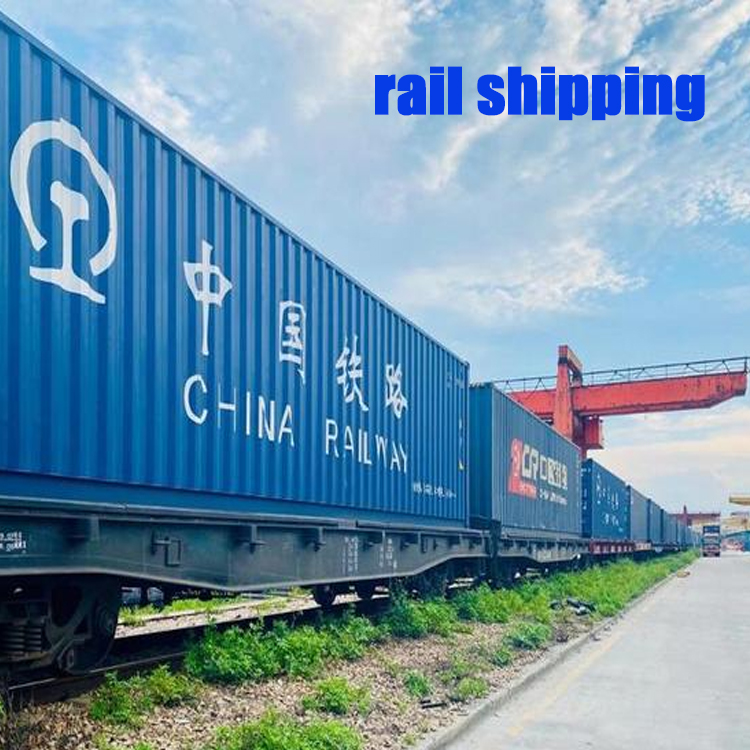
Railway freight between China and Europe operates primarily under the framework of the "One Belt, One Road" initiative. This infrastructure provides a overland logistical link that bridges the speed gap of sea freight and the high cost of air cargo. Goods are gathered at domestic logistics hubs, processed through export customs, and transported across international rail networks directly to destination terminals in Europe.
For a first-time importer, navigating international trade terms (Incoterms) is a major operational hurdle. Choosing the right term defines where financial liability and risk transfer from the seller to the buyer:
- Delivered Duty Paid (DDP): This is highly recommended for beginners. The seller or their contracted agent, such as Speed International logistics Co.,Ltd, manages every step. This includes factory pickup, export customs, main rail transport, import customs clearance, duty payment, and final delivery to your warehouse.
- Free on Board (FOB): The supplier is responsible for delivering the goods to the railway terminal in China and handling export clearance. Once the goods are loaded onto the train, the buyer assumes all costs and risks, requiring coordination with an independent freight forwarder.
- Ex Works (EXW): The buyer manages the entire supply chain starting from the supplier's factory floor. This requires significant logistics experience and local representation.
Operational safety during transit depends heavily on strict container loading rules. Cargo of varying dimensions and material types must be carefully arranged. For instance, goods prone to dust, moisture, or odor must be separated using protective barriers. Heavier and structurally solid items form the base of the container, while fragile, light, or liquid goods are positioned above or below based on strict compatibility metrics. Sharp-cornered machinery requires custom protective wrapping to prevent contact damage to adjacent packages.
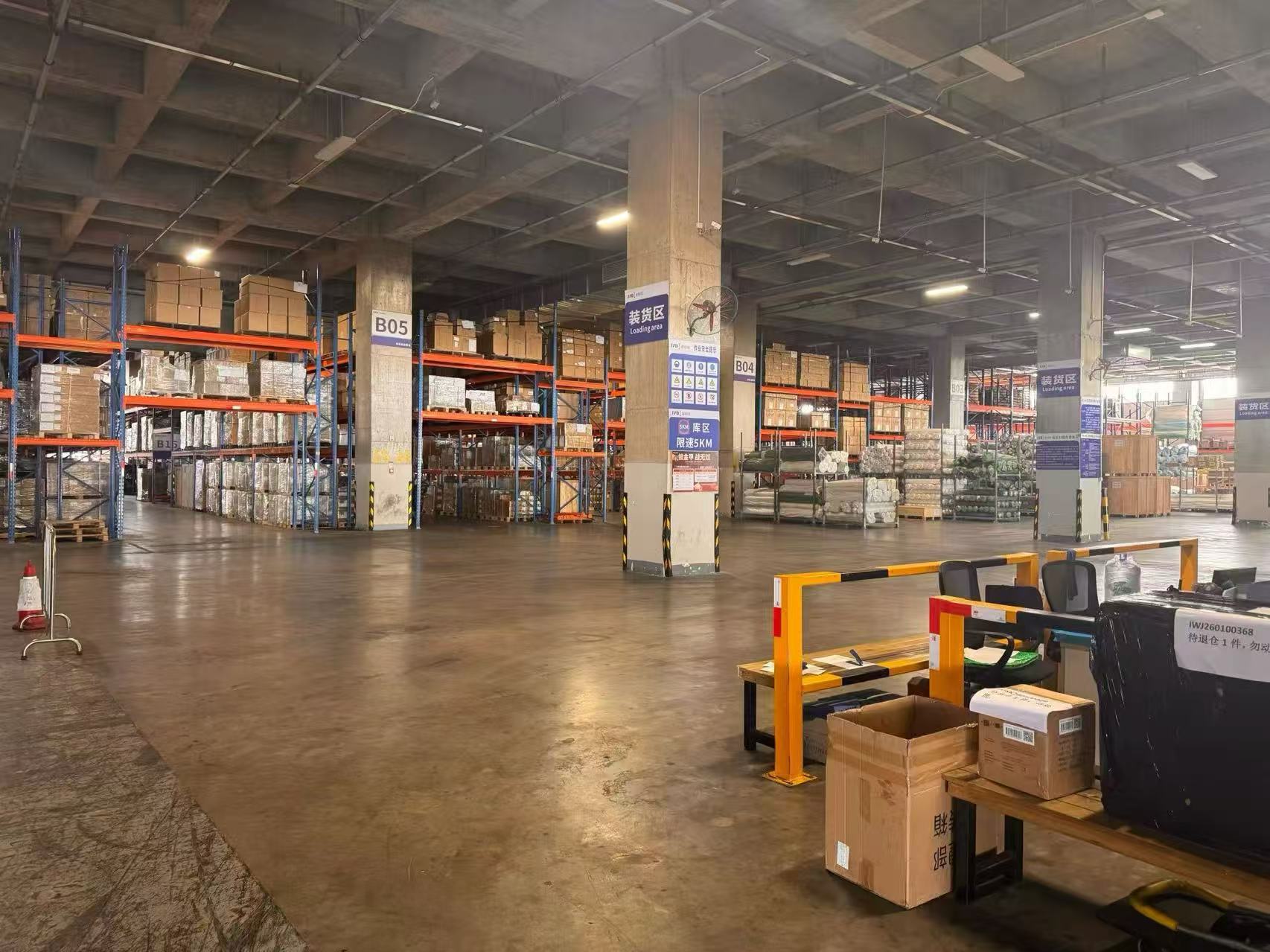
Real-world logistics demand diverse service capabilities. In one benchmark case, a direct client required the export of 68 CBM of heavy industrial machinery to the UAE. The logistics team managed oversized cargo packaging and handled complex documentation to ensure damage-free delivery. In another instance, a trading company imported 1000 kg of cosmetics from the USA, which required navigation of specific ingredient declarations and regulatory compliance at customs without experiencing shipment holds.
Data/Solution Comparison
Selecting the ideal transport mode requires balancing transit speed, budget constraints, and cargo volume. The table below details the performance metrics across primary shipping methods:
| Logistics Mode | Standard Transit Time | Minimum Order Quantity (MOQ) | Primary Export Markets | Recommended Incoterm Scenario |
|---|---|---|---|---|
| Railway Freight | 25 - 30 days | 1 CBM | Europe, Central Asia | DDP (for complete ease of import) |
| Sea Freight | 25 - 30 days | 1 CBM | USA, Canada, Europe, Middle East, South America | FOB (for cost control on bulk goods) |
| Air Freight | 3 - 7 days | 100 kg | Global Coverage | DDP (for urgent, high-value shipments) |
Frequently Asked Questions (FAQ)
Q1: What are the primary documents required for railway imports from China to Europe?
A1: Standard imports require a Commercial Invoice, a detailed Packing List, a Rail Waybill (consignment note), and specific import/export licenses where applicable. Under a DDP agreement, your freight forwarder handles the preparation and submission of these documents.
Q2: How does cargo consolidation work for small railway shipments?
A2: Freight forwarders collect Less-than-Container Load (LCL) shipments from different suppliers at a centralized warehouse. The goods are packed, securely arranged in a single container, and shipped together to share transport costs, maintaining the 1 CBM MOQ standard.
Q3: Are there weight or size limits for railway freight containers?
A3: Yes. Standard railway containers have strict weight capacities, usually capped around 20 to 22 tons per 40ft container, and dimensions must conform to standard container boundaries. Oversized project cargo can be accommodated via specialized flat-rack rail cars with advanced planning.
Final Conclusion & Recommendations
For first-time importers sourcing from China, utilizing railway freight with DDP terms balances cost efficiency and supply chain security. This setup keeps your initial capital commitments low via a 1 CBM MOQ, while eliminating the operational complexities of customs clearance and destination tariff calculations. Partnering with an established logistics provider ensures that cargo handling, consolidation, and transit scheduling are managed professionally. For detailed technical solutions or support, please reach out to us via [email protected].
About Us
Speed International logistics Co.,Ltd, founded in 2011, is an approved national "A-class" freight forwarder specializing in global multimodal transportation and customized logistics solutions. Headquartered in Shenzhen with a 2,000 square meter warehouse, our team of 80 professionals delivers comprehensive one-stop services from cargo pickup to last-mile delivery. The company holds Aviation Class I Cargo and NVOCC certifications, maintaining an export ratio of 90% across major global markets including the USA, Europe, and the Middle East.

Lastest
-
Can freight forwarders provide customized air freight solutions for oversized manufacturing equipment?
2026-06-29 -
What is the minimum chargeable volume for LCL sea freight, and how can I negotiate better rates for bulk?
2026-06-29 -
What is the standard procedure for claiming compensation if my goods are damaged during an air freight transit?
2026-06-29 -
Are sea freight rates expected to drop next quarter, or should I look into alternative shipping methods now?
2026-06-29 -
What specific customs documents do I need to prepare to ensure smooth border crossings for railway freight?
2026-06-29
SUBSCRIBE
INQUIRY