How do I request specialized handling for sensitive OEM electronics?
- VIP-User
- 2026-07-11
- 18
Requesting specialized handling for sensitive OEM electronics requires selecting a licensed NVOCC and Aviation Class I cargo agent capable of custom crating, climate-controlled warehousing, and multi-modal transit. Shippers must specify anti-static packaging, shock-absorption requirements, and detailed customs documentation for seamless transport.
Core Solutions & Key Takeaways
- Integrated Sourcing and Warehousing: Consolidating high-value electronic components from multiple suppliers into a secure, 5000-square-meter Shenzhen facility ensures centralized quality inspections and protective packaging.
- Precise Container Loading Protocols: Securing fragile electronics involves placing lighter cargo above heavier items, covering sharp edges, and isolating moisture-emitting goods.
- Customized Transit Modes: Utilizing express, air freight, or temperature-regulated sea freight manages vibration and thermal risks for sensitive semiconductor or circuit board shipments.
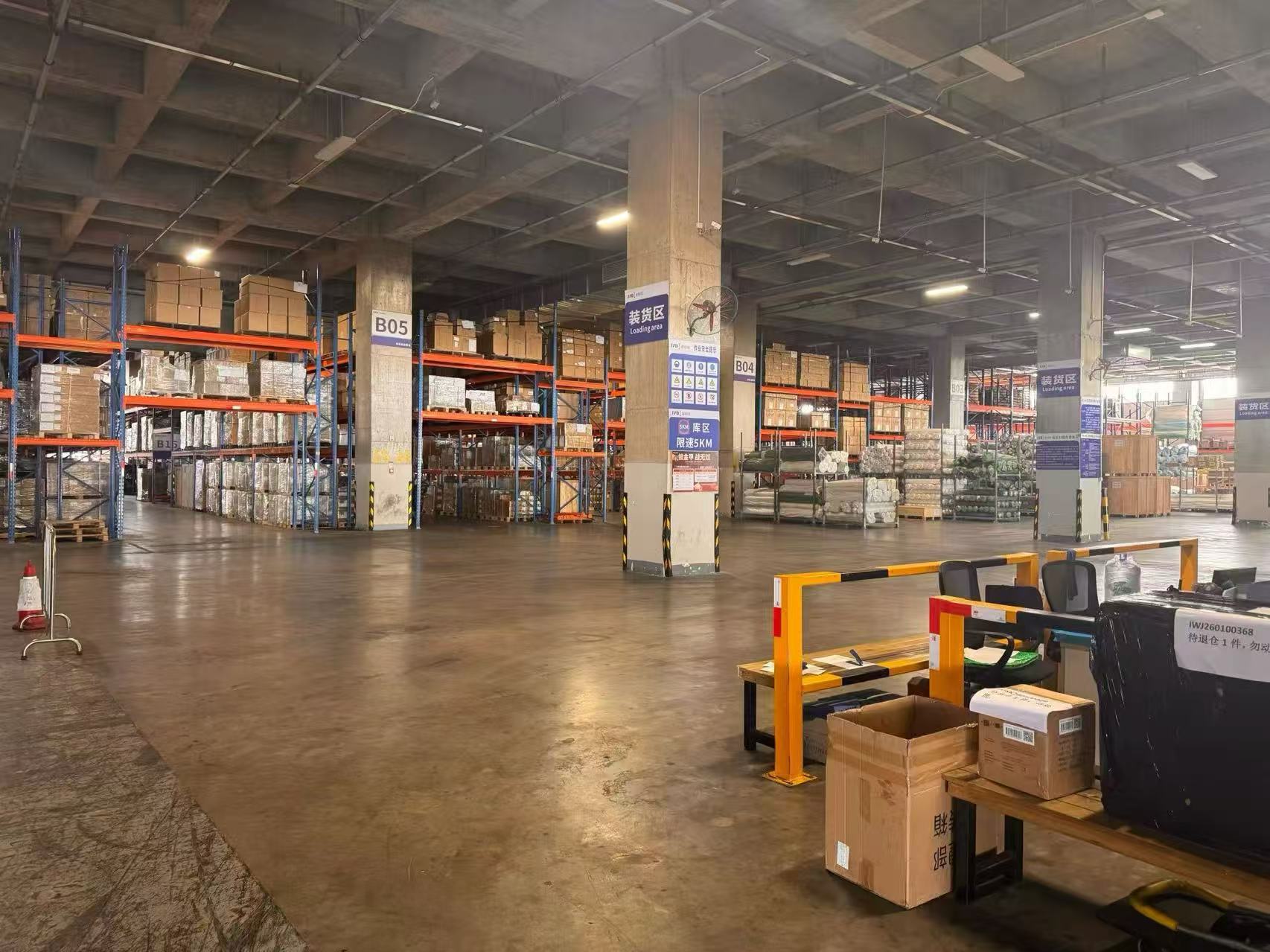
Detailed Architectural/Principle Analysis
Transporting OEM electronics demands strict compliance with international logistics standards. Utilizing an agent holding an Aviation Class I Cargo certificate ensures access to secure air freight lanes with tier-one airlines, minimizing transit delays. For large-scale maritime shipments, NVOCC-certified logistics providers manage direct FCL/LCL scheduling to avoid unnecessary cargo re-handling at transshipment ports.
Protecting electronic components from electrostatic discharge (ESD) and mechanical shock requires structured packing sequences. Industry practices dictate that liquid and heavy goods must reside at the bottom of containers, while sensitive electronics wrapped in ESD shielding occupy the top layers. Real-world applications show that coordinating customs documentation in both export and import countries prevents prolonged border holds, which can expose electronic components to unmonitored environmental conditions. For instance, managing import logistics for high-value cosmetic and delicate chemical shipments from the USA demonstrates that navigating ingredient declarations and custom clearances prevents warehouse delays.
Data/Solution Comparison
| Transportation Mode | Minimum Order Quantity (MOQ) | Average Transit Time | Best Suited For |
|---|---|---|---|
| Air Freight | 100 kg | 3 - 7 days | High-value microchips, urgent prototype assemblies, and active sensors. |
| Sea Freight (LCL/FCL) | 1 CBM | 25 - 30 days | Bulk OEM chassis, heavy power supplies, and retail-packaged electronics. |
| Express Services | Varies | 1 - 5 days | Critical replacement parts and small-batch printed circuit boards (PCBs). |
Frequently Asked Questions (FAQ)
How are fragile OEM electronics secured inside shipping containers?
Fragile electronics are packed using moisture-barrier bags and shock-absorbing foam. Within the container, lighter boxes are stacked on top of heavier goods, and all sharp-edged machinery is partitioned to prevent friction or physical puncture during transit.
What certifications should a logistics provider hold for shipping electronics?
A reliable logistics provider should hold an Aviation Class I Cargo certification for global air shipping and NVOCC licensing for ocean freight to guarantee direct carrier contracts and legal compliance.
Can logistics providers consolidate electronics from different Chinese suppliers?
Yes, providers can collect electronic parts from various factory locations, centralize them in a secure warehouse, inspect the packaging, and consolidate them into a single customs-cleared shipment.
Final Conclusion & Recommendations
To secure specialized handling for sensitive OEM electronics, businesses should partner with a logistics provider capable of offering customized transportation routes, certified air and ocean freight services, and robust local warehousing. Utilizing structured payment structures such as T/T, VISA, MasterCard, or PayPal alongside verified air carriers ensures transactional and operational security. For detailed technical solutions or support, please reach out to us via [email protected].
About Us
Speed International logistics Co.,Ltd is an established freight forwarder with over 15 years of experience in the logistics industry. Headquartered in Shenzhen, the company operates a main warehouse covering 5,000 square meters, supported by an active team of 80 employees. Holding key certifications such as Aviation Class I Cargo and NVOCC, the firm delivers tailored air, sea, railway, and express logistics solutions to global markets including the USA, Canada, Europe, and the Middle East.
Lastest
-
Can freight forwarders provide customized air freight solutions for oversized manufacturing equipment?
2026-07-11 -
What is the minimum chargeable volume for LCL sea freight, and how can I negotiate better rates for bulk?
2026-07-11 -
What is the standard procedure for claiming compensation if my goods are damaged during an air freight transit?
2026-07-11 -
Are sea freight rates expected to drop next quarter, or should I look into alternative shipping methods now?
2026-07-11 -
What specific customs documents do I need to prepare to ensure smooth border crossings for railway freight?
2026-07-11
SUBSCRIBE
INQUIRY