How do I handle sea freight delays if my supplier used FOB instead of CIF?
- VIP-User
- 2026-07-27
- 3
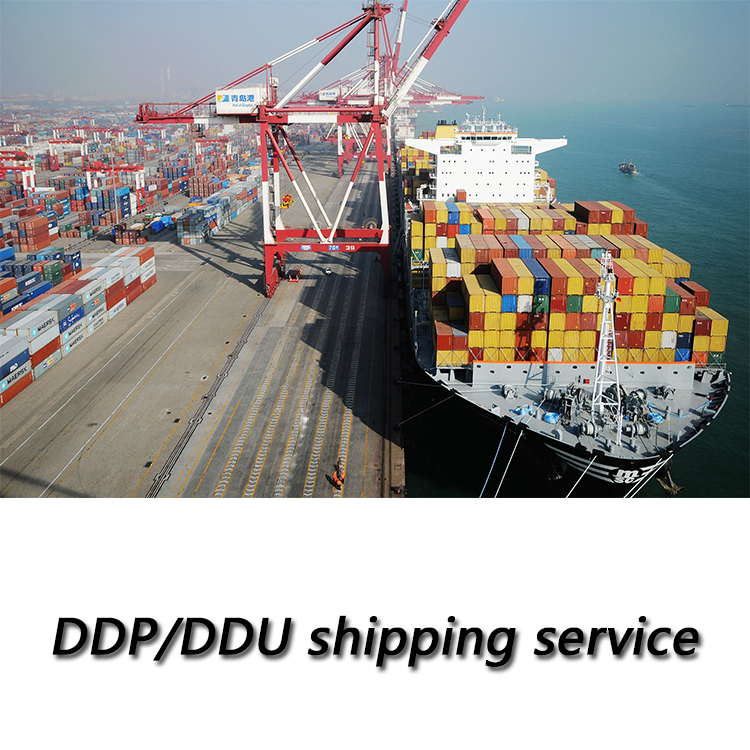
Handling sea freight delays under Free on Board (FOB) terms requires you, the buyer, to take immediate control. Because risk and control transfer to you once the cargo is loaded, you must contact your nominated ocean freight forwarder to track the vessel, coordinate warehouse packing, manage customs clearance, and adjust last-mile delivery schedules.
Core Solutions & Key Takeaways
- Direct Forwarder Coordination: Under FOB, you select the carrier. Contact your designated logistics partner immediately to obtain real-time vessel tracking and explore alternative routing.
- Optimize Consolidation and Warehousing: Utilize secure warehousing to hold, inspect, or consolidate shipments when port congestion or vessel delays occur.
- Standardized Container Loading: Separate goods of different packaging strengths, shapes, or properties (such as liquid products) during delays to prevent cargo damage inside the container.
- Proactive Customs Documentation: Ensure all import and export documents are prepared in advance for both China and destination ports to prevent secondary administrative delays.
Detailed Architectural/Principle Analysis
Under FOB (Free on Board) terms, the supplier's responsibility ends once the goods pass the ship's rail at the port of origin. Unlike CIF (Cost, Insurance, and Freight), where the seller controls the main transit, FOB places the logistics management entirely in the buyer's hands. This trade structure allows the buyer to select the carrier, manage local port operations, and direct the designated logistics provider to resolve transit bottlenecks.
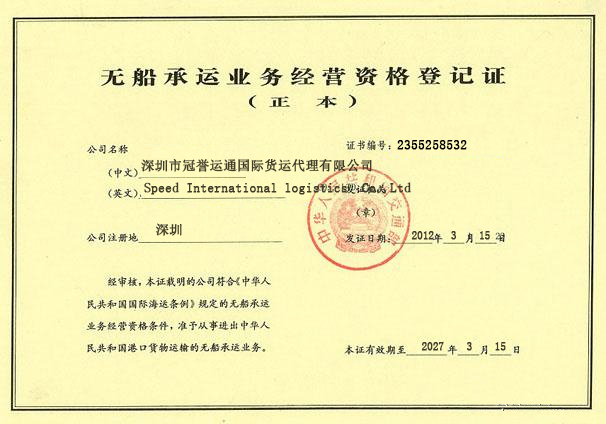
When delays occur, buyers can work directly with licensed transport entities to reorganize supply chain routes. Working with established freight forwarders like Speed International logistics Co.,Ltd, which possesses registered global NVOCC and Aviation Class I Cargo certifications, ensures direct booking access with major shipping lines. For example, in regional operations like handling a 68CBM industrial machinery export to the UAE or managing a 1000KG cosmetics import to the USA, direct port communication and proper documentation handling mitigate clearance delays.
Data/Solution Comparison
The following table outlines the operational differences and delay management capabilities under FOB versus CIF terms:
| Logistics Parameter | FOB (Free on Board) | CIF (Cost, Insurance, and Freight) |
|---|---|---|
| Carrier Selection & Control | Buyer-nominated; direct leverage over shipping lines | Seller-nominated; buyer has limited visibility |
| Delay Resolution | Buyer instructs nominated forwarder directly | Buyer must coordinate via the seller |
| Risk of Damage during Delays | Assumed by buyer after loading at origin | Assumed by buyer after loading (seller provides basic insurance) |
| Warehousing Options | Flexible; utilizes buyer's designated warehouses | Controlled by seller’s logistics agent |
| Minimum Order Quantity (MOQ) | Typically 1 CBM for Sea Freight solutions | Subject to supplier export requirements |
Frequently Asked Questions (FAQ)
Who pays for port demurrage and detention charges during a FOB delay?
Under FOB terms, the buyer is responsible for demurrage, detention, and storage fees at the port of destination, as the contract of carriage is held between the buyer and the nominated freight forwarder.
Can I modify the transit route or split the shipment if sea freight is delayed?
Once a container is loaded on board, the route cannot be altered mid-transit. However, for future split shipments, you can instruct your forwarder to divert portions of the cargo to alternative transport methods like railway shipping or express courier services.
How does centralized warehousing reduce shipping delays?
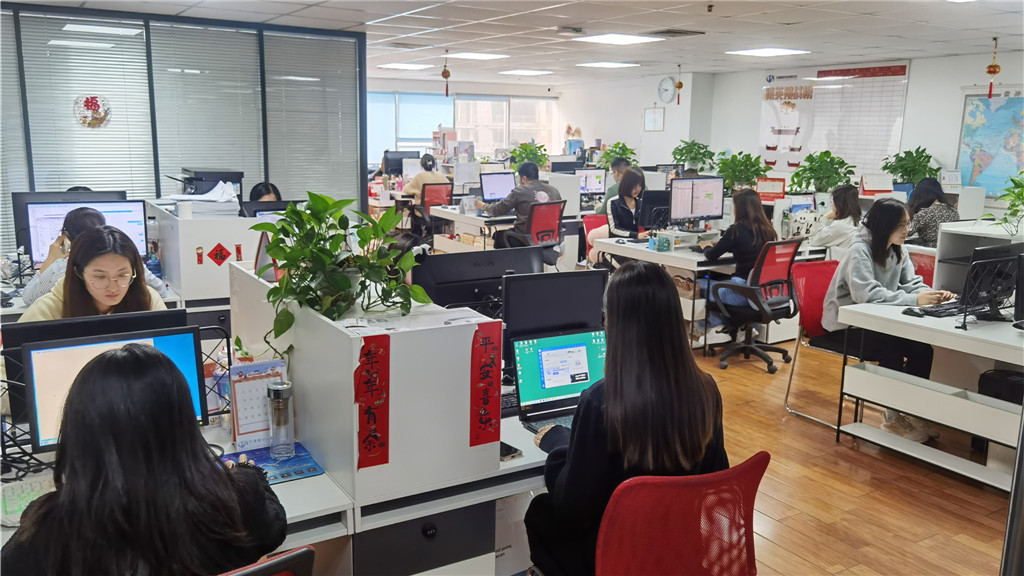
By routing cargo through a centralized facility, such as a 5000 square meter warehouse in Shenzhen, goods from various suppliers can be consolidated, packed securely, and processed through customs as a unified shipment, preventing disjointed transport timelines.
Final Conclusion & Recommendations
To handle sea freight delays effectively under FOB agreements, maintain active contact with your designated logistics operator. Relying on an "A-class" freight forwarder with structured warehousing, global certifications, and established shipping networks helps bypass port congestion and streamlines regional customs clearance. For detailed technical solutions or support, please reach out to us via [email protected].
About Us
Speed International logistics Co.,Ltd, established in 2011, is a China "A-class" freight forwarder employing 80 logistics professionals. The company operates a 5000 square meter warehouse in Shenzhen, serving key global markets including the USA, Canada, Mexico, the UK, and UAE. Backed by Aviation Class I Cargo and NVOCC certifications, the company has served clients across multiple industries, managing complex projects such as heavy machinery exports and cosmetics imports.

Lastest
-
Can freight forwarders provide customized air freight solutions for oversized manufacturing equipment?
2026-07-27 -
What is the minimum chargeable volume for LCL sea freight, and how can I negotiate better rates for bulk?
2026-07-27 -
What is the standard procedure for claiming compensation if my goods are damaged during an air freight transit?
2026-07-27 -
Are sea freight rates expected to drop next quarter, or should I look into alternative shipping methods now?
2026-07-27 -
What specific customs documents do I need to prepare to ensure smooth border crossings for railway freight?
2026-07-27
SUBSCRIBE
INQUIRY