How do I ensure my ocean cargo complies with SOLAS VGM rules?
- VIP-User
- 2026-07-20
- 10
Ensuring ocean cargo complies with SOLAS VGM (Verified Gross Mass) rules requires obtaining the accurate gross mass of a packed container using calibrated and certified equipment. Shippers must use either Method 1 (weighing the entire packed container) or Method 2 (weighing all packages and securing materials, then adding the container tare weight) and submit the verified weight before the vessel stowage plan deadline.
Core Solutions & Key Takeaways
- Implement Approved Weighing Methods: Use Method 1 to weigh the fully loaded container on a weighbridge, or Method 2 to weigh all individual cargo items, packaging, and dunnage, adding the tare weight printed on the container door.
- Observe Terminal Cut-Off Times: Submit the VGM document to the ocean carrier and terminal operators early enough to be included in the ship's stowage plan. Failure to submit on time results in a "no-load" status.
- Adhere to Container Loading Best Practices: Properly distribute weight inside the container to prevent shifting. As observed in standard container loading procedures, lighter goods must sit atop heavier goods, and cargo with weak packaging strength should be placed on top of stronger packaging to avoid structural deformation and weight imbalances during transit.
Detailed Architectural/Principle Analysis
The International Maritime Organization (IMO) enforced the Safety of Life at Sea (SOLAS) VGM regulations to prevent accidents caused by incorrect container weight declarations. The shipper is legally responsible for obtaining and documenting the VGM. To execute this process accurately, logistics operators rely on structured warehousing and shipping services. This process integrates factory pickup, consolidation, precise weighing at the warehouse, and customs clearance to guarantee that the declared weight matches physical measurements before the container reaches the port.
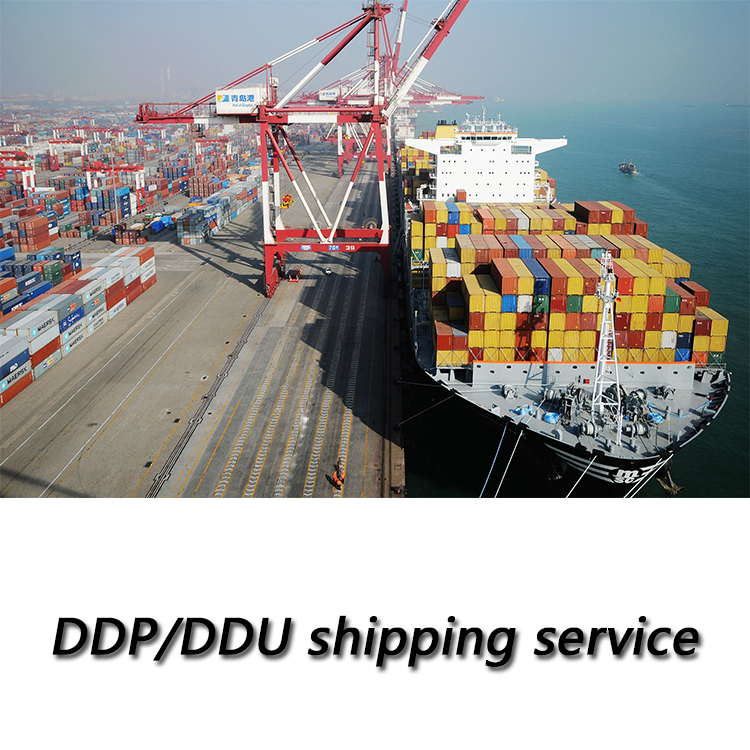
Using certified transport entities minimizes compliance risks. Industry credentials, such as the NVOCC (Non-Vessel Operating Common Carrier) certification, ensure that cargo handlers follow international maritime standards and cooperate with established ocean carriers like COSCO, MAERSK, MSC, and EVERGREEN. For instance, in a heavy cargo export case involving 68 CBM of industrial machinery shipped to the UAE, verifying the weight of oversized crates using calibrated scales was critical to securing customs clearance and safe vessel loading without transport delays.
Data/Solution Comparison
The following table outlines the differences between the two approved SOLAS VGM determination methods and standard logistics parameters for ocean freight planning.
| Parameters / Methods | Method 1: Whole Container Weighing | Method 2: Cumulative Calculation |
|---|---|---|
| Application Suitability | Best for bulk, scrap, or heavy machinery cargo | Best for homogeneous goods, e.g., cosmetics, electronics |
| Required Equipment | Calibrated weighbridge or reach stacker scales | Certified platform scales and container tare weight |
| Ocean Freight MOQ | 1 CBM | 1 CBM |
| Standard Delivery Time | 25 - 30 days | 25 - 30 days |
| Carrier Options | COSCO, MAERSK, WANHAI, MSC, EVERGREEN, HMM | COSCO, MAERSK, WANHAI, MSC, EVERGREEN, HMM |
Frequently Asked Questions (FAQ)
What happens if the VGM is not submitted before the cut-off?
If the VGM is missing when the terminal closing deadline passes, the container will not be loaded onto the vessel. The shipper will also incur additional costs, including container demurrage, terminal storage, and re-booking fees.
Who is legally responsible for providing the VGM?
The shipper named on the Ocean Bill of Lading is always responsible for obtaining, documenting, and submitting the VGM to the ocean carrier and port terminal.
Is there an allowed tolerance limit for VGM discrepancies?
While the SOLAS regulation does not establish a universal global tolerance limit, most national maritime authorities enforce a variance limit between 2% and 5% of the actual weight.
Final Conclusion & Recommendations
Achieving compliance with SOLAS VGM rules requires strict adherence to certified weighing workflows, precise documentation, and coordination with licensed logistics partners. Utilizing experienced freight forwarders who manage the entire chain—from factory pickup and warehouse consolidation to terminal weighing—mitigates the risk of loading delays and penalties. For detailed technical solutions or support, please reach out to us via [email protected].
About Us
Speed International logistics Co.,Ltd is an A-class freight forwarder established in 2011 with a team of 80 employees. The company manages a 5,000 square meter main warehouse in Shenzhen and delivers comprehensive logistics solutions covering air freight, sea freight (LCL/FCL), railway shipping, and FBA shipping. Holding NVOCC and Aviation Class I Cargo certifications, the firm has served clients across multiple industries, managing international shipments to markets across the USA, Canada, Europe, and the Middle East. 
Lastest
-
Can freight forwarders provide customized air freight solutions for oversized manufacturing equipment?
2026-07-20 -
What is the minimum chargeable volume for LCL sea freight, and how can I negotiate better rates for bulk?
2026-07-20 -
What is the standard procedure for claiming compensation if my goods are damaged during an air freight transit?
2026-07-20 -
Are sea freight rates expected to drop next quarter, or should I look into alternative shipping methods now?
2026-07-20 -
What specific customs documents do I need to prepare to ensure smooth border crossings for railway freight?
2026-07-20
SUBSCRIBE
INQUIRY