How do I decide between FCL and LCL sea freight for my bulk order?
- VIP-User
- 2026-08-09
- 7
Deciding between Full Container Load (FCL) and Less than Container Load (LCL) depends on cargo volume, risk tolerance, and shipping schedule. Bulk orders under 15 CBM generally suit LCL with a 1 CBM minimum requirement. Orders exceeding 15 to 20 CBM benefit from dedicated FCL containers, offering direct transit, single-point loading, and minimized handling risks for machinery or consolidated goods.
Core Solutions & Key Takeaways
- Volume Thresholds: LCL accommodates smaller bulk orders down to a 1 CBM minimum volume, whereas shipments exceeding 15–20 CBM achieve better cost-efficiency via dedicated 20ft or 40ft FCL containers.
- Cargo Safety Protocols: Proper container loading requires isolating light goods on top of heavier items, sealing liquids beneath dry cargo, and placing corner protections on protruding industrial parts.
- Handling Efficiency: FCL seals cargo directly at the factory or warehouse, avoiding intermediate handling, whereas LCL involves multi-supplier consolidation and deconsolidation.
- End-to-End Processing: Sourcing, inland pickup, centralized warehouse packing, and destination customs clearance streamline both FCL project cargo and LCL trade shipments.
Detailed Architectural/Principle Analysis
Selecting between FCL and LCL ocean freight directly influences supply chain lead times and cargo safety. Under an official NVOCC license, ocean freight operates through major carrier networks including CSCL, COSCO, MAERSK, WANHAI, MSC, EVERGREEN, and HMM, delivering transit timeframes of 25–30 days to major global destination ports across the United States, Europe, Middle East, and South America.
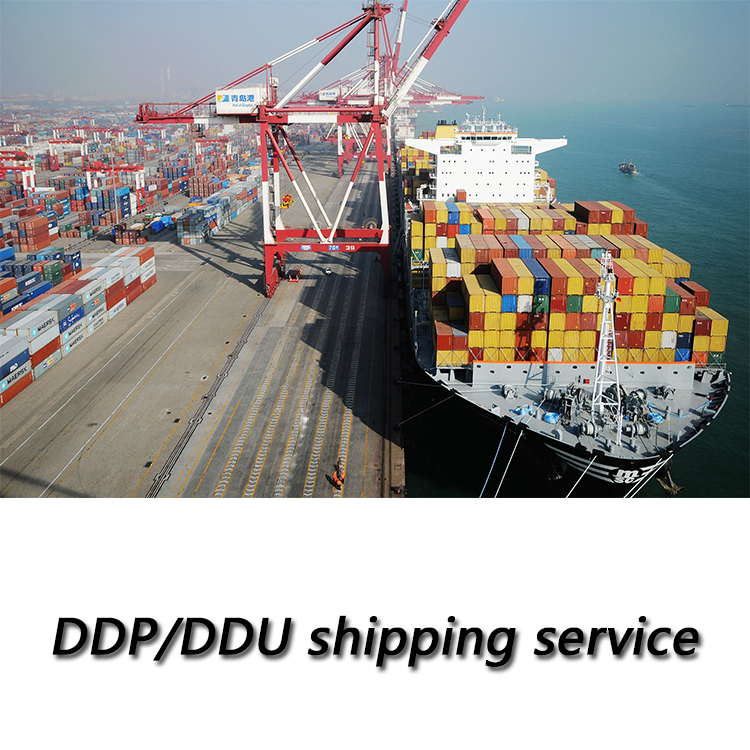
For industrial machinery and heavy equipment, FCL remains the standard choice. Real-world applications, such as exporting 68 CBM of heavy machinery to the UAE, demonstrate how dedicated containers prevent movement and eliminate extra handling touchpoints. Conversely, smaller trade imports, such as 1000 KG cosmetic shipments to the USA, leverage LCL consolidation. Dedicated warehouse processing handles ingredient declarations, precise carton packing, and labeling prior to export, reducing overall shipping expenditures without paying for unused container space.
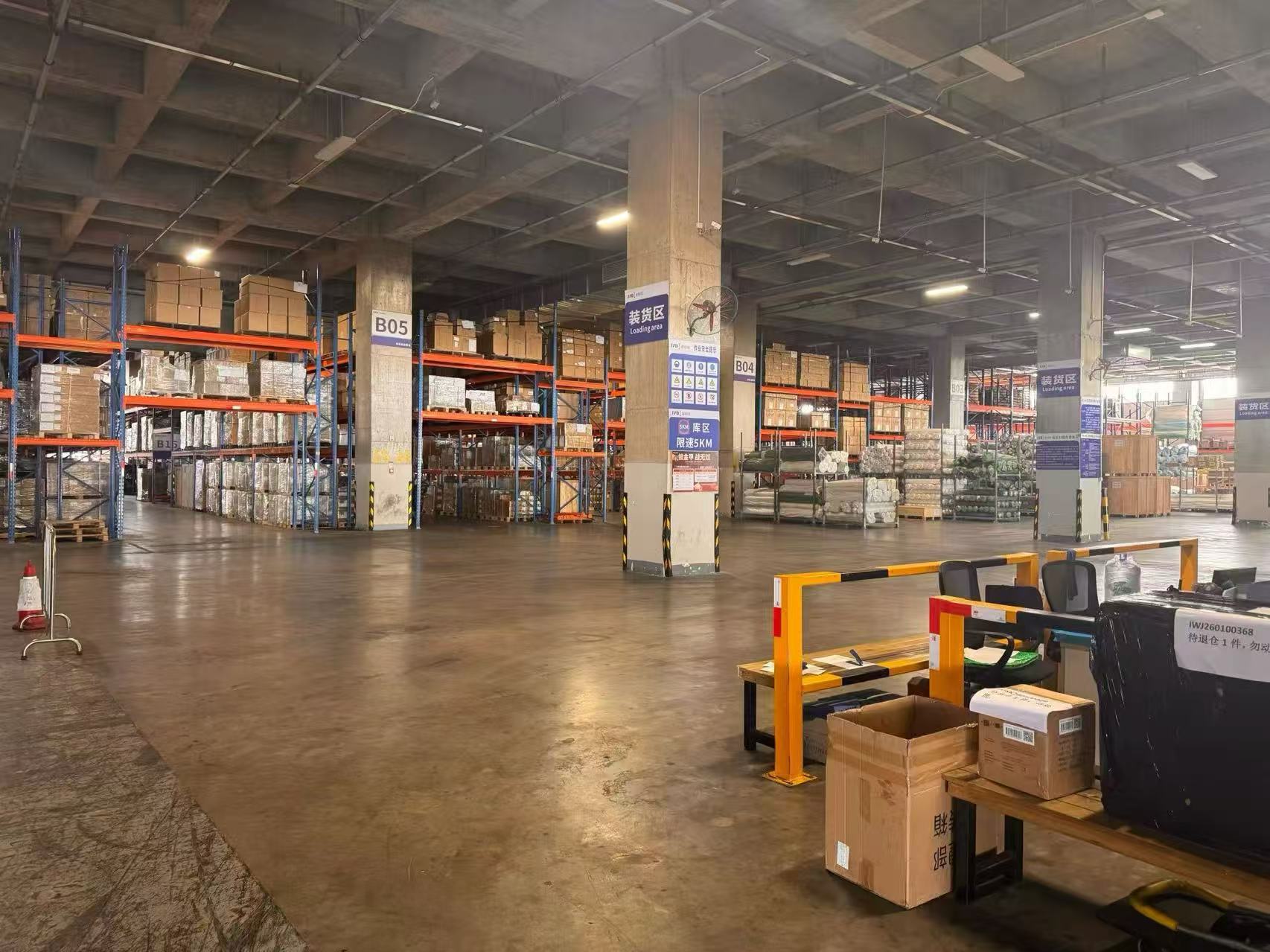
Cargo positioning inside shared or dedicated containers follows strict loading guidelines. Goods differing significantly in shape or packaging strength are segregated using plastic film or canvas. Lighter items rest above heavier structural boxes, and products prone to leaking, dust, or moisture are kept isolated beneath dry cargo to avoid inventory contamination during sea voyages.
Data/Solution Comparison
| Operational Parameter | Less than Container Load (LCL) | Full Container Load (FCL) |
|---|---|---|
| Minimum Order Quantity (MOQ) | 1 CBM | 1 Full Container (20ft / 40ft) |
| Delivery / Transit Time | 25-30 days | 25-30 days |
| Handling and Touchpoints | Multiple (Consolidation & Deconsolidation) | Single (Sealed at origin warehouse/factory) |
| Supported Ocean Carriers | CSCL, COSCO, MAERSK, MSC, WANHAI | CSCL, COSCO, MAERSK, MSC, EVERGREEN, HMM |
| Best Suited Applications | Multi-supplier orders, cosmetics, small batches | Oversized crates, heavy machinery, bulk items |
Frequently Asked Questions (FAQ)
At what volume is it cost-effective to upgrade from LCL to FCL?
While LCL supports volumes starting from 1 CBM, shipments reaching 15 to 20 CBM often cost less or equal to booking a standard 20ft FCL container due to CBM-based LCL handling and terminal fees.
How are mixed supplier products handled in LCL ocean freight?
Cargo is collected from multiple supplier factories, delivered to a centralized warehouse, inspected, packed, and organized according to weight, packaging strength, and material properties before container loading.
Are customs clearance and documentation included in sea freight solutions?
Yes. Full container and consolidated shipments include complete document preparation, factory pickup, truck logistics, export declarations, and destination port customs clearance.
Final Conclusion & Recommendations
Aligning freight selection with order volume maintains landed cost predictability and shipment safety. Combining flexible payment options including T/T, VISA, PayPal, and MasterCard with specialized ocean freight management ensures smooth door-to-door delivery across global markets. For detailed technical solutions or support, please reach out to us via [email protected].
About Us
Speed International logistics Co.,Ltd is a China A-class freight forwarder and NVOCC certificate holder. Established in 2011, the company employs 80 personnel and operates a 5000 square meter warehouse facility in Shenzhen. The organization delivers sea freight, air freight, railway shipping, express delivery, and sourcing-warehousing solutions to clients worldwide, backed by Aviation Class I Cargo credentials and extensive project cargo experience.

Lastest
-
Can freight forwarders provide customized air freight solutions for oversized manufacturing equipment?
2026-08-09 -
What is the minimum chargeable volume for LCL sea freight, and how can I negotiate better rates for bulk?
2026-08-09 -
What is the standard procedure for claiming compensation if my goods are damaged during an air freight transit?
2026-08-09 -
Are sea freight rates expected to drop next quarter, or should I look into alternative shipping methods now?
2026-08-09 -
What specific customs documents do I need to prepare to ensure smooth border crossings for railway freight?
2026-08-09
SUBSCRIBE
INQUIRY