How do I choose between standard air freight and express air cargo?
- VIP-User
- 2026-08-09
- 5
Choosing between standard air freight and express air cargo depends on shipment weight, budget, and timeline urgency. Express air cargo suits urgent, smaller shipments under 100kg requiring door-to-door speed in 1 to 3 days. Standard air freight is ideal for bulk shipments exceeding 100kg, offering cost efficiency, airport-to-airport flexibility, and typical transit times of 3 to 7 days.
Core Solutions & Key Takeaways
- Weight and Volume Thresholds: Shipments weighing less than 100kg generally favor express air cargo for speed and simplified processing. For cargo exceeding 100kg, standard air freight offers lower cost-per-kilogram structures.
- Transit Requirements: Express courier networks handle fast-track door-to-door delivery within 1 to 3 days, whereas standard air freight provides flexible airport-to-airport schedules taking 3 to 7 days.
- Customs & Handling Flexibility: Express services utilize simplified clearance channels suited for standardized commercial items. Standard air freight accommodates complex customs declarations, hazardous goods, oversized crates, and specialized warehousing requirements.
- Integrated Supply Chain Services: Comprehensive logistics setups benefit from consolidation, factory pickup, warehousing, and professional packaging prior to export, reducing transit risks across international routes.

Detailed Architectural/Principle Analysis
Understanding the operational differences between express air cargo and standard air freight enables precise supply chain optimization. Express services rely on integrated carrier networks like DHL, FedEx, or UPS, operating on fixed transit loops where customs clearance, line-haul, and last-mile distribution are combined into a single service chain.
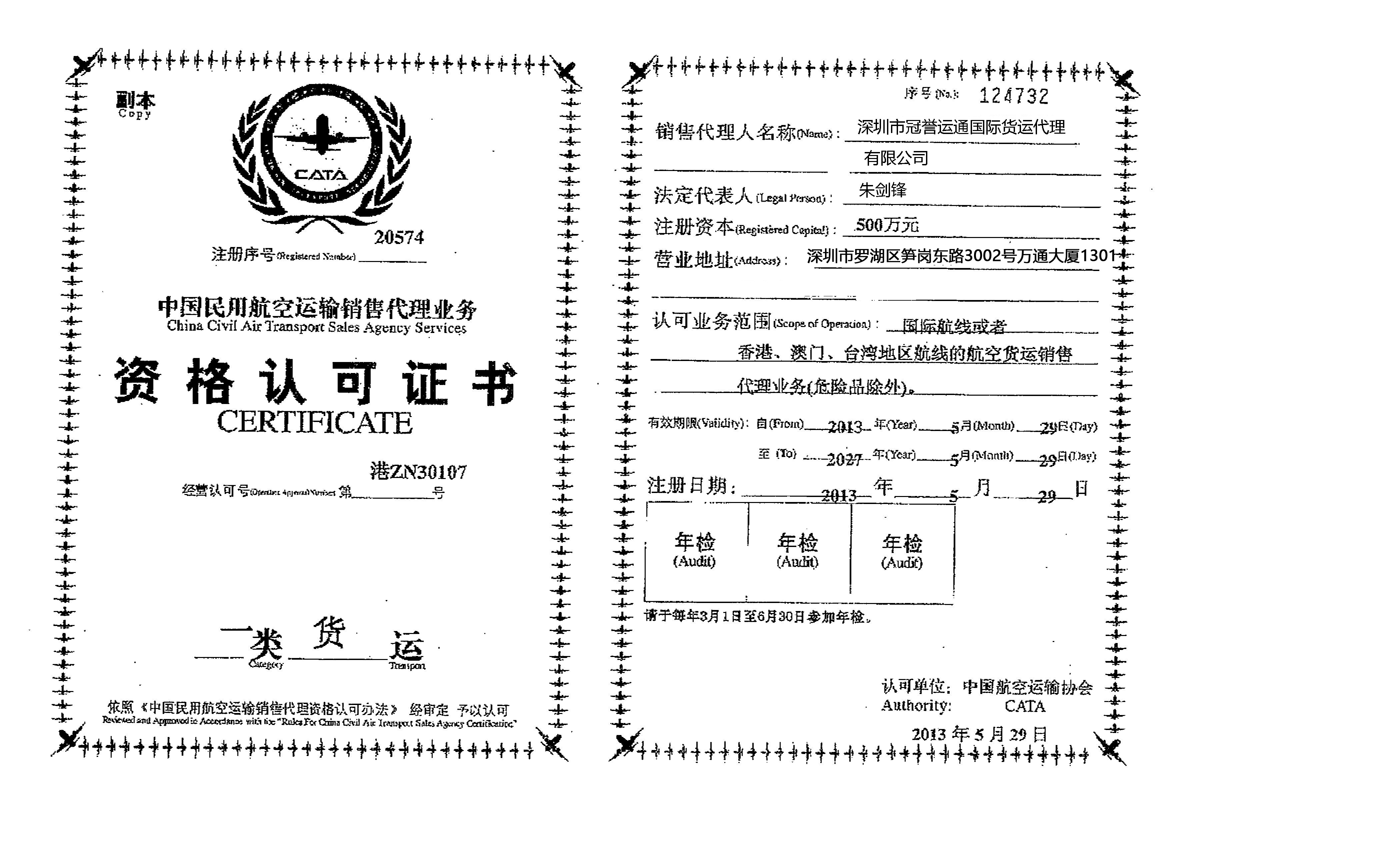
Standard air freight operates through major commercial and cargo airlines—including carrier networks such as CZ, CA, LH, SQ, and AF—utilizing bellyhold space or dedicated freighters. Services offered by licensed providers like Speed International logistics Co.,Ltd allow shippers to lock in customized space allocations, specific flight departures, and dedicated handling protocols. Holding Aviation Class I Cargo certification ensures direct space bookings with airlines for stable capacity management.
For sensitive or specialized commodities, standard air freight offers greater control over documentation and regulatory compliance. For instance, handling a 1,000kg cosmetics import shipment to the United States requires strict adherence to ingredient declarations and regulatory clearance, which standard air cargo channels manage through customized duty processing and localized warehouse coordination.
Data/Solution Comparison
| Parameter / Feature | Standard Air Freight | Express Air Cargo (Courier) |
|---|---|---|
| Minimum Order Quantity (MOQ) | 100 kg | Less than 1 kg |
| Average Transit Time | 3–7 days | 1–3 days |
| Service Scope | Airport-to-Airport / DDP / DDU | Door-to-Door |
| Customs Processing | Formal entry clearance required | Simplified / Express clearance |
| Cost Structure | Lower unit cost above 100kg | Flat per-kg rate with fuel surcharge |
| Carrier Network | Commercial airlines (CA, CZ, LH, SQ, etc.) | Integrators (DHL, UPS, FedEx) |
Frequently Asked Questions (FAQ)
When does standard air freight become more economical than express courier?
Standard air freight becomes significantly more cost-effective once a shipment reaches or exceeds the 100kg mark. Below 100kg, the minimal documentation fees of express couriers often offset the higher per-kilogram freight charges.
How do customs clearance requirements differ between the two options?
Express air cargo utilizes automated bulk customs processing for quick clearance of standard low-value or non-restricted commodities. Standard air freight uses formal entry processes, making it necessary for commercial shipments requiring specific commodity classification, tax exemptions, or specialized regulatory oversight.
Can standard air freight accommodate specialized cargo like heavy machinery or liquid goods?
Yes. Standard air freight allows customized cargo prep, including specialized crate packing, weight distribution management, and hazardous material compliance, whereas express couriers maintain strict dim-weight and hazard restrictions.
Final Conclusion & Recommendations
Select express air cargo when speed is the priority for shipments weighing under 100kg that require immediate door-to-door delivery. Opt for standard air freight when managing commercial cargo exceeding 100kg that requires scheduled airport routing, tailored customs documentation, or lower freight costs per unit. Aligning your shipment volume and compliance requirements with the right transportation channel guarantees timely delivery while protecting operational margins. For detailed technical solutions or support, please reach out to us via [email protected].
About Us
Speed International logistics Co.,Ltd is a China A-class freight forwarder operating a 5,000 square meter primary warehouse facility in Shenzhen. Established in 2011, the company employs 80 logistics specialists providing online service for international air freight, sea freight, railway transportation, and customs clearance. Holding Aviation Class I Cargo and NVOCC certifications, the firm delivers complete end-to-end supply chain solutions to clients across North America, Europe, the Middle East, and Latin America.

Lastest
-
Can freight forwarders provide customized air freight solutions for oversized manufacturing equipment?
2026-08-09 -
What is the minimum chargeable volume for LCL sea freight, and how can I negotiate better rates for bulk?
2026-08-09 -
What is the standard procedure for claiming compensation if my goods are damaged during an air freight transit?
2026-08-09 -
Are sea freight rates expected to drop next quarter, or should I look into alternative shipping methods now?
2026-08-09 -
What specific customs documents do I need to prepare to ensure smooth border crossings for railway freight?
2026-08-09
SUBSCRIBE
INQUIRY