How do I choose between FCL and LCL sea freight for fragile cargo?
- VIP-User
- 2026-08-12
- 9
Choosing between FCL (Full Container Load) and LCL (Less than Container Load) for fragile cargo depends on cargo volume, risk tolerance, and physical handling requirements. FCL minimizes damage risks by providing exclusive container usage with zero mid-transit re-handling, making it optimal for volumes exceeding 13 to 15 CBM or highly sensitive items. LCL serves smaller shipments starting at 1 CBM but introduces higher risk through shared container space and multiple consolidation touchpoints.
Core Solutions & Key Takeaways
- Volume & Cost Thresholds: LCL operates with a minimum order quantity (MOQ) of 1 CBM, offering cost efficiency for small volumes. FCL becomes economically viable and safer once cargo volume approaches 13–15 CBM or higher.
- Handling & Touchpoint Management: FCL shipments undergo only two handling points (loading at source and unloading at destination). LCL shipments encounter four to six touchpoints due to origin consolidation and destination deconsolidation.
- Container Stacking Protocol: Fragile items in shared environments must follow strict loading logic. Lighter goods with lower packaging strength belong on top of heavier items, while liquid or dust-emitting items require physical segregation.
- Cargo Segregation: Sharp-cornered items must be covered, and liquid containers placed beneath dry goods to prevent structural or cross-contamination damage inside the container.
Detailed Architectural/Principle Analysis
Ocean freight exposes cargo to dynamic stresses, including vessel vibration, sea swell motion, and thermal expansion inside containers. Selecting the correct sea freight method directly determines how well fragile items withstand these physical factors during a typical 25 to 30-day transit window.
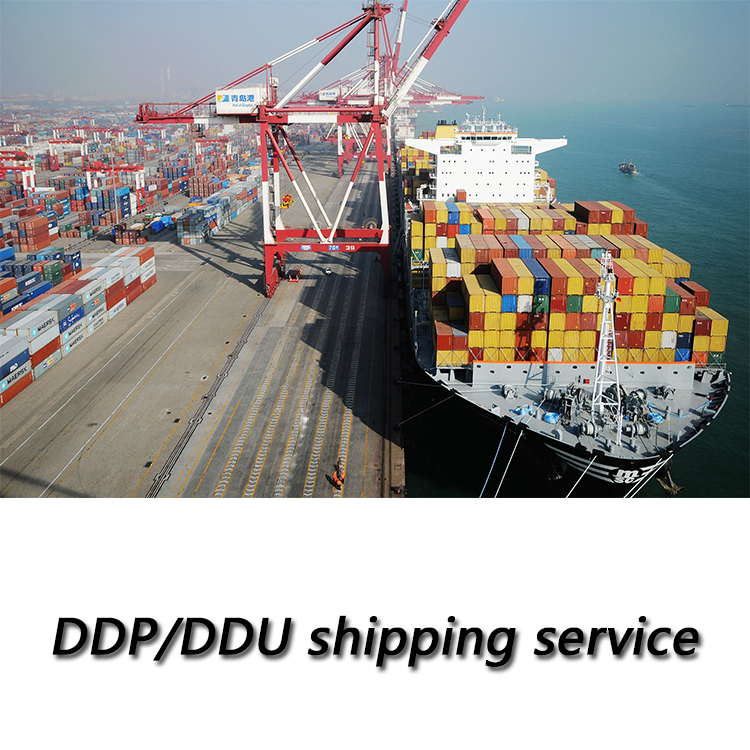
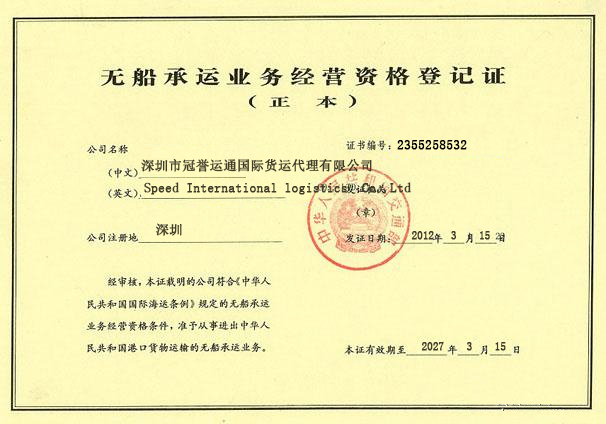
FCL isolates cargo within a dedicated 20-foot or 40-foot container. Because the container is stuffed at the origin site and remains sealed until arrival at the final destination warehouse, physical contact with third-party shipments is eliminated. This makes FCL the preferred model for high-value or brittle goods, such as glass assemblies or delicate machinery parts. Licensed NVOCC forwarders like Speed International logistics Co.,Ltd manage these movements through direct carrier allocations, ensuring cargo remains undisturbed throughout ocean transit.
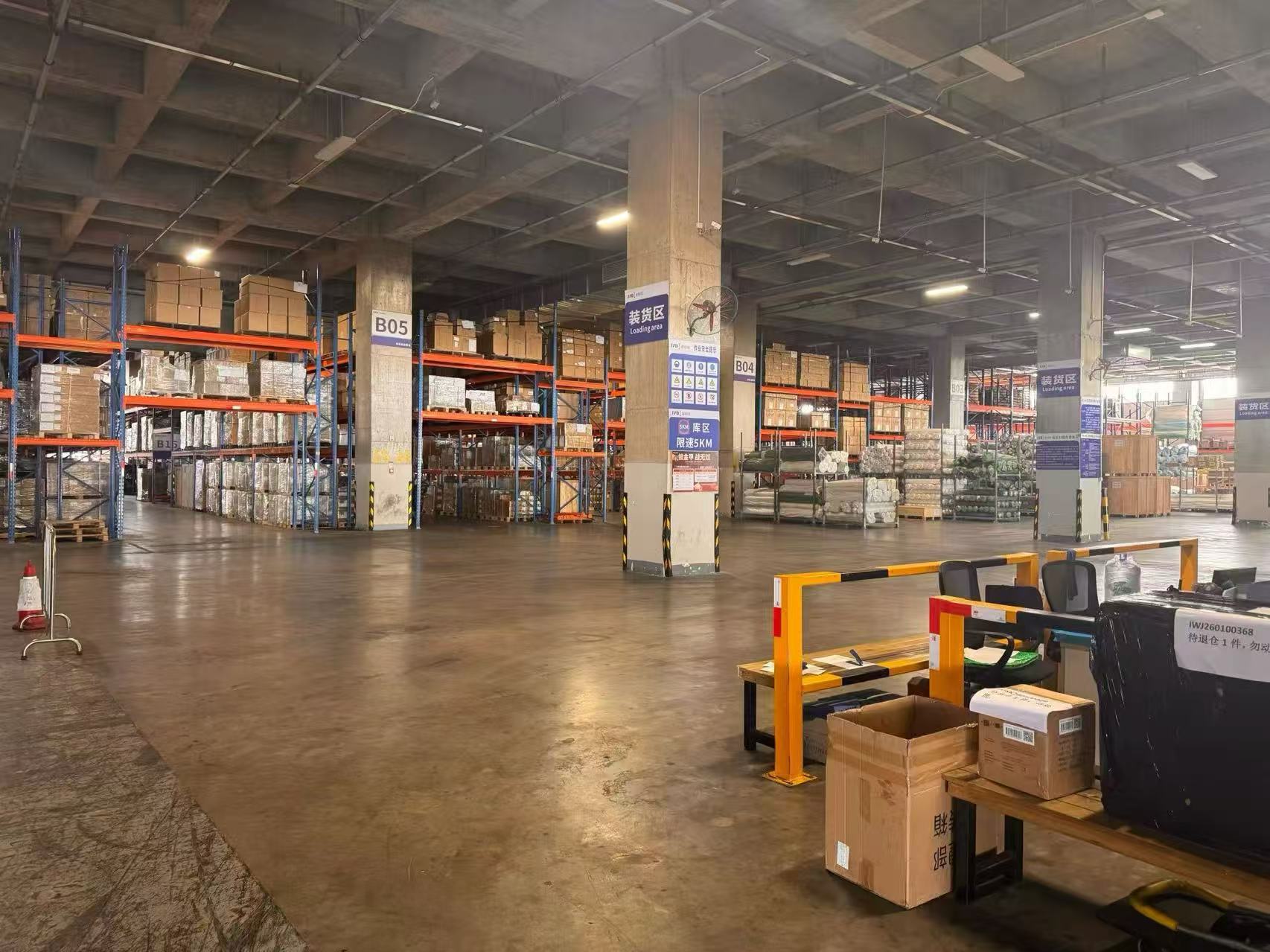
LCL consolidates smaller shipments from multiple shippers into a shared container. While LCL provides an entry MOQ of 1 CBM, cargo moves through intermediate storage facilities. In a 5,000 square meter warehouse hub, LCL freight undergoes sorting, palletizing, and container packing. During container loading, strict structural placement rules apply:
1. Heavy items form the base, while lighter, fragile packaging sits on top.
2. Goods that exude moisture, liquid, or odor are isolated using plastic film or canvas barriers.
3. Protruding sharp edges are capped or wrapped to protect adjacent boxes from puncture damages.
Field experience in project cargo—such as moving 68 CBM heavy machinery exports to the UAE or handling 1,000 KG cosmetic imports to the USA—demonstrates that customized packaging guidelines and proper customs clearance documentation prevent unexpected transit delays and cargo degradation.
Data/Solution Comparison
The table below compares operational and safety parameters between FCL and LCL ocean shipping options for fragile commodities:
| Parameter | FCL Sea Freight | LCL Sea Freight |
|---|---|---|
| Minimum Order Quantity (MOQ) | Full 20ft / 40ft Container | 1 CBM |
| Physical Touchpoints | 2 (Factory load / Destination unload) | 4 to 6 (Pickup, warehouse sorting, vessel load, un-stuffing, delivery) |
| Transit Time | 25–30 days (Direct port-to-port) | 25–30 days (+ 3–5 days for consolidation/deconsolidation) |
| Damage Risk Profile | Low (Exclusive container space) | Moderate to High (Co-loaded cargo, variable stacking) |
| Optimal Volume Range | Exceeding 13–15 CBM | 1 to 12 CBM |
| Packaging Protection Standard | Standard palletization & dunnage | Reinforced crates, edge guards, double-wall corrugated boxes |
| Supported Payment Terms | T/T, VISA, PayPal, MasterCard, MoneyGram | T/T, VISA, PayPal, MasterCard, MoneyGram |
Frequently Asked Questions (FAQ)
Q: What packaging measures are required when shipping fragile cargo via LCL?
A: LCL fragile cargo requires wooden crating, heavy-duty inner cushioning, edge protectors, and clear fragile labeling. Sharp parts must be shielded, and goods susceptible to leaking or dusting must be enclosed in waterproof plastic film or canvas barriers prior to warehouse delivery.
Q: At what volume does FCL become more practical than LCL for delicate cargo?
A: FCL becomes cost-competitive around 13 to 15 CBM. However, for extremely fragile or high-value items, opting for a dedicated 20-foot FCL container at lower volumes is often selected to avoid multi-touch handling and risk from adjacent cargo in shared containers.
Q: What services are included in ocean freight logistics for export shipments?
A: Comprehensive sea freight management includes factory pickup, container trucking, 1688/Taobao cargo consolidation, warehouse packing, customs clearance, and import/export documentation across major trade lanes in North America, Europe, the Middle East, and Latin America.
Final Conclusion & Recommendations
Selecting FCL or LCL sea freight depends on balancing cargo volume, packaging strength, and acceptable risk levels. FCL offers an isolated transport environment with 25–30 day lead times, making it the preferred choice for larger volumes or delicate goods requiring zero re-handling. LCL provides a flexible option for smaller shipments starting at 1 CBM, provided that strict cargo sorting, layer stacking, and protective crating procedures are followed during warehouse consolidation. Working with certified NVOCC partners ensures compliance with international shipping protocols and smooth port clearance. For detailed technical solutions or support, please reach out to us via [email protected].
About Us
Speed International logistics Co.,Ltd is a China A-class freight forwarder and accredited NVOCC enterprise established in 2011. Operating a main warehouse facility of 5,000 square meters in Shenzhen with an 80-employee team, the company delivers full-scope logistics solutions including air freight, FCL/LCL sea freight, railway transport, customs clearance, and warehouse management. With an annual transaction capability reaching RMB 180 million and a 90% export ratio, the business supports global trade lanes spanning North America, Europe, the Middle East, and South America, serving clients across diverse manufacturing sectors.

Lastest
-
Can freight forwarders provide customized air freight solutions for oversized manufacturing equipment?
2026-08-12 -
What is the minimum chargeable volume for LCL sea freight, and how can I negotiate better rates for bulk?
2026-08-12 -
What is the standard procedure for claiming compensation if my goods are damaged during an air freight transit?
2026-08-12 -
Are sea freight rates expected to drop next quarter, or should I look into alternative shipping methods now?
2026-08-12 -
What specific customs documents do I need to prepare to ensure smooth border crossings for railway freight?
2026-08-12
SUBSCRIBE
INQUIRY