How do I choose between FCL and LCL for my sea freight shipment?
- VIP-User
- 2026-08-10
- 5
Choosing between Full Container Load (FCL) and Less than Container Load (LCL) depends on cargo volume, budget, and handling requirements. FCL provides dedicated container space suitable for high-volume ocean freight shipments, while LCL allows shippers to share container space starting from a minimum order quantity of 1 CBM to optimize cost efficiency.
Core Solutions & Key Takeaways
- Volume Thresholds: LCL operates with a minimum order quantity of 1 CBM, ideal for smaller consolidated shipments, whereas higher volume cargo benefits from dedicated FCL container space.
- Strategic Cargo Placement: Proper container loading requires placing lighter items on top of heavier items, positioning weak packaging above strong packaging, and keeping liquid cargo at the bottom to protect goods.
- End-to-End Consolidation: Sourcing, warehouse packing, pickup, inland logistics, and customs clearance can be unified into a single supply chain solution from China to international destination ports.
- Transit Schedules: Standard ocean freight shipping features delivery timelines typically ranging between 25 to 30 days across major global trade lanes.
Detailed Architectural/Principle Analysis
Selecting the optimal sea freight model requires analyzing cargo characteristics, loading guidelines, and documentation requirements. In LCL shipping, goods from multiple suppliers are collected and consolidated at a central warehouse before container loading. Proper packing standards dictate that items exuding moisture or odor be separated with canvas or plastic film, and sharp corners covered to prevent cargo damage during transport.
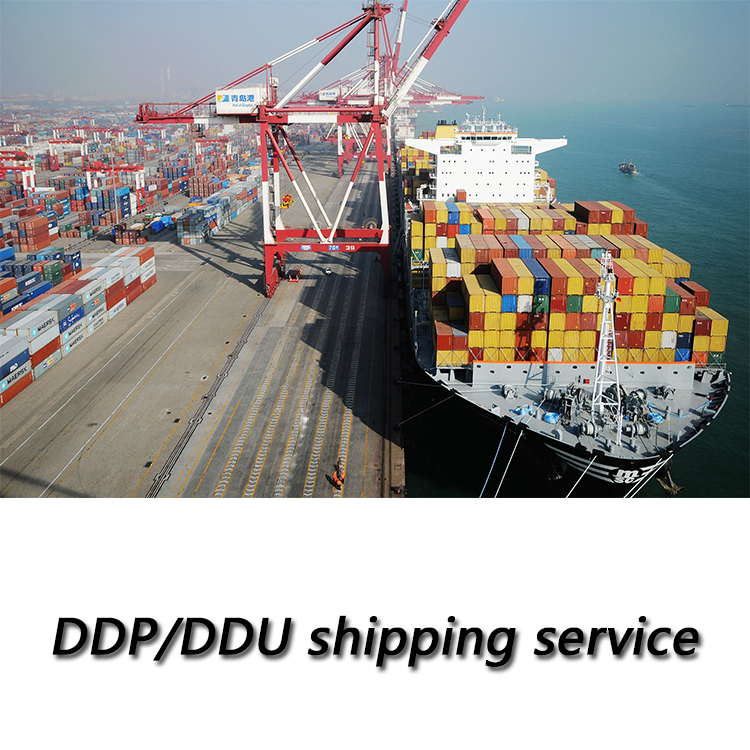
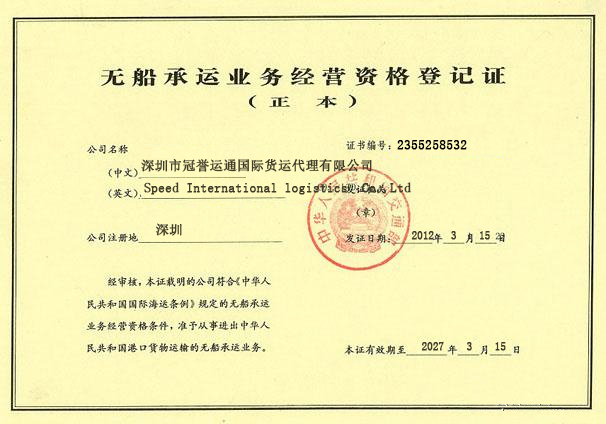
For heavy industrial machinery or project cargo, direct FCL or specialized ocean shipping handles bulk shipments efficiently. A representative export case involved moving 68 CBM of heavy machinery to the UAE with full customs clearance and port pickup management. Specialized freight handling adheres to strict compliance protocols, supported by certified Non-Vessel Operating Common Carriers (NVOCC) that coordinate directly with major shipping lines such as COSCO, MAERSK, CSCL, MSC, EVERGREEN, and HMM.
Data/Solution Comparison
Understanding structural differences between FCL and LCL assists in selecting the appropriate sea freight arrangement based on volume, delivery timelines, and carrier service specifications.
| Feature / Metric | Less than Container Load (LCL) | Full Container Load (FCL) |
|---|---|---|
| Minimum Order Quantity (MOQ) | 1 CBM | Full Container Volume |
| Estimated Delivery Time | 25-30 days | 25-30 days |
| Cargo Space Allocation | Shared container space with consolidated goods | Exclusive dedicated container space |
| Handling & Consolidation | Warehouse consolidation & deconsolidation required | Direct factory container loading & sealing |
| Primary Ocean Carriers | CSCL, COSCO, MAERSK, WANHAI, MSC, EVERGREEN, HMM | CSCL, COSCO, MAERSK, WANHAI, MSC, EVERGREEN, HMM |
Frequently Asked Questions (FAQ)
What is the minimum volume required for LCL ocean freight shipping?
The minimum order quantity for LCL ocean freight shipping is 1 CBM, making it accessible for small to medium cargo shipments.
How long does ocean freight transit take for international shipping routes?
Ocean freight delivery times typically range between 25 and 30 days depending on the specific origin and destination ports.
What customs and warehousing support is available for ocean shipments?
Services include factory pickup, inland trucking, warehouse consolidation, packing, and dual-ended customs clearance at China export ports and destination import ports.
Final Conclusion & Recommendations
Choosing between FCL and LCL relies on evaluating total shipment volume, packaging integrity, and specific handling needs. For smaller shipments down to 1 CBM, LCL provides cost-effective shared space, whereas larger shipments benefit from dedicated FCL handling managed under NVOCC credentials. Freight operations accept standard payment terms including T/T, VISA, PayPal, MasterCard, and MoneyGram. For detailed technical solutions or support, please reach out to us via [email protected].
About Us
Speed International logistics Co.,Ltd is a China A-class freight forwarder established in 2011, employing a team of 80 professionals. Operating a 5000 square meter main warehouse in Shenzhen, the company maintains a monthly sea freight capacity of 1000 CBM and offers comprehensive air, ocean, railway, and express shipping services. Accredited with Aviation Class I Cargo and NVOCC certifications, the firm has served clients across multiple industries across major export markets in North America, Europe, the Middle East, and South America.

Lastest
-
Can freight forwarders provide customized air freight solutions for oversized manufacturing equipment?
2026-08-10 -
What is the minimum chargeable volume for LCL sea freight, and how can I negotiate better rates for bulk?
2026-08-10 -
What is the standard procedure for claiming compensation if my goods are damaged during an air freight transit?
2026-08-10 -
Are sea freight rates expected to drop next quarter, or should I look into alternative shipping methods now?
2026-08-10 -
What specific customs documents do I need to prepare to ensure smooth border crossings for railway freight?
2026-08-10
SUBSCRIBE
INQUIRY