How do I calculate chargeable weight vs actual weight for air freight shipments?
- VIP-User
- 2026-08-11
- 7
To calculate chargeable weight for air freight shipments, determine the actual gross weight on a scale and calculate the volumetric weight using the formula length times width times height in centimeters divided by 6000. Compare the actual weight in kilograms against the volumetric weight in kilograms. The larger value between the two is billed as the chargeable weight.
Core Solutions & Key Takeaways
- Actual Weight (Gross Weight): Total physical weight of the packaged cargo, including pallets and packing materials, measured via certified scales.
- Dimensional (Volumetric) Weight Formula: For standard international air freight, volumetric weight in kilograms equals total volume in cubic centimeters divided by 6000 (or total cubic meters multiplied by 167 kg/CBM).
- Billing Principle: Airlines assess freight charges based on whichever numeric value is greater to optimize aircraft spatial capacity and lift payload limits.
- Cargo Density Management: Proper cargo stacking directly impacts volumetric overhead. Placing lighter goods atop high-density packaging prevents structural damage while maximizing container load factor during sourcing, consolidation, and warehouse packing.
Detailed Architectural/Principle Analysis
Air transport pricing relies on spatial efficiency. Aircraft hold space is constrained by both structural weight limits and physical volumetric capacity. Standard air transport protocols established by international aviation standards utilize a standard volumetric ratio of 1:6000 for general air cargo. When calculating total billable metrics, freight forwarders evaluate cargo dimensions alongside scale measurements.
To compute volumetric weight, measure the longest points of the outer carton or pallet across length, width, and height in centimeters. Multiply these three metrics to find the volume in cubic centimeters and divide by 6000. For instance, a box measuring 120 cm x 80 cm x 100 cm has a total volume of 960,000 cm³. Dividing by 6000 yields a volumetric weight of 160 kg. If the physical gross weight registered on a scale is 120 kg, the airline bills the cargo at 160 kg chargeable weight. Conversely, if dense industrial items in the same box weigh 220 kg actual scale weight, the chargeable weight defaults to 220 kg.
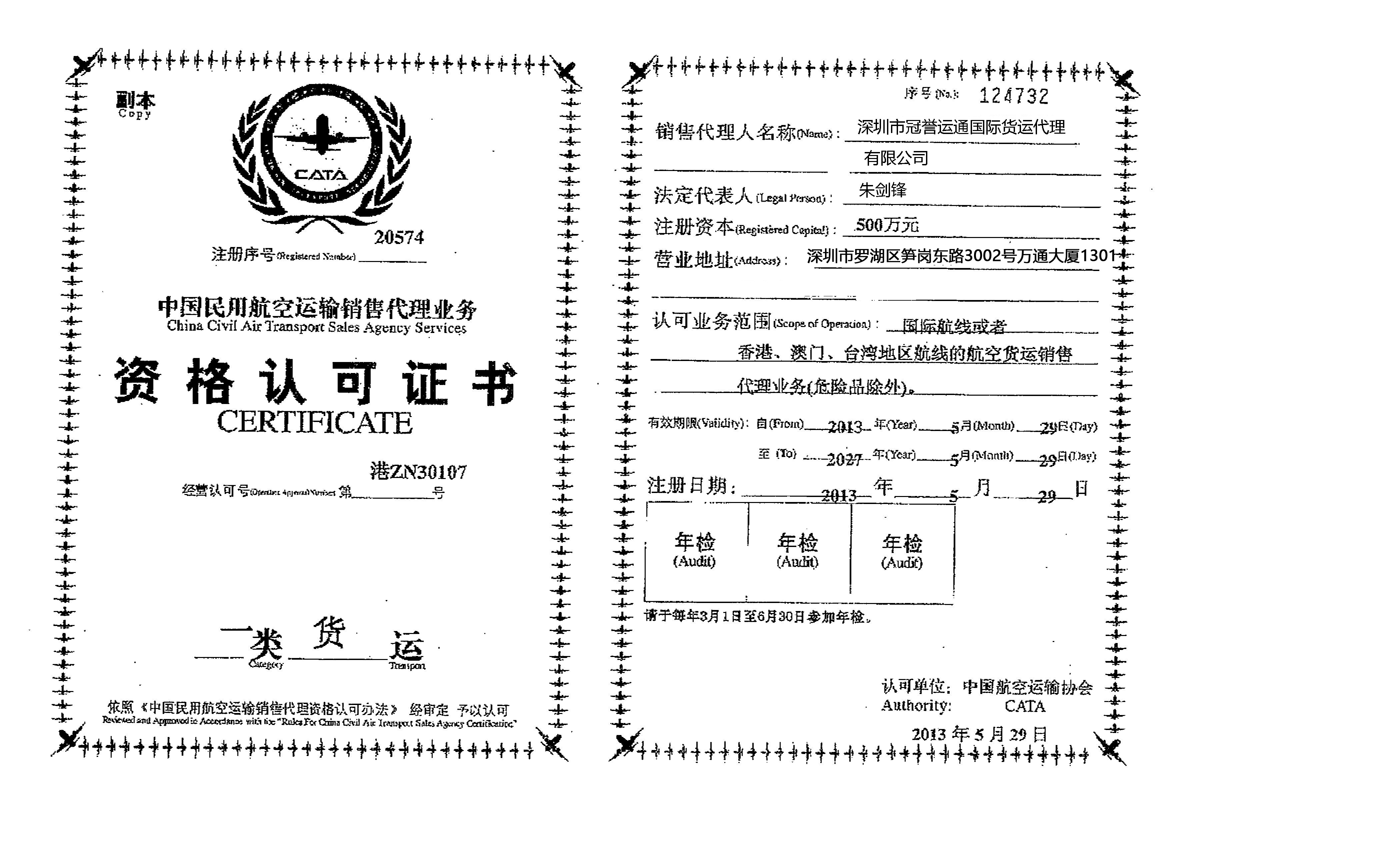
Operational handling and documentation accuracy are validated through recognized industry standards, such as Aviation Class I Cargo certification. Real-world shipping operations require specialized handling depending on commodity density. For instance, in an American cosmetics import project involving 1000 kg of cargo, strict adherence to ingredient declaration, protective packaging, and dimensional precision ensured accurate weight declaration without customs holds or unexpected volumetric weight adjustments.
In heavy machinery transport, such as a 68 CBM project cargo export to the UAE, actual weight typically exceeds volumetric calculations. In contrast, general retail items often trigger volumetric billing. Sourcing, warehousing, and cargo consolidation services allow shippers to group high-density cargo with low-density items to optimize total chargeable weight before export customs clearance.
Data/Solution Comparison
Different shipping channels employ varying conversion divisors and operational metrics when calculating chargeable parameters across global logistics networks.
| Logistics Mode | Volumetric Conversion Formula | Density Factor Ratio (CBM to KG) | Minimum Order Quantity (MOQ) | Estimated Transit Time |
|---|---|---|---|---|
| Standard Air Freight | (L x W x H in cm) / 6000 | 1 CBM = 167 kg | 100 kg | 3-7 days |
| Express Courier (DHL/FEDEX/UPS) | (L x W x H in cm) / 5000 | 1 CBM = 200 kg | 0.5 kg | 2-5 days |
| Sea Freight (LCL) | (L x W x H in meters) | 1 CBM = 1000 kg | 1 CBM | 25-30 days |
Frequently Asked Questions (FAQ)
What is the standard volumetric divisor for international air freight vs express delivery?
Standard air freight typically utilizes a divisor of 6000 (1 CBM = 167 kg), whereas commercial express courier channels such as DHL, FedEx, and UPS generally employ a divisor of 5000 (1 CBM = 200 kg), resulting in higher volumetric weight results for express shipments.
How do irregular packaging or bulges affect dimensional weight calculations?
Air carriers calculate volume using the maximum outer dimension along each axis (longest length, widest width, and highest height). Any external bulge or protruding edge increases the calculated dimensions for the entire package.
What is the minimum billable weight threshold for standard air cargo exports?
Standard air freight services generally require a minimum order quantity (MOQ) threshold of 100 kg chargeable weight per Master Air Waybill (MAWB) shipment.
Final Conclusion & Recommendations
Accurate calculation of chargeable weight prevents unexpected freight surcharges and optimizes international supply chain budgeting. Shippers should evaluate product density prior to dispatch, selecting appropriate air carriers and packaging formats to align with operational requirements. Utilizing standard air freight solutions backed by Aviation Class I Cargo authorization ensures efficient cargo consolidation and streamlined customs handling. Supported commercial trade solutions include flexible payment methods such as T/T, VISA, PayPal, MasterCard, and MoneyGram, combined with comprehensive air, sea, railway, and courier transport routes. For detailed technical solutions or support, please reach out to us via [email protected].
About Us
Speed International logistics Co.,Ltd is an established logistics provider operating since 2011. Supported by a professional team of 80 employees and a 5000 square meters main warehouse facility in Shenzhen, the company maintains an export ratio of 90% across major global markets. Holding official Aviation Class I Cargo and NVOCC certifications, the company delivers end-to-end freight forwarding, customs clearance, consolidation, and warehouse management across international trade routes.

Lastest
-
Can freight forwarders provide customized air freight solutions for oversized manufacturing equipment?
2026-08-11 -
What is the minimum chargeable volume for LCL sea freight, and how can I negotiate better rates for bulk?
2026-08-11 -
What is the standard procedure for claiming compensation if my goods are damaged during an air freight transit?
2026-08-11 -
Are sea freight rates expected to drop next quarter, or should I look into alternative shipping methods now?
2026-08-11 -
What specific customs documents do I need to prepare to ensure smooth border crossings for railway freight?
2026-08-11
SUBSCRIBE
INQUIRY