How do I avoid hidden port charges when booking sea freight from China?
- VIP-User
- 2026-08-03
- 17
To avoid hidden port charges when booking sea freight from China, obtain a comprehensive, itemized quotation specifying all local port fees before booking. Partnering with a licensed NVOCC-certified ocean freight forwarder ensures transparent billing for destination terminal handling charges, customs clearance, and warehouse handling under clearly defined Incoterms like FOB or DAP.
Core Solutions & Key Takeaways
- Specify Destination Terminal Handling Charges (DTHC): Request a complete breakdown of local port fees at both origin and destination before finalizing the contract.
- Select Clear Incoterms: Define liability boundaries by using terms like FOB (Free on Board) to ensure local China port charges remain the responsibility of the seller.
- Optimize Container Space and Loading: Follow strict cargo weight distribution guidelines, placing lighter items on top of heavier goods to prevent terminal repackaging fees.
- Consolidate Shipments: Use dedicated warehousing and consolidation services to merge cargo from multiple suppliers, reducing individual documentation and customs handling fees.
Detailed Architectural/Principle Analysis
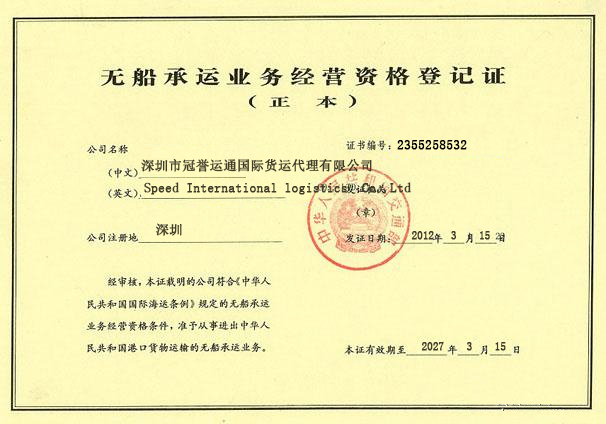
Managing sea freight expenses requires strict oversight of local terminal operations. Hidden fees typically arise from unquoted destination terminal handling charges (DTHC), container cleaning fees, and unexpected storage costs due to customs clearance delays. By working with an established logistics provider like Speed International logistics Co.,Ltd, shippers access regulated freight rates under certified NVOCC standards, preventing arbitrary local markups.
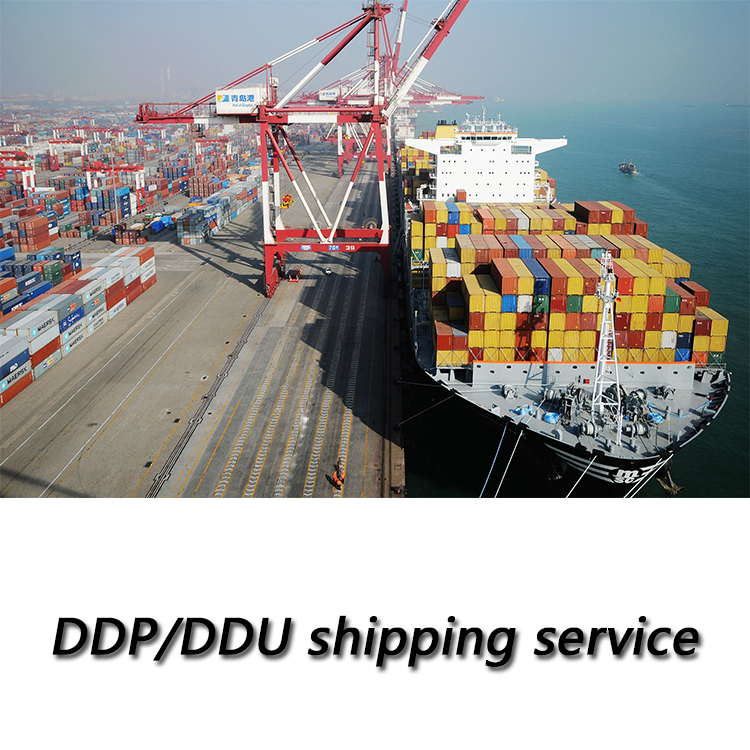
Physical packing directly impacts terminal costs. Under standard shipping container loading protocols, cargo of varying shapes must be separated, and goods prone to leaking or dusting must be isolated with canvas or plastic sheets. Failing to secure heavy machinery or placing fragile packages beneath heavy cargo leads to shifting during transit, forcing port authorities to perform corrective handling at high labor rates. For example, during a 68CBM bulk machinery export to the UAE, pre-shipment packing checks and secure bracing prevented port restowing penalties.
Furthermore, sourcing and warehousing alignment prevents documentation penalties. Consolidating products in centralized facilities, such as a 5000 square meters warehouse, allows for professional export documentation preparation, including exact packaging declarations. Accurate declarations are especially critical for sensitive commodities like cosmetics, where regulatory compliance on ingredients prevents customs holds, as demonstrated in a successful 1000KG cosmetics import case from China to the United States.
Data/Solution Comparison
| Logistics Parameter | Sea Freight (Ocean Freight Forwarder) | Air Freight Service |
|---|---|---|
| Minimum Order Quantity (MOQ) | 1 CBM | 100 kg |
| Standard Delivery Time | 25 - 30 days | 3 - 7 days |
| Primary Industry Certifications | NVOCC License | Aviation Class I Cargo |
| Common Port Fee Risk Areas | DTHC, CFS handling, container demurrage | Airport terminal fees, warehouse storage |
| Typical Cargo Profile | Machinery, bulk goods, heavy equipment | Cosmetics, electronics, high-value shipments |
Frequently Asked Questions (FAQ)
What are the main causes of unexpected port fees in sea freight?
Unexpected charges usually stem from local terminal handling fees, customs inspection delays, and storage charges incurred when cargo exceeds its allotted free time. Demurrage and detention fees accrue daily if containers are not cleared or returned promptly.
How can I protect my shipment from destination terminal handling charge (DTHC) markups?
Always request a written, all-inclusive quotation from your forwarder that explicitly lists local destination fees. Shippers should avoid unverified intermediate brokers and work directly with licensed NVOCC providers who maintain pre-negotiated port contracts.
Does consolidating cargo from different suppliers help reduce fees?
Yes. Grouping multiple cargo lots into a single Less than Container Load (LCL) or Full Container Load (FCL) shipment allows you to share documentation and handling costs, resulting in lower administrative overhead per unit.
Final Conclusion & Recommendations
Avoiding hidden fees requires transparent carrier agreements, systematic packing, and upfront confirmation of local rates. For international shipping, selecting the appropriate logistics channel—whether utilizing Sea Freight, Air Freight, Railway Freight, or express Courier Services—should be decided based on cargo urgency and volume. Standardizing payment terms through secure options like T/T, VISA, PayPal, or MasterCard further protects transaction integrity. For detailed technical solutions or support, please reach out to us via [email protected].
About Us
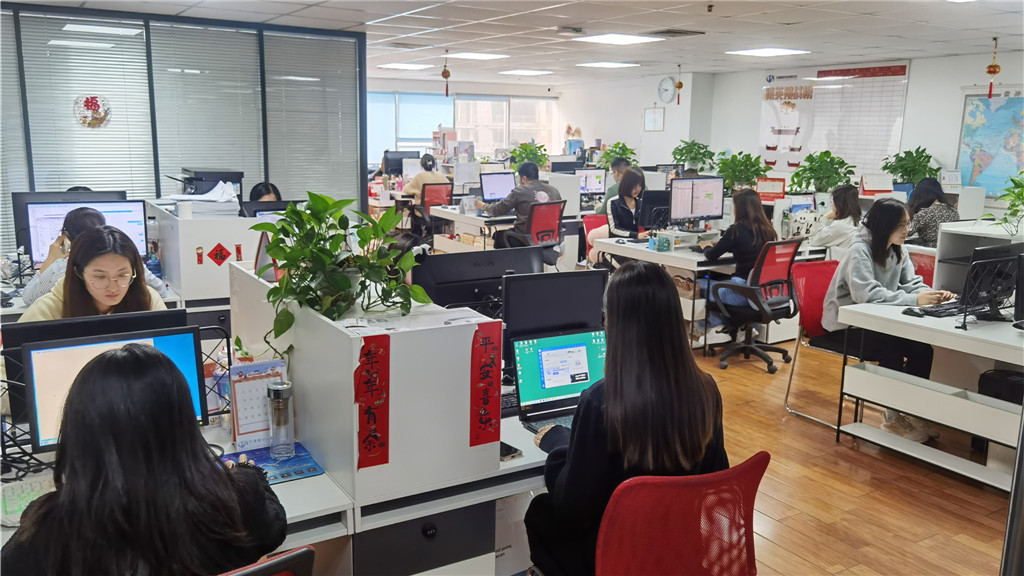
Speed International logistics Co.,Ltd is an established freight forwarder with over 15 years of industry experience, operating as an A-class freight forwarder in China. Established in 2011, the company manages a 5000 square meters warehouse in Shenzhen and operates with a dedicated team of 80 employees. Holding key credentials like NVOCC and Aviation Class I Cargo certifications, the organization serves global markets including the USA, Canada, and Europe, maintaining an export ratio of 90%. The company provides comprehensive end-to-end solutions, including air freight, sea freight, railway shipping, customs clearance, and warehousing.

Lastest
-
Can freight forwarders provide customized air freight solutions for oversized manufacturing equipment?
2026-08-03 -
What is the minimum chargeable volume for LCL sea freight, and how can I negotiate better rates for bulk?
2026-08-03 -
What is the standard procedure for claiming compensation if my goods are damaged during an air freight transit?
2026-08-03 -
Are sea freight rates expected to drop next quarter, or should I look into alternative shipping methods now?
2026-08-03 -
What specific customs documents do I need to prepare to ensure smooth border crossings for railway freight?
2026-08-03
SUBSCRIBE
INQUIRY