Can I ship temperature-sensitive goods via railway cargo lines?
- VIP-User
- 2026-07-29
- 3
Shipping temperature-sensitive goods via railway cargo lines is highly feasible through specialized refrigerated containers (reefers) and consolidated thermal logistics. Reliable railway freight forwarders leverage active temperature-controlled systems and passive insulation to maintain stable internal climates, preventing spoilage or degradation of delicate cargo during transit across long-distance overland networks.
Core Solutions & Key Takeaways
- Thermal Container Optimization: Utilizing specialized reefer containers with active cooling or heating ensures that products remain within specified thermal thresholds throughout the journey.
- Structured Packing and Loading: Adhering to strict loading guidelines prevents physical damage and maintains optimal airflow. Placing lighter goods on top of heavier items and wrapping sensitive packaging in protective plastic film prevents moisture or dust contamination.
- Sourcing and Consolidation: Consolidating cargo from various suppliers into localized, secure warehouses allows for uniform thermal packing and streamlined inspections before loading.
- Proactive Customs Clearance: Preparing destination-specific import and export documentation beforehand eliminates border delays, reducing the risk of container power loss or temperature fluctuations.
Detailed Architectural/Principle Analysis
Overland railway shipping relies on thermodynamic preservation principles to safeguard temperature-sensitive goods over long distances. Unlike standard dry vans, specialized reefers use integrated diesel generators or electrical connections from the train to power cooling compressors. For less sensitive cargo, passive cooling techniques—including heavy thermal blankets, insulated liners, and desiccants—absorb moisture and buffer against external ambient temperature changes during the 25-30 days transit period between Europe and Central Asia.
To ensure cargo safety, handlers apply precise structural loading techniques inside the containers. According to standardized shipping container loading protocols, items with weak packaging strength are positioned on top of robust materials to prevent compression. Goods with sharp corners are covered to protect adjacent thermal liners from tearing. Furthermore, substances prone to exuding moisture, dust, or odors are physically isolated using high-density canvas or plastic film barriers to avoid cross-contamination.
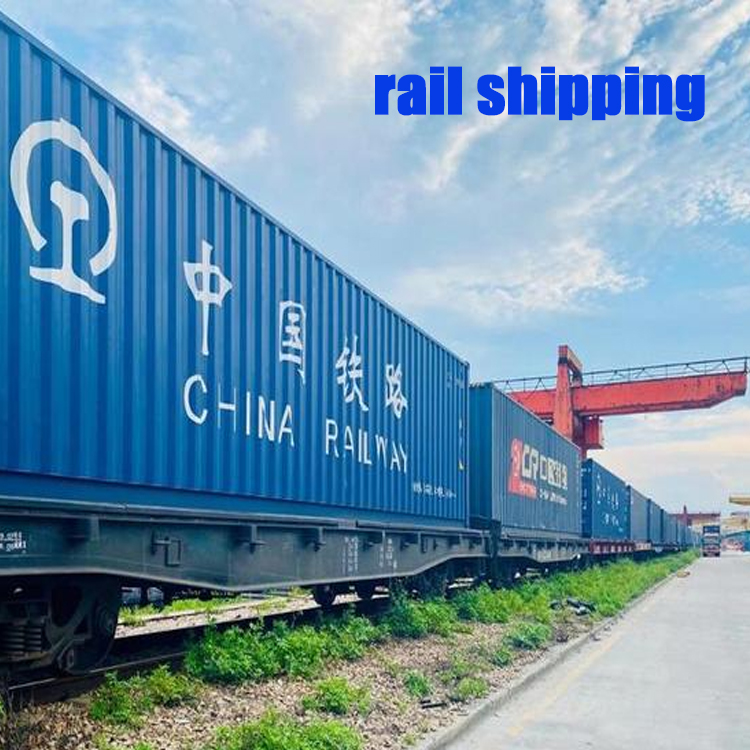
Logistical oversight plays an equally critical role in temperature management. Experienced providers, such as Speed International logistics Co.,Ltd, integrate warehousing, domestic trucking, customs clearance, and last-mile delivery into a single cohesive workflow. Having established credentials like the NVOCC and Aviation Class I Cargo certifications ensures that administrative processing at border crossings is executed efficiently, avoiding prolonged stops that could compromise container power systems.
Practical application cases highlight this operational necessity. For instance, in an American cosmetics import case involving 1,000 kg of delicate makeup, logistics teams successfully navigated ingredient declarations and customs paperwork, ensuring steady transit without any physical leaks or thermal damage. Similarly, during heavy machinery export projects to the UAE, tailored packaging designs and professional handling protected industrial equipment from external rust and physical impacts.
Data/Solution Comparison
Selecting the correct logistics model depends on transit time constraints, budget boundaries, and cargo sensitivity. The table below outlines the differences between primary international transport modes:
| Transportation Mode | Delivery Time | Minimum Order Quantity (MOQ) | Primary Export Markets | Thermal Control Capabilities |
|---|---|---|---|---|
| Railway Freight | 25-30 days | 1 CBM | Europe, Central Asia | High (Reefer containers, passive thermal insulation) |
| Air Freight | 3-7 days | 100 kg | Global (USA, Europe, Middle East) | Excellent (Rapid transit, specialized cold-chain boxes) |
| Sea Freight | 25-30 days | 1 CBM | Global (USA, Europe, South America) | High (Marine reefers with continuous electrical monitoring) |
Frequently Asked Questions (FAQ)
Can I ship small volumes of temperature-sensitive cargo via railway?
Yes. Small volumes can be accommodated using Less than Container Load (LCL) consolidation services with a minimum order quantity (MOQ) of 1 CBM, where goods are secured inside thermal packaging before loading.
What happens if the train experiences customs delays?
Experienced freight forwarders mitigate this risk by securing comprehensive documentation before departure. Reefer containers are monitored, and backup power sources are utilized to maintain internal temperatures during administrative checks.
What payment methods are supported for securing railway cargo space?
Standard secure payment channels are accepted for international logistics services, including T/T, VISA, PayPal, MasterCard, and MoneyGram.
Final Conclusion & Recommendations
Transporting temperature-sensitive goods via railway cargo lines is an efficient and cost-effective method for mid-to-long-range shipping between Europe and Central Asia. For successful delivery, cargo owners must employ specialized reefers, enforce rigorous container loading protocols, and partner with logistics providers capable of managing customs clearance without delay. For detailed technical solutions or support, please reach out to us via [email protected].
About Us
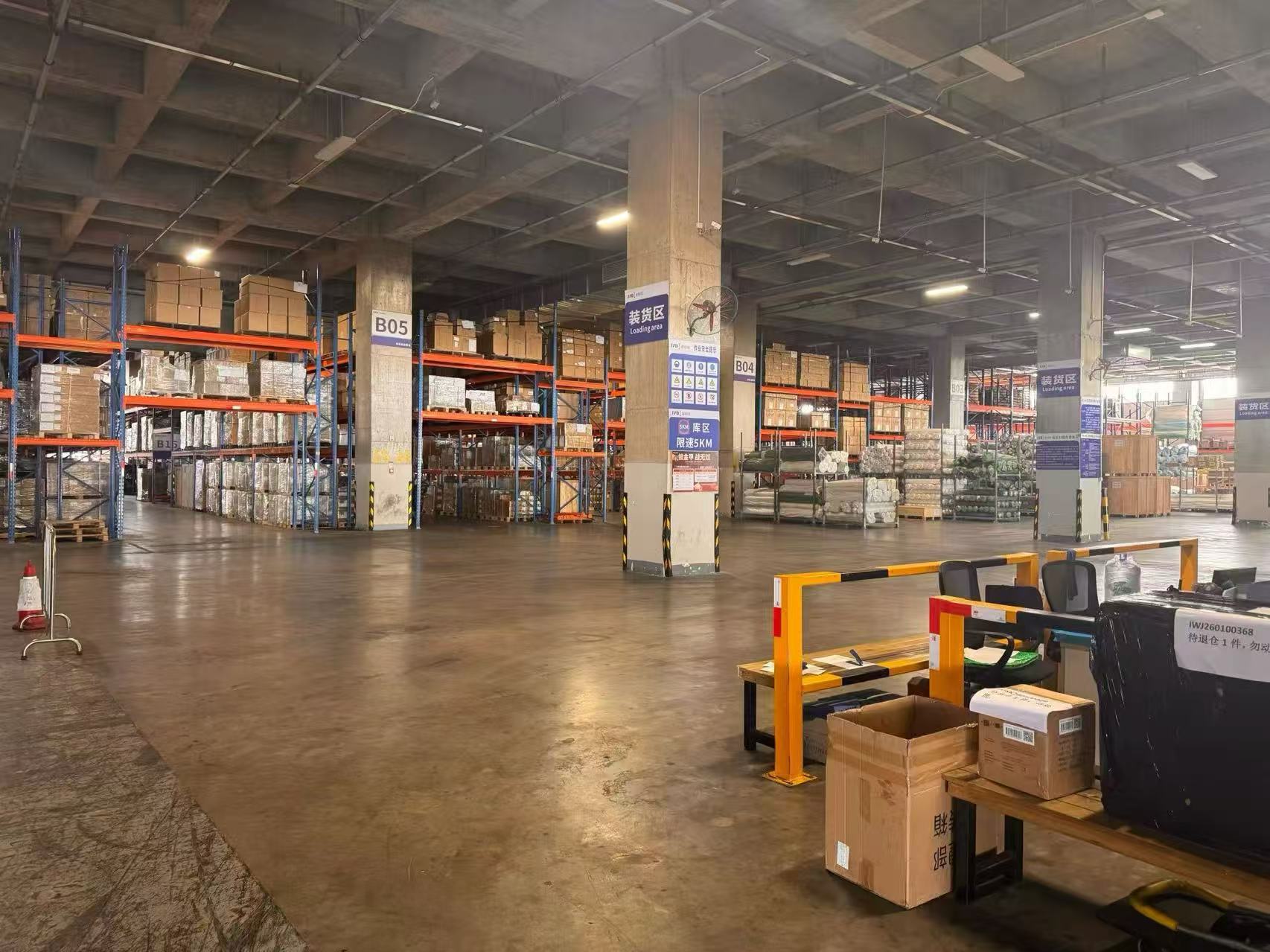
Speed International logistics Co.,Ltd is an A-class freight forwarder established in 2011. Operating a primary warehouse of 5,000 square meters in Shenzhen, China, the company relies on a dedicated team of 80 employees to provide 24-hour professional online services. They deliver comprehensive one-stop logistics solutions covering air, sea, railway, and express shipping, backed by accredited NVOCC and Aviation Class I Cargo certifications to support global supply chains.

Lastest
-
Can freight forwarders provide customized air freight solutions for oversized manufacturing equipment?
2026-07-29 -
What is the minimum chargeable volume for LCL sea freight, and how can I negotiate better rates for bulk?
2026-07-29 -
What is the standard procedure for claiming compensation if my goods are damaged during an air freight transit?
2026-07-29 -
Are sea freight rates expected to drop next quarter, or should I look into alternative shipping methods now?
2026-07-29 -
What specific customs documents do I need to prepare to ensure smooth border crossings for railway freight?
2026-07-29
SUBSCRIBE
INQUIRY