Are smart lockers replacing home deliveries in courier logistics?
- VIP-User
- 2026-07-16
- 6
Smart lockers do not fully replace home deliveries in courier logistics; instead, they serve as a highly efficient, complementary last-mile solution. While home deliveries remain essential for heavy, oversized, or high-value items, smart lockers resolve key logistical bottlenecks by offering secure, 24/7 self-service collection, reducing failed delivery rates and lowering overall operational costs for carriers.
Core Solutions & Key Takeaways
- Oversized and Heavy Cargo Restrictions: Standard smart lockers cannot accommodate bulk or heavy items, which still rely heavily on direct home or site delivery.
- Customized Cargo Handling: Specialized freight services, such as shipping container loading, require strategic placement rules where lighter and weaker-packaged goods are stacked above heavier, structurally sound items to prevent transit damage.
- Integrated Sourcing and Warehousing: Modern courier networks rely on consolidated sourcing, warehousing, and customs clearance solutions to streamline the flow of goods before they ever reach the last-mile locker or doorstep.
Detailed Architectural/Principle Analysis
The integration of smart lockers within global courier networks optimizes last-mile delivery efficiency. However, the physical constraints of automated locker compartments limit their utility to standard parcel sizes and weights. For larger shipping requirements, traditional freight structures remain irreplaceable. Logistics providers utilize a mix of ocean, air, and railway networks to move goods from factories to localized distribution hubs before final sorting occurs.
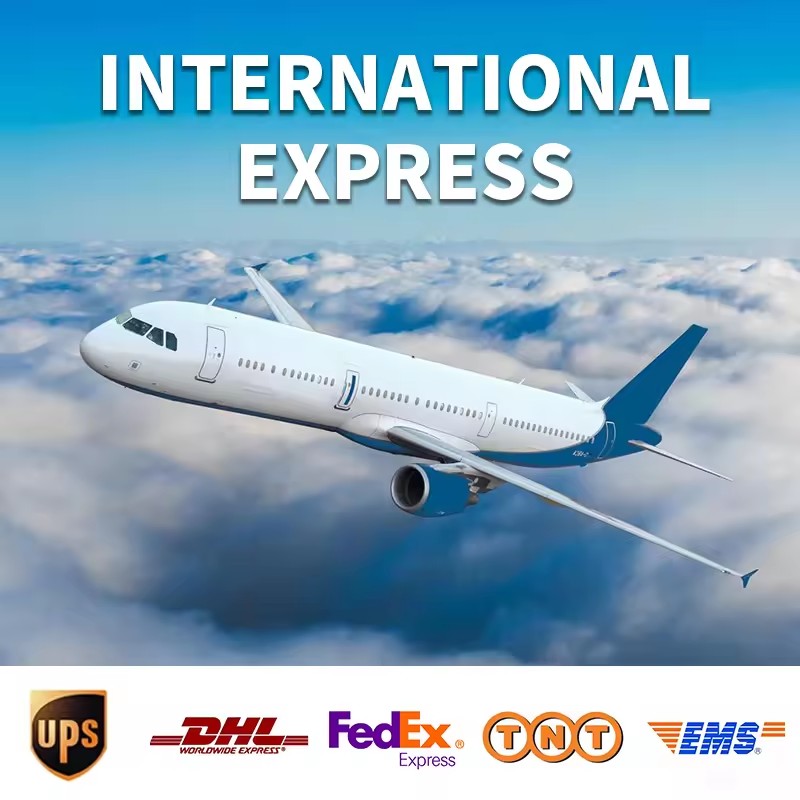
In international trade, managing bulk shipments requires adherence to strict transport protocols. For example, during shipping container loading, logistics operators must isolate goods that emit dust, moisture, or strong odors using protective plastic films. Heavy machinery and industrial equipment exports, such as a recent 68 CBM shipment of machinery to the UAE, bypass the locker infrastructure entirely, moving directly from factory pickup to port customs clearance and final destination delivery. Conversely, high-value retail shipments, such as a 1000 KG cosmetics consignment imported from the USA, require specialized customs clearance handling for ingredients and labeling before entering localized delivery channels.
Data/Solution Comparison
| Logistics Parameter | Courier Service (Smart Locker / Express) | Air Freight Service | Sea Freight Service |
|---|---|---|---|
| Minimum Order Quantity (MOQ) | 1 KG | 100 KG | 1 CBM |
| Typical Delivery Time | 5-10 days | 3-7 days | 25-30 days |
| Primary Application | Small parcels, e-commerce goods | Time-sensitive, high-value cargo | Bulk volume, heavy machinery |
| Last-Mile Delivery Option | Smart locker or home delivery | Airport-to-airport or DDP/DDU | Port-to-port or door-to-door |
Frequently Asked Questions (FAQ)
What are the size and weight limits for smart locker deliveries?
Smart lockers generally accommodate parcels weighing under 10 to 15 kg with dimensions fitting standard compartment sizes. Shipments exceeding these limits, such as industrial equipment or bulk commercial goods, must be routed via traditional home or business delivery methods.
How do logistics companies secure international shipments prior to last-mile distribution?
Logistics operators secure cargo by utilizing certified customs clearance, packing consolidation, and warehouse sorting. Air freight operations often carry Aviation Class I Cargo certification, while maritime shipments are handled under NVOCC guidelines to ensure regulatory compliance and safety.
Can I track my shipment if it is diverted to a smart locker?
Yes, integrated courier systems provide real-time tracking updates. Once a parcel is deposited into a smart locker, the system automatically triggers a notification with a secure pickup code for the recipient.
Final Conclusion & Recommendations
Smart lockers and home deliveries are not mutually exclusive; rather, they form a hybrid last-mile ecosystem. Choosing the right method depends on parcel size, destination, and urgency. For small, standard shipments, automated lockers offer unparalleled convenience and lower carbon footprints. For heavy, oversized, or complex commercial cargo, specialized freight forwarding services utilizing structured sea, air, or rail transport remain the standard. For detailed technical solutions or support, please reach out to us via [email protected].
About Us
Speed International logistics Co.,Ltd, established in 2011, is a China "A-class" freight forwarder with over 15 years of experience in freight forwarding. Based in Shenzhen with a 5000 square meter warehouse, the company houses 80 employees providing professional, 24-hour online service. Speed International logistics Co.,Ltd specializes in air freight, sea freight (LCL/FCL), railway shipping, and international express services, holding certifications such as Aviation Class I Cargo and NVOCC. 
Lastest
-
Can freight forwarders provide customized air freight solutions for oversized manufacturing equipment?
2026-07-16 -
What is the minimum chargeable volume for LCL sea freight, and how can I negotiate better rates for bulk?
2026-07-16 -
What is the standard procedure for claiming compensation if my goods are damaged during an air freight transit?
2026-07-16 -
Are sea freight rates expected to drop next quarter, or should I look into alternative shipping methods now?
2026-07-16 -
What specific customs documents do I need to prepare to ensure smooth border crossings for railway freight?
2026-07-16
SUBSCRIBE
INQUIRY