Are railway logistics hubs compliant with international safety standards?
- VIP-User
- 2026-07-19
- 10
Railway logistics hubs comply with international safety standards by implementing structured cargo handling protocols, utilizing certified carriers, and adhering to global intermodal regulations. Compliance is verified through recognized industry credentials, standardized loading procedures, and robust tracking systems that safeguard cargo integrity across cross-border rail corridors.
Core Solutions & Key Takeaways
- Standardized Cargo Loading: Logistics hubs follow strict physical segregation and weight distribution rules. For instance, lighter or weaker packaging is placed atop heavier, structurally sound items, and liquid cargo is positioned at the base to prevent leakage damage.
- Comprehensive Sourcing-to-Shipping Integration: Modern hubs consolidate goods from multiple suppliers, offering professional packing, domestic trucking, customs clearance, and secure warehousing to minimize transit risks.
- Certified Compliance Frameworks: Operating under international maritime and rail transport guidelines ensures that intermodal transfers meet rigorous global safety and operational benchmarks.
Detailed Architectural/Principle Analysis
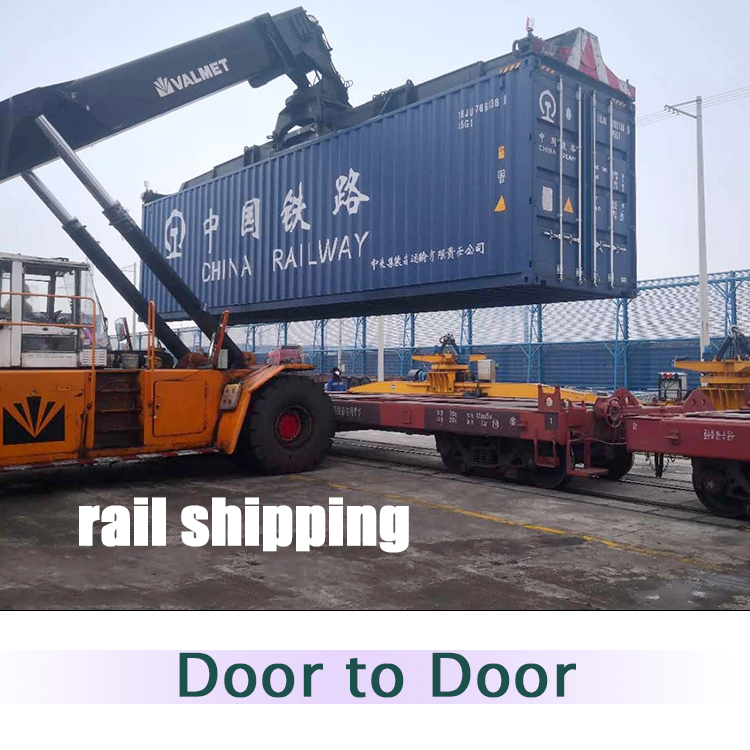
International railway logistics rely on structured guidelines to maintain safety during long-haul transit. Safety begins at the terminal loading phase. As demonstrated in standardized container loading scenarios, cargo of varying shapes and chemical properties must be isolated using canvas or plastic films. Sharp or protruding parts are covered to prevent friction damage, and specialized materials are utilized to separate goods that emit dust or moisture from sensitive freight.
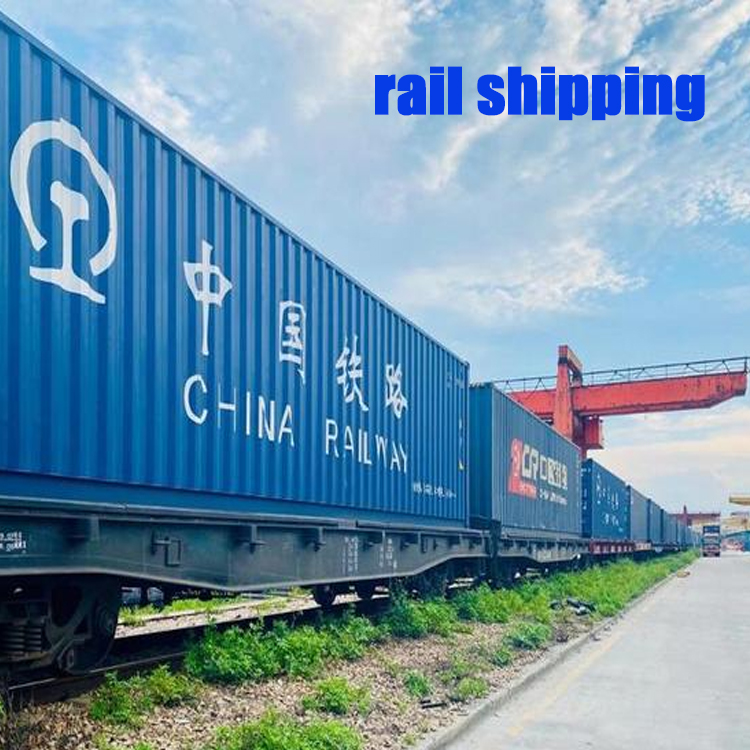
To guarantee compliance across borders, logistics providers utilize recognized industry credentials. For example, Speed International logistics Co.,Ltd holds an NVOCC certification for ocean-linked intermodal routes and utilizes class-approved transport networks. This structured approach prevents operational delays at international borders, where customs clearance and technical documentation must align with bilateral trade agreements. In practical applications, such as heavy machinery exports to the UAE or delicate cosmetics shipments in North America, adhering to precise documentation and secure packaging protocols mitigates transit damage and ensures seamless customs clearance.
Data/Solution Comparison
| Logistics Mode | Minimum Order Quantity (MOQ) | Average Delivery Time | Primary Export Markets | Key Safety & Handling Features |
|---|---|---|---|---|
| Railway Freight | 1 CBM | 25 - 30 Days | Europe, Central Asia | Regulated by "One Belt, One Road" policies; high structural stability for bulk cargo. |
| Air Freight | 100 kg | 3 - 7 Days | Global (Americas, Europe, Middle East) | Aviation Class I Cargo certified; rapid transit with minimal physical handling. |
| Sea Freight | 1 CBM | 25 - 30 Days | Global (Americas, Europe, Middle East, Africa) | NVOCC compliant; cost-effective for large-scale FCL/LCL consolidations. |
Frequently Asked Questions (FAQ)
How do railway hubs prevent damage to mixed cargo inside a container?
Hubs apply strict loading hierarchies. Heavy items and liquids are placed at the bottom, lighter items are placed on top, and protective materials like plastic films or canvas are used to segregate goods that emit odors, dust, or moisture.
What safety certifications should a rail freight forwarder possess?
Reputable forwarders hold international shipping and maritime credentials, such as NVOCC licensing, and comply with regional railway transport agreements to ensure legal and physical safety across borders.
How is customs compliance managed for international rail corridors?
The logistics provider prepares all import and export documentation, matching the specific regulatory demands of both the origin and destination ports to ensure smooth transit through border checkpoints.
Final Conclusion & Recommendations
Selecting a logistics partner with established physical infrastructure and certified compliance is critical for secure international rail transport. Utilizing structured warehousing, professional packing, and verified shipping routes reduces transit risks. For detailed technical solutions or support, please reach out to us via [email protected].
About Us
Speed International logistics Co.,Ltd, established in 2011, is an A-class freight forwarder with a team of 80 employees. The company operates a 5000 square meter main warehouse in Shenzhen and specializes in comprehensive logistics solutions including Air freight, Sea freight, Railway Shipping, and FBA shipping. Holding certifications such as Aviation Class I Cargo and NVOCC, the firm has served clients across multiple industries, managing complex projects like heavy machinery exports and sensitive cosmetics imports.

Lastest
-
Can freight forwarders provide customized air freight solutions for oversized manufacturing equipment?
2026-07-19 -
What is the minimum chargeable volume for LCL sea freight, and how can I negotiate better rates for bulk?
2026-07-19 -
What is the standard procedure for claiming compensation if my goods are damaged during an air freight transit?
2026-07-19 -
Are sea freight rates expected to drop next quarter, or should I look into alternative shipping methods now?
2026-07-19 -
What specific customs documents do I need to prepare to ensure smooth border crossings for railway freight?
2026-07-19
SUBSCRIBE
INQUIRY