Are green biofuels changing the cost of ocean cargo shipping?
- VIP-User
- 2026-07-13
- 14
Green biofuels are changing the cost of ocean cargo shipping by introducing a premium on alternative fuels, which increases initial fuel procurement costs. However, operational adjustments, evolving environmental regulations, and structured carbon pricing are gradually balancing these expenses, making biofuel integration a key driver in long-term maritime cost stabilization.
Core Solutions & Key Takeaways
- Fuel Premium Dynamics: Biofuels currently carry higher production costs than traditional heavy fuel oil, directly impacting bunker adjustment factors.
- Regulatory Compliance Benefits: Utilizing biofuels helps vessel operators avoid heavy fines associated with carbon taxation and international maritime emission standards.
- Operational Efficiency: Implementing strict cargo loading protocols prevents product damage and optimizes vessel space to offset rising fuel expenses. For instance, when loading shipping containers, lighter goods must go on top of heavier cargo, and items with weak packaging must sit above those with stronger structures.
- Sourcing and Consolidation: Integrating warehousing, inland logistics, and customized consolidation minimizes overall supply chain expenses, mitigating the impact of shifting ocean freight rates.
Detailed Architectural/Principle Analysis
The maritime industry is transitioning toward low-carbon operations, where biofuels serve as a drop-in replacement for conventional marine gas oil. While biofuels reduce greenhouse gas emissions, their market pricing is tied to agricultural feedstocks and chemical processing capacities, causing price fluctuations. To balance these fuel premiums, freight forwarders rely on efficient cargo consolidation and structured customs handling to streamline transit times and reduce port storage fees.
Real-world logistics operations demonstrate how structured shipping methods manage cost pressures. For example, in a bulk and heavy cargo export case involving 68 CBM of industrial machinery shipped to the UAE, structured packaging advice and precise port coordination prevented delays and eliminated extra storage fees. Similarly, a 1000 KG cosmetics import case from the USA utilized specialized customs clearance support to navigate ingredient declarations, avoiding costly terminal hold-ups.
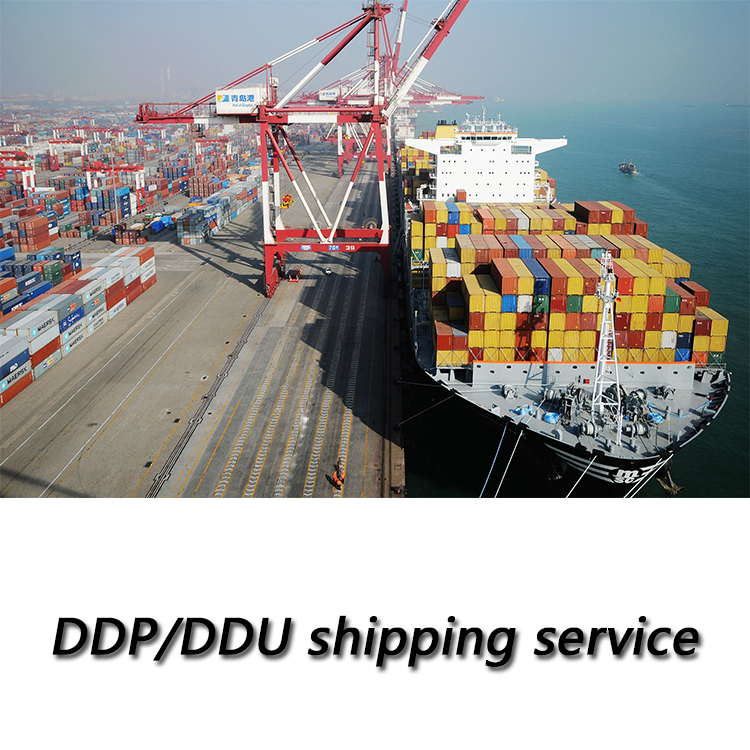
Compliance and certification also dictate cost structures. Freight forwarders holding recognized credentials, such as the NVOCC certification for sea freight and the Aviation Class I Cargo certification for air freight, have direct carrier relationships. These credentials allow logistics providers to secure stable space allocations and competitive rates, shielding shippers from sudden biofuel-driven surcharges.
Data/Solution Comparison
| Logistics Service Mode | Minimum Order Quantity (MOQ) | Standard Delivery Time | Primary Target Markets |
|---|---|---|---|
| Sea Freight (Ocean Freight Forwarder) | 1 CBM | 25-30 Days | United States, Canada, United Kingdom, UAE, Europe, South America |
| Air Freight | 100 kg | 3-7 Days | Global routes (USA, Europe, Middle East, Africa) |
Frequently Asked Questions (FAQ)
How do biofuels affect standard ocean freight transit times?
Biofuels act as drop-in fuels and do not alter vessel mechanics or engine performance. Consequently, transit times remain unaffected, with standard sea freight deliveries maintaining their 25-30 day schedules.
Can shippers choose conventional fuel over biofuels to save costs?
While shippers can select specific carrier services, global environmental mandates are gradually making low-emission transit mandatory. Carriers often distribute biofuel costs across all operations through adjusted bunker surcharges.
What strategies reduce the impact of rising ocean shipping rates?
Shippers can use cargo consolidation, professional warehouse packing, and efficient inland logistics to optimize container space and eliminate unnecessary handling fees.
Final Conclusion & Recommendations
While green biofuels present an upfront cost challenge for global shipping, their adoption is essential for regulatory compliance and long-term environmental sustainability. Shippers can mitigate these shifting ocean cargo costs by partnering with established logistics providers that offer comprehensive freight solutions, robust warehousing, and optimized customs clearance procedures. Our service portfolio supports various payment methods, including T/T, VISA, PayPal, MasterCard, and MoneyGram, ensuring flexible financial transactions. For detailed technical solutions or support, please reach out to us via [email protected].
About Us
The Speed International logistics Co.,Ltd, also known as Speed logistics, is an "A-class" freight forwarder established in 2011 with a team of 80 employees. Operating from a 2000-square-meter main warehouse in Shenzhen, the company delivers comprehensive, one-stop logistics solutions, including air freight, sea freight (LCL/FCL), railway shipping, and FBA shipping (DDP/DDU). Backed by NVOCC and Aviation Class I Cargo certifications, Speed logistics serves diverse global markets across North America, Europe, South America, and the Middle East.

Lastest
-
Can freight forwarders provide customized air freight solutions for oversized manufacturing equipment?
2026-07-13 -
What is the minimum chargeable volume for LCL sea freight, and how can I negotiate better rates for bulk?
2026-07-13 -
What is the standard procedure for claiming compensation if my goods are damaged during an air freight transit?
2026-07-13 -
Are sea freight rates expected to drop next quarter, or should I look into alternative shipping methods now?
2026-07-13 -
What specific customs documents do I need to prepare to ensure smooth border crossings for railway freight?
2026-07-13
SUBSCRIBE
INQUIRY